

NZ's statistics on deaths and illness at work are sobering -- yet, health and safety training courses are under threat
- Written by: Joanne Crawford, Worksafe New Zealand Chair in Health and Safety, Te Herenga Waka — Victoria University of Wellington
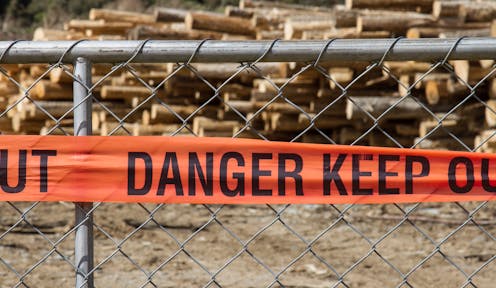
New Zealand has an abysmal record of work-related deaths. An estimated 10,000 people – men, women and sometimes children – have died from occupational ill health or workplace fatalities since 2010. A further 420,000 people were injured at work.
Yet the country’s only postgraduate course in work health and safety is under review as part of a wider cost-cutting exercise at universities. Currently, universities are considering a NZ$128 million government bailout, but the future of this educational programme remains uncertain.
The Workplace Health and Safety programme at Te Herenga Waka Victoria University of Wellington was set up following the 2010 Pike River disaster, in which 29 miners lost their lives in a mine shaft explosion.
An independent taskforce recommended a “comprehensive embedding of workplace health and safety into the education and training system at all levels to support upskilling of the workforce generally.”
The disaster also led to changes in legislation, with the introduction of the Health and Safety at Work Act in 2015. This introduced a risk management framework and established a workplace regulator, WorkSafe New Zealand, and the mandate to improve learning and development in New Zealand.
Cost to economy and society
The total cost to the economy of work-related ill health and deaths was NZ$6.725 billion between 2015, when the new act came into force, and 2022. This does not include personal costs to whānau and societal costs from such harm.
International Labour Organisation (ILO) data from 2022 allow comparison between countries that use a risk-management framework. According to this, almost three times as many people die at work in New Zealand than in the UK.
These data highlight that the UK, which has been working within a risk-management framework since 1992, has an only slightly higher rate of health and safety inspectors but far lower rates of injury and fatality at work.
Inspection and investigation have a place in New Zealand’s work health and safety system. But there should be no need for more inspections because the law is clear about the need for businesses to identify and manage risks. If a business is unsure how best to do this, expert help is available and essential, as it is for financial or legal advice.
Designing safer workplaces
In 2022, the ILO updated the fundamental principles under its 1998 Declaration on Fundamental Principles and Rights at Work to include “the right to a safe and healthy working environment”. New Zealand is a signatory to this as well as four additional fundamental principles, including freedom of association and the right to collective bargaining, the elimination of forced labour, the effective abolition of child labour and the elimination of discrimination at work.
This means we need to be able to design workplaces that are safe and protect the health of the workforce. To do this we need trained professionals who know how best to do that – and the potential loss of a postgraduate programme is distressing.
Read more: Killed in the line of work duties: we need to fix dangerous loopholes in health and safety laws
The 2019 Health and Safety Association of New Zealand report highlights the need for a further 2,000 professionals in health and safety by 2030. The potential removal of this programme would limit opportunities for training and growing the country’s own workforce. It would result in people studying overseas, without cultural context, or being recruited from overseas, lacking cultural knowledge.
In a country where Māori and Pasifika workers face a higher risk of injury and death at work, having that context is essential in effecting change.
Education and training in health and safety are available across New Zealand in other institutes, including internships, bachelor’s degrees and graduate diplomas.
But the postgraduate programme has been designed around international standards to equip health and safety practitioners with required capability in risk identification and risk management, as well as essential skills in management, communication and negotiation.
New Zealand’s health and safety practitioners often have to negotiate with their senior leaders to make changes to reduce identified risks. The role of the practitioner within organisations is also to embed health and safety within day-to-day operations and to get buy-in from workers for healthier and safer ways of working.
If New Zealand wants to improve its health and safety record, taking away education opportunities is not the way to do this.
Authors: Joanne Crawford, Worksafe New Zealand Chair in Health and Safety, Te Herenga Waka — Victoria University of Wellington


















