

Hachette has withdrawn a policeman's memoir due to accuracy concerns. Should publishers do more fact checking?
- Written by: Katherine Day, Lecturer, Publishing, The University of Melbourne
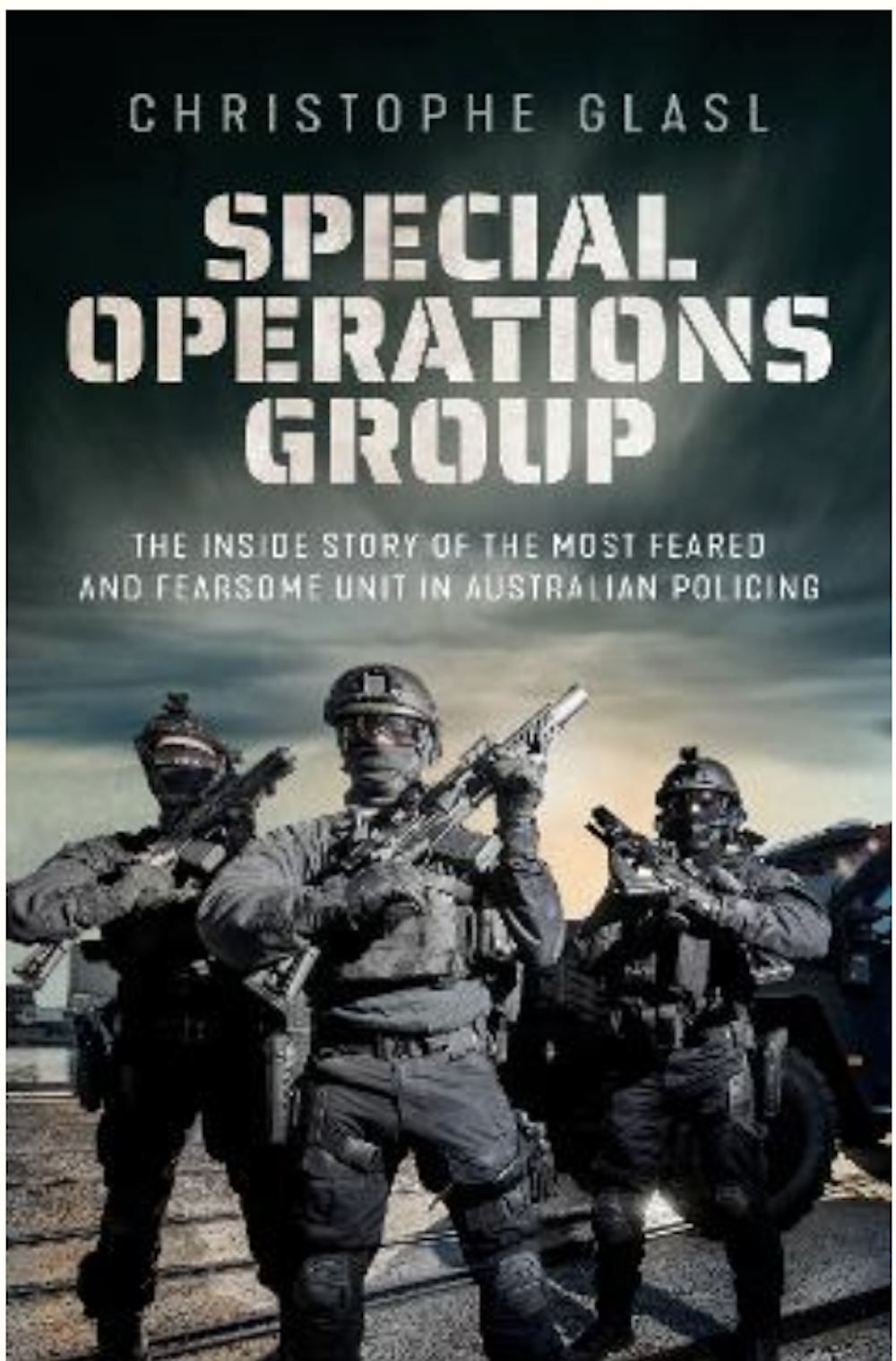
Australian publisher Hachette has withdrawn from publication the memoir of a retired police officer, after concerns were raised about its accuracy. Christophe Glasl spent 16 years in Victoria Police before writing his tell-all memoir, Special Operations Group, named after the elite force he was a member of for four years.
In one chapter, Glasl writes of his involvement in the 1996 Port Arthur massacre. But Victoria Police have said he was not involved in the response to Port Arthur – nor was he part of the Special Operations Group at the time.
The case raises a number of questions: chiefly, what kind of fact-checking processes, if any, do publishers use when commissioning and editing non-fiction books, especially memoirs?
Victoria Police’s spokesperson told The Age the only contact it had with Hachette was in April, when they requested permission to use a photograph in the book. “The publisher did not request any fact-checking.”
Hachette said in a statement: “It has come to our attention that some of the content of this book is inaccurate. We have taken the decision to withdraw this book from sale immediately while we undertake further review.”
We don’t know at this stage what fact-checking was carried out by Hachette in relation to the Glasl book. But it appears it was read, contracted, edited and printed without key questions being asked about crucial claims made regarding his career.
Sadly, this case is not a one-off. In 2003 writer Norma Khouri published Forbidden Love, an account of “honour” killings in Jordan in the Middle East, explored through the murder of her best friend. Khouri was later exposed by journalist Malcom Knox as a fraud: the book was an invention.
More recently, Belle Gibson’s The Whole Pantry, supposedly containing recipes that had cured Gibson of brain cancer, was pulped after an in-house publicity pre-interview (now available online) revealed gaps in the author’s story, including that she didn’t have cancer. The resulting investigation revealed a bunch of lies. The publisher, Penguin Random House, was ordered to pay a fine of $30,000 by Consumer Affairs Victoria.
Read more: The 'hole' in the pantry story: should Penguin have validated Belle Gibson’s cancer claims?
Book publishing doesn’t have the same intensive fact-checking culture as journalism – partly due to the resources it would involve. But it has its own measures.
The first element is trust, Andrew Wilkins, who has been a book publisher for over 25 years and was editor of industry publication Books & Publishing, told The Conversation. He looks for authors with “credentials” – for example, he highly values journalists who’ve worked with a reputable publication, like a state or national newspaper.
If no one in the publishing house has expertise in the subject matter, he’d get a knowledgable reader to assess for red flags. And he might get the manuscript legalled, if there were legal or security concerns – though this is an expensive process and is not typical. “A good lawyer would flag some of the risks and key issues that need checking.”
Copy editing, or checking the work on a sentence level, is another layer of fact-checking, which involves “looking for inconsistencies”: including dates that don’t match, timelines, and that the places mentioned in the book exist. “But if it’s a personal recollection of what happened, without an obvious way of checking with a secondary source, you can’t verify everything,” Wilkins says.
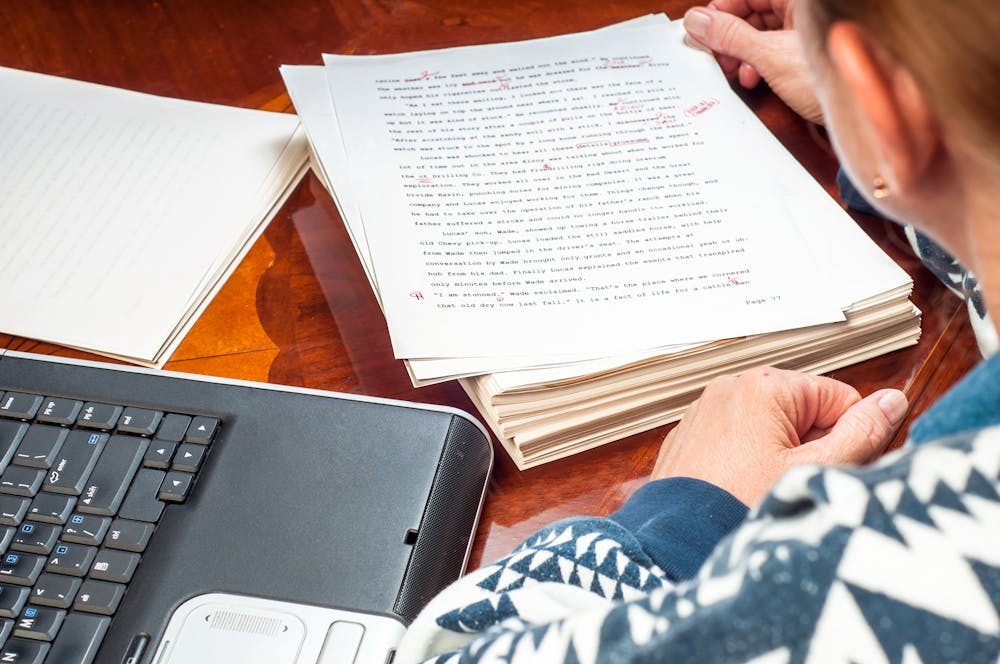 Copy editing is another layer of fact checking.
Shutterstock
Copy editing is another layer of fact checking.
Shutterstock
And the final step is that a standard publishing contract requires the author to confirm they’ve verified the facts within it to the best of their ability, making them responsible for doing so. Even post-contract, publishers can insist on the work being assessed by a legal professional if contentious.
If the author refuses to make the prescribed changes, the publisher can always rely on the “warrants and indemnities” clause that exists in most contracts. These clauses ask the author to confirm the work is true (if it is a memoir, for example) and that it is the author’s own work. It also typically indemnifies the publisher against all losses, damages, interest and costs (including reasonable legal fees). Ownership and responsibility, therefore, lies with the author.
Journalists, by contrast, are required under the media code of ethics to source their allegations and confirm the integrity of their sources. They must make a reasonable attempt to seek a response from the person being reported on and verify the facts in their reports.
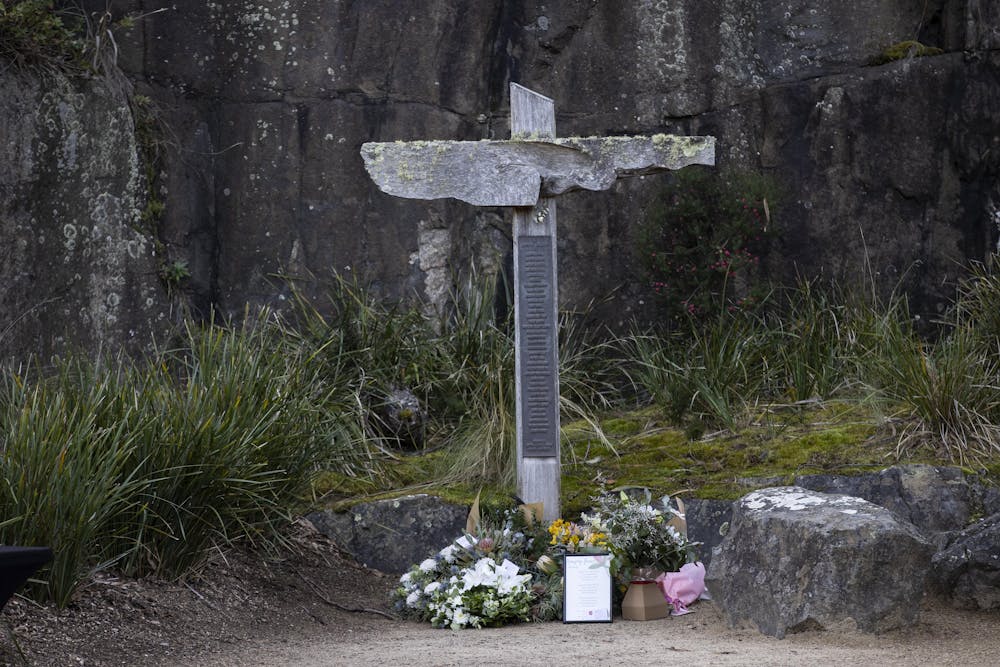 A memorial at the Port Arthur Historic Site to the victims of the massacre.
Luke Bowden/AAP
A memorial at the Port Arthur Historic Site to the victims of the massacre.
Luke Bowden/AAP
Could an industry body look into guidelines for how publishers can better fact-check personal nonfiction stories – in a market that is hungry for them?
“It’s interesting to consider a centralised fact-checking service in partnership with a university, such as the RMIT/ABC Fact Check project,” Tim Coronel, general manager of the Small Press Network and a publishing academic at the University of Melbourne, told The Conversation. “But in practical terms that would be very difficult to do, with so many different publishers involved and the sheer length of a book manuscript compared to a news story.”
Authors: Katherine Day, Lecturer, Publishing, The University of Melbourne


















