

Talking about eating less red and processed meat provokes strong feelings. That's why this new evidence-based report is welcome
- Written by Katherine Sievert, Research Fellow in Food Systems, Deakin University
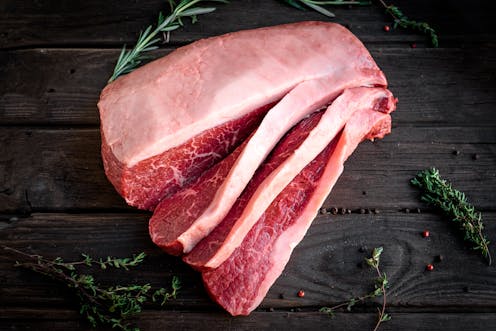
Emotions can run high when the topic of how much red and processed meat to eat is raised. For many of us, eating these foods is culturally important – often tied to specific dishes and traditions.
That’s why this week’s landmark new report from the World Health Organization (WHO) is welcome. The report focuses explicitly on what the science says about how red and processed meat affects our health – and the health of the ecosystems on which we depend.
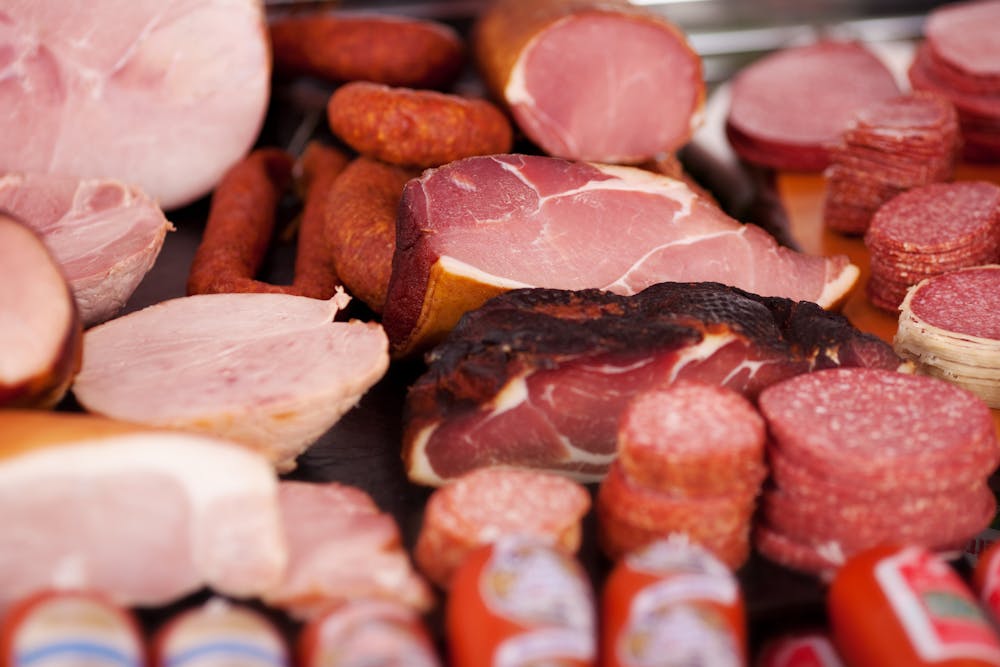
What does it say? Moderation is important. In high-income countries, we tend to eat too much red meat, which boosts the risk of some cancers and heart disease. We should treat processed meat, such as salami, with even greater caution, as the link to cancer risk is even clearer.
If you want a quick take-home, it’s this: eat less red meat, avoid processed meat and choose meat farmed under better conditions. But this is not always easy or affordable for everyone. So most importantly, we need changes to the policies that affect how our food systems operate so that our well-being and the health of the planet are prioritised.
What does the evidence say about red meat and our health?
Red meat is a rich source of many important nutrients, including iron, B-vitamins and all essential amino acids. These are compounds essential for human growth, development and good health.
Importantly, these nutrients are not exclusively found in red meat. Beans and legumes are also high in iron and B-vitamins, though in less easily absorbed form. Many cultures have developed healthy diets without an over-reliance on red meat by including beans and legumes.
In populations that experience food insecurity, red meat can be an important source of nutrition. In these contexts, it doesn’t make sense to advise people to avoid red meat.
But in other parts of the world, red meat intake is too high. Australians are some of the world’s biggest red meat eaters, which puts us at higher risk of chronic diseases such as bowel cancer and cardiovascular disease. Both of these are amongst Australia’s top killers.
Processed and ultra-processed meats such as ham and chicken nuggets come with even greater health risks, especially when consumed in excess. The WHO considers processed meat a Group 1 carcinogen. That means there’s strong evidence linking consumption to cancer risk.
The way we produce red and processed meat comes with a host of other health issues, such as antimicrobial resistance due to overuse of antibiotics, as well as the risk of new zoonotic animal-to-human diseases. Intensive farming done on industrial scales poses particular risks.
What does the evidence tell us about red meat and the environment?
Ruminant livestock need grass, which often means farmers chop down the trees or shrubs previously there, making pasture inhospitable for native species. In feedlots, these animals are often fed on grains or soy. Producing the volumes needed - of both animal feed and livestock - means felling more forests. That’s why we can clearly link increased livestock farming to damaged biodiversity.
There are issues on the climate front, too. Livestock production accounts for up to 78% of all greenhouse gas emissions from agriculture. Of this, cattle farming contributes 80%.
In Australia, livestock farming is generally less intensive compared to the United States. Even so, deforestation to make room for cattle is still a major issue in Australia. In the last five years, 13,500 hectares have been cleared for beef cattle operations in Queensland alone.
It doesn’t have to be so destructive. Mixed farming systems, where cattle graze on land covered by trees and native grasses, is less destructive.
So are farming methods built around agro-ecological principles where the health of the land and fairness are prioritised.
As global heating escalates, it will pose increasing challenges for livestock farmers (and livestock animals). Increases in extreme weather have major implications for animal welfare, farmer livelihoods and food security.
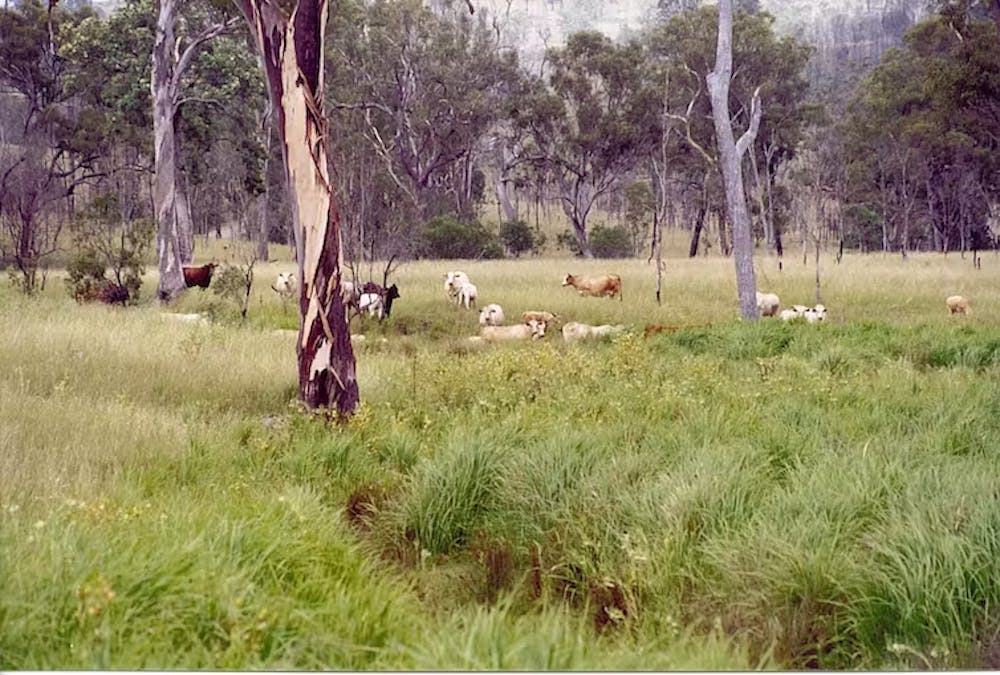 Grassy eucalypt woodlands used for cattle farming in subtropical Queensland.
Tara Martin, CC BY
Grassy eucalypt woodlands used for cattle farming in subtropical Queensland.
Tara Martin, CC BY
What does the evidence say about industrial farming?
Many farmers care greatly about the welfare of their animals and the environment.
But meat production in many parts of the world is now dominated by large corporations. To maximise production, these companies rely on intensive farming techniques such as feedlots and extensive use of antibiotics. These techniques are spreading as low- and middle-income countries such as China and Brazil gain more appetite for meat.
Industrial scale farming comes with real costs. If we can make meat production better, we will lower the risk of antimicrobial resistance and zoonotic diseases, reduce greenhouse gas emissions and biodiversity loss, and improve the lives of workers and the animals themselves.
Read more: Organic, grass fed and hormone-free: does this make red meat any healthier?
Knowing this, what should we do?
If we leave the situation as it is, intensive farming and red and processed meat consumption will continue to increase.
But this is not sustainable. To improve the health of people and the planet we need to change how we produce meat. And we need to consume more diverse diets. These changes have to be sensitive to the local context.
Changing what we eat must involve governments. Just as governments have a role in encouraging food manufacturers to avoid carcinogens or dangerous chemical additives, they have a role in promoting healthy diets from food systems that are sustainable over the long term.
What does that look like? It could be investing in agro-ecological farming practices, tackling corporate concentration of meat production, penalising antibiotic overuse and subsidising healthy options like beans and legumes. Taxing the riskiest meat-based foods, such as heavily processed meat, is another option.
Sensible policy-making may also help shift cultural norms in which meat is so highly valued.
Could we just swap red meat for different meat? It’s not that simple. The majority of chickens are intensively farmed, too, meaning antibiotic resistance remains a risk. Ultra-processed plant-based meats may also pose problems for human health.
A better option is to focus on minimally-processed whole foods (think brown rice, nuts and pulses) and sustainably-produced foods from animals. But we need action from the government to make these options affordable and convenient.
Importantly, the WHO report does not say stop eating red meat – it simply lays out the evidence about what it does to your health. It also points to ways of farming livestock that are less destructive and outlines ways to reduce our habitual consumption.
 Wholefoods, fresh fruit and vegetables and moderate quantities of sustainably produced meat offer a better path for us and for the environment.
Shutterstock
Wholefoods, fresh fruit and vegetables and moderate quantities of sustainably produced meat offer a better path for us and for the environment.
Shutterstock
Read more: Intensive farming is eating up the Australian continent – but there's another way
Authors: Katherine Sievert, Research Fellow in Food Systems, Deakin University

















