

Unique study shows we can train wild predators to hunt alien species they've never seen before
- Written by Finn Cameron Gillies Parker, PhD candidate, University of Sydney
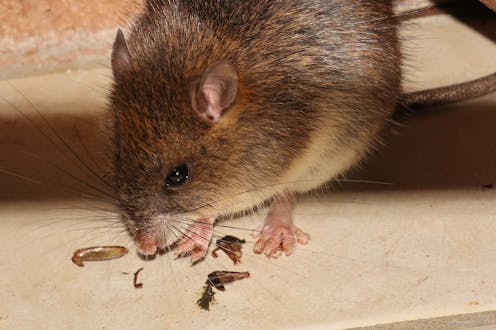
Humans have trained domestic animals for thousands of years, to help with farming, transport, or hunting.
But can we train wild animals to help us in conservation work? Wild animals can be taught to recognise dangerous predators, avoid toxic food, and stay away from people.
However, there are few examples of using classical learning techniques to train free-living animals to act in a way that benefits their ecosystem. In our newly published study in Biological Conservation, we trained wild Australian native predatory rats to recognise an unfamiliar species of cockroach prey. It worked – in a simulated cockroach invasion, this training increased predation rates by the rats.
Read more: Pest plants and animals cost Australia around $25 billion a year – and it will get worse
Growing number of aliens
As humans have engaged in global trade, various species have moved across otherwise impossible-to-cross geographical barriers and into new environments. These species are known as alien species, and their number continues to grow.
Some alien species are relatively harmless in their new environment, and can even positively affect the ecosystem. However, many others have costly and devastating impacts on biodiversity and agriculture.
Not all species that arrive in new environments become established or spread. Even fewer of these species become invasive. Yet we don’t really know why some species are successful and others aren’t, and there are many different theories. One reason some species fail to thrive in new environments is when native species resist, either by eating or simply outcompeting the arrivals.
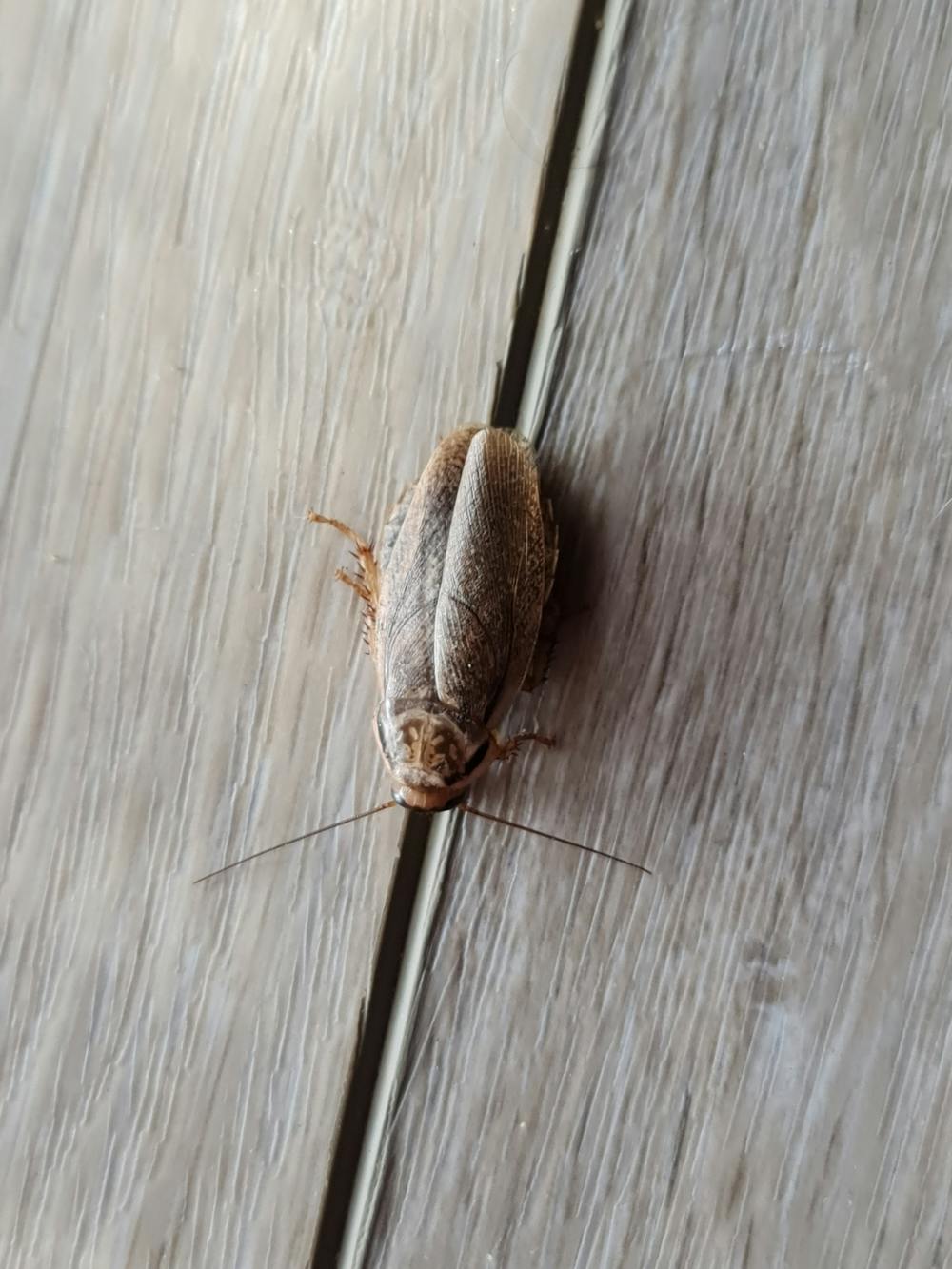
However, native species can only resist against alien species if they can respond appropriately, which they may not do if they’ve never encountered the invaders before (biologists call this being “naive”).
Naivete can occur when two species with no recent evolutionary or ecological history come into contact with one another. Prey naivete is well documented, and the effect of alien predators on native prey that can’t recognise or escape them is significant.
But the role of native predator naivete in biological invasions is less clear. Native predators may not recognise an alien prey species or lack the ability to hunt them effectively. Sometimes predators may simply prefer to hunt their natural prey. When predators are naive, alien prey can establish and spread unchecked.
Read more: 1.7 million foxes, 300 million native animals killed every year: now we know the damage foxes wreak
Speeding up a natural process
Native predators do eventually learn to hunt alien prey, but this process can take a long time when prey aren’t encountered often.
We wanted to know if we could speed up learning by exposing a free-living native predator to the scent of a novel prey species paired with a reward.
We conducted our study on bushland in the outskirts of Sydney, New South Wales, using native bush rats (Rattus fuscipes) as our model predator. Our chosen alien prey species, speckled cockroaches (Nauphoeta cinerea), don’t live in Sydney and surrounds, so rats have no experience with them.
We housed cockroaches in small boxes for days at a time with absorbent paper on the floor to collect odour. When using them as prey, we froze and tethered the cockroaches to tent pegs, to avoid accidental introduction of cockroaches in the area.
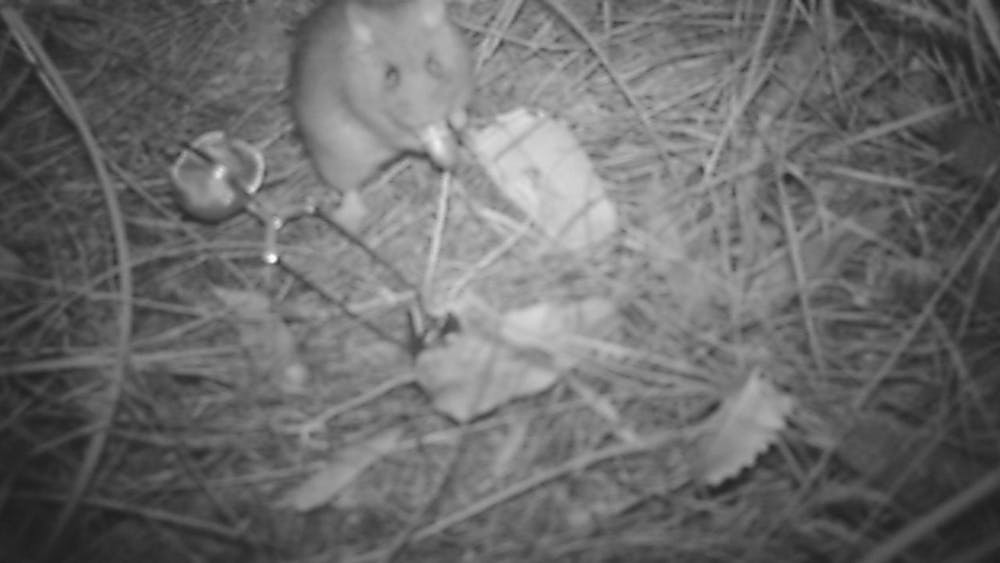 A bush rat caught on camera interacting with the tea strainer and the tethered reward of a dead roach.
Finn Cameron Gillies Parker, Author provided
A bush rat caught on camera interacting with the tea strainer and the tethered reward of a dead roach.
Finn Cameron Gillies Parker, Author provided
We confirmed the presence of bush rats at 24 locations, and randomly allocated 12 as training sites and 12 as non-training (control) sites. At the training sites, we placed a metal tea strainer with the cockroach smell, and three dead cockroaches as a reward. The tea strainer and cockroaches were tethered to a tent peg in the ground so rats couldn’t carry them away.
We used cameras to observe the rat behaviour, and checked the training stations every one to two days. We also moved the stations so the rats wouldn’t just learn to associate the reward with the location.
Trained for an invasion
Immediately after training, we conducted a simulated invasion at all sites. The invasion involved ten dead and tethered cockroach “invaders”. The number of “surviving” (that is, uneaten) cockroaches was recorded each day for five days.
We compared prey survival rates in sites with trained and untrained rats, and found cockroach prey in training sites were 46% more likely to be eaten than prey in non-training sites.
We also found the number of cockroaches eaten during training was a significant predictor for how many were eaten on the first night of the “invasion”.
We also wanted to ensure we had not just attracted more rats to training sites during the training process. To do this, immediately after the invasion we used cameras to compare rat visits to all sites using a peanut oil attractant. There was no difference between training and non-training sites.
Our study is the first to train free-living predators to hunt species they’ve never seen before. It shows the potential for training our native species to fight biological invasions. More broadly, we think our study adds to the growing evidence that training animals can help to address a variety of problems, such as birds picking up litter and rats sniffing out landmines.
Read more: Alien invaders: the illegal reptile trade is a serious threat to Australia
Authors: Finn Cameron Gillies Parker, PhD candidate, University of Sydney

















