

Albanese has committed $200 million for women's sport – but spending money on infrastructure won't change systemic issues
- Written by: Alana Thomson, Senior Lecturer in Sport Management, La Trobe University
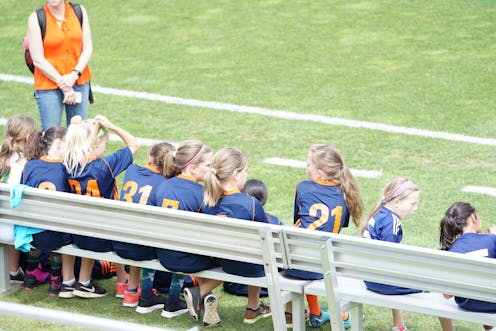
In the wake of the FIFA Women’s World Cup, the federal government has announced A$200 million for women’s sport.
The money will go towards improving sporting facilities and equipment for women, making women’s sport available on free-to-air television and supporting grassroots initiatives to recruit and retain women and girls in sport.
There is much to celebrate in funding commitments dedicated specifically to women and girl’s sport. Modernising facilities can provide a short-term excitement and uplift, but it’s their management over the long term that will influence whether women and girls participate.
The framework for distributing the $200 million has not yet been drawn up. While the government has indicated there will be grant opportunities for grassroots initiatives, we wonder how much money will be left – after facility builds and the free-to-air policy implementation – to deliver on such initiatives.
To achieve sustainable change and meaningful outcomes at the grassroots, government policy needs to encourage community sport clubs to look at what they have already got and think about doing sport differently to make facilities and club culture safe and inclusive for women and girls.
Read more: Just the beginning: 7 ways the Women's World Cup can move the dial on women's sport forever
Barriers to participation
Women and girls encounter a range of barriers to sport participation, including:
- lack of access to safe and convenient facilities
- a poor perception of skill and fitness levels and experiences of enjoyment among adolescent girls
- sporting codes and clubs not allowing culturally appropriate clothing
- unsupportive community values and attitudes
- lack of women-only environments for culturally and linguistically diverse women.
Many girls drop out of sport during their teen years. Building facilities and ensuring elite women’s sport is on free-to-air TV will go some way to normalising women in sport, but all of these barriers must be addressed to recruit and retain young and amateur female players.
Coaches and volunteers need to recognise the motivations of their players. They must also bring parents along on the journey. Some young women may be motivated by competitive sport, but others might be interested in the social aspects.
Any new funding for women’s sports should embrace the teenage girls who are there for fun, as much as the teenagers who are interested in the competition.
Social, flexible and fun sports offerings are the most effective way to attract and engage women and girls.
One standout example is Football Victoria’s Go Soccer Mums. Mothers are invited to an introductory football skills and fitness program running at the same time and place their children train.
The program builds confidence and social networks to re-engage women in sport. It provides a new pathway into sport and a foundation for women to transition into competitive offerings if they choose.
The mothers who progressed through Go Soccer Mums had an opportunity to take on leadership roles typically dominated by men. When more women are in leadership positions in grassroots sport, their interests are more likely to be reflected in decision-making.
Policy and funding should be directed to encourage strong representation of women and girls in coaching, officiating and leadership roles in sport at the grassroots.
Better access to existing facilities
In traditionally male-dominated sports, there continues to be a gender bias. Boys’ and men’s participation is privileged over women’s and girls’.
Men dominate leadership positions. Men’s and boys’ fixtures often get scheduled first on preferred fields and with the top officials. There’s often an expectation women and girls take on organising and support roles.
In this, the issue is not about the provision of facilities but about lack of equitable use of these facilities.
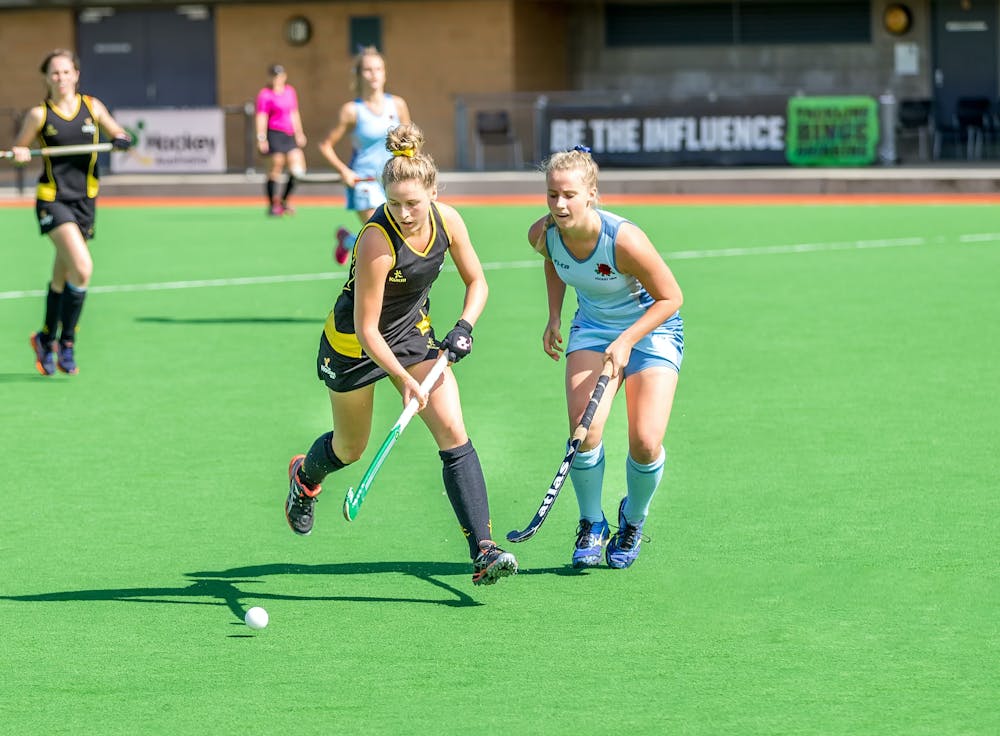
These practices go unquestioned and unchallenged in many communities across Australia.
If clubs focused on equitable use of existing facilities – with shared access to facilities and time slots – then funding for women’s sport could be targeted at other areas of need.
The equitable use of facilities is a target area for the Victorian government under the Fair Access Policy Roadmap. Under this policy, to access infrastructure funding, local councils and sport clubs will need to demonstrate their fair access plans for equitable use of facilities.
Implementing this nationally would ensure investment is going towards sport clubs making progress towards gender equity.
Better coaching practices
We also need initiatives that upskill coaches, committee members and volunteers to support women and girls.
Women’s and girls’ sport is different to men’s and boys’ sport. These players sometimes need nuanced approaches to coaching to acknowledge and address those differences.
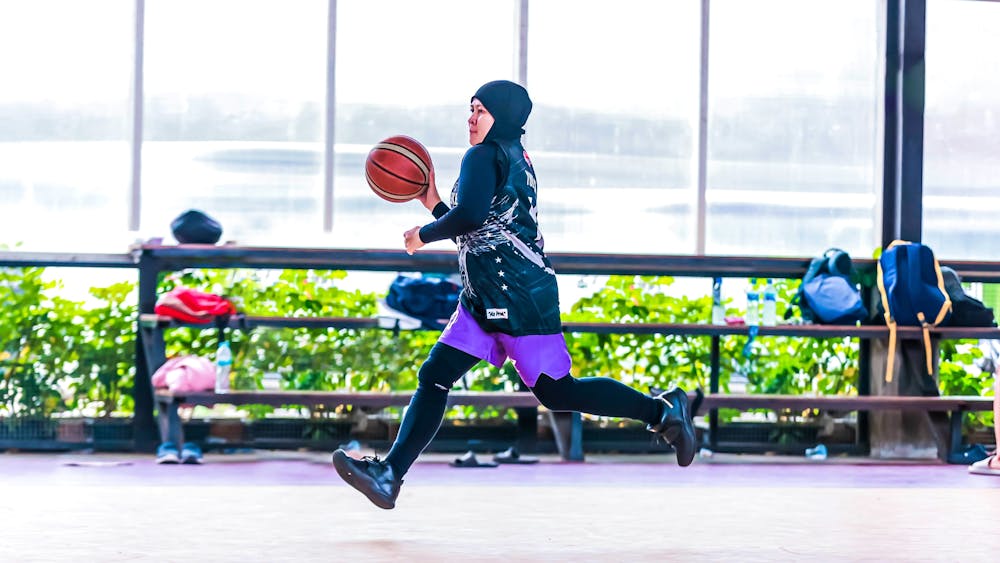 Some women feel their cultural dress will exclude them from sports.
Shutterstock
Some women feel their cultural dress will exclude them from sports.
Shutterstock
Many coach development courses are based on what we know from coaching men and boys. They often overlook the need for awareness and recognition of female-specific considerations when coaching and training athletes.
A key success factor in coaching women is the ability for coaches to empower and support female athletes. However, many coaches – who are often men – have reported not feeling confident to address things such as body image concerns.
Updating coaching courses to integrate specific training for supporting female athletes is an important area the federal government funding should target.
Read more: Breast injuries are common for female athletes. Here's why better awareness and reporting are needed
Authors: Alana Thomson, Senior Lecturer in Sport Management, La Trobe University

















