

Our unsung farm dams provide vital habitat to threatened species of frogs
- Written by Martino Malerba, ARC DECRA Fellow, Deakin University
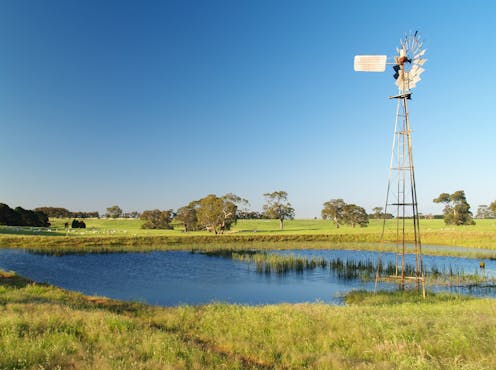
Frogs are in trouble. While many of the world’s animal species are now at risk from habitat loss, climate change and other human pressures, frogs are particularly at risk.
That’s because they rely on fresh water – and rivers, creeks and lakes are especially vulnerable to threats and habitat loss. Freshwater creatures are going extinct faster than land or sea-based lifeforms. Frogs are at even higher risk because their life stages require pristine terrestrial and aquatic habitats – and because the lethal amphibian chytrid fungus is after them.
Frogs could use some good news. Here it is: the farm dam. These ubiquitous human-made ponds are scattered across Australia’s rural regions. Our new research has found they have become home to over two-fifths of Australia’s 240-plus surviving frog species. Better still, as we compiled more than 100,000 audio recordings made by citizen scientists, we could hear the unmistakable calls of species threatened with extinction, such as the green and golden bell frog.
Which dams are important for frogs?
Australia has almost 1.8 million farm dams, storing 20 times the volume of Sydney Harbour. Tens of thousands more are excavated each year.
But which of these small, widely distributed ponds offer the best habitat for frogs? And which of our native frogs are able to use them?
To find out, we drew heavily on the power of citizen science. Thousands of people used the Australian Museum’s FrogID app or Melbourne Water’s Frog Census app to record calling frogs and upload the audio.
Read more: Farmers are famously self-reliant. Why not use farm dams as mini-hydro plants?
We compiled more than 100,000 recordings near 8,800 farm dam sites. When experts listened to these recordings, they identified 107 different species.
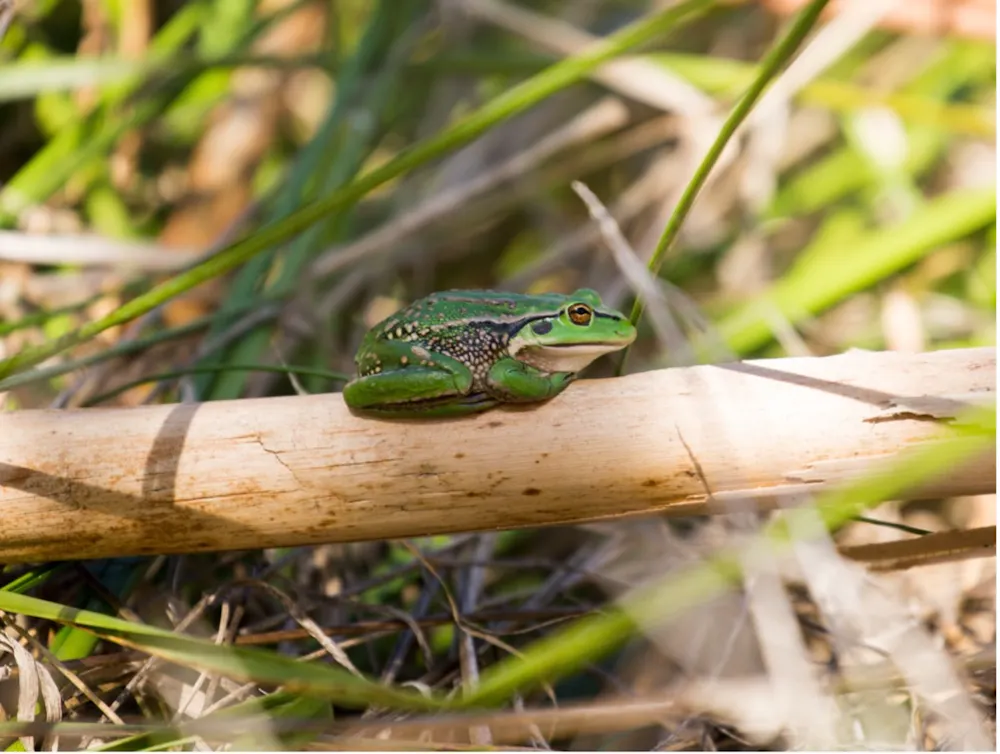
What we were most excited by was discovering species at very real risk of extinction, croaking happily in unnamed dams. These included growling grass frogs (Litoria raniformis), green and golden bell frogs (Litoria aurea), Sloane’s froglet (Crinia sloanei) and northern heath frogs (Litoria littlejohni).
This tells us that farm dams can provide breeding habitat for frogs that are vulnerable to extinction - not just for common species.
In the recordings, we heard the growling grass frog over 3,200 times near 315 farm dams dotted around southeast Australia. That’s an important find, given it’s one of six priority frog species in the government’s threatened species action plan.
 We heard the vulnerable green and golden bell frog seven times near farm dams.
Jodi Rowley/Australian Museum and UNSW, CC BY-ND
We heard the vulnerable green and golden bell frog seven times near farm dams.
Jodi Rowley/Australian Museum and UNSW, CC BY-ND
Frogs love mid-sized old dams
When we crunched the numbers, we found distinct trends in frog abundance. The dams richest in frog species were those older than 20 years, with a medium surface area around 0.1 hectares (dams get a lot bigger than this), and located in areas with high rainfall and intermediate temperatures.
That makes sense. The older the dam, the more natural it becomes. Aquatic plants have time to grow, while shrubs and plants around the dam provide shelter and calling sites for frogs.
Medium size dams provide frogs with the ideal balance between protection from drying out and reduced danger from fish and reptile predators.
We also detected more frog species in dams close to rivers, lakes or conservation sites. Leapfrogging between nearby wetlands is likely to be an important way frogs colonise farm dams.
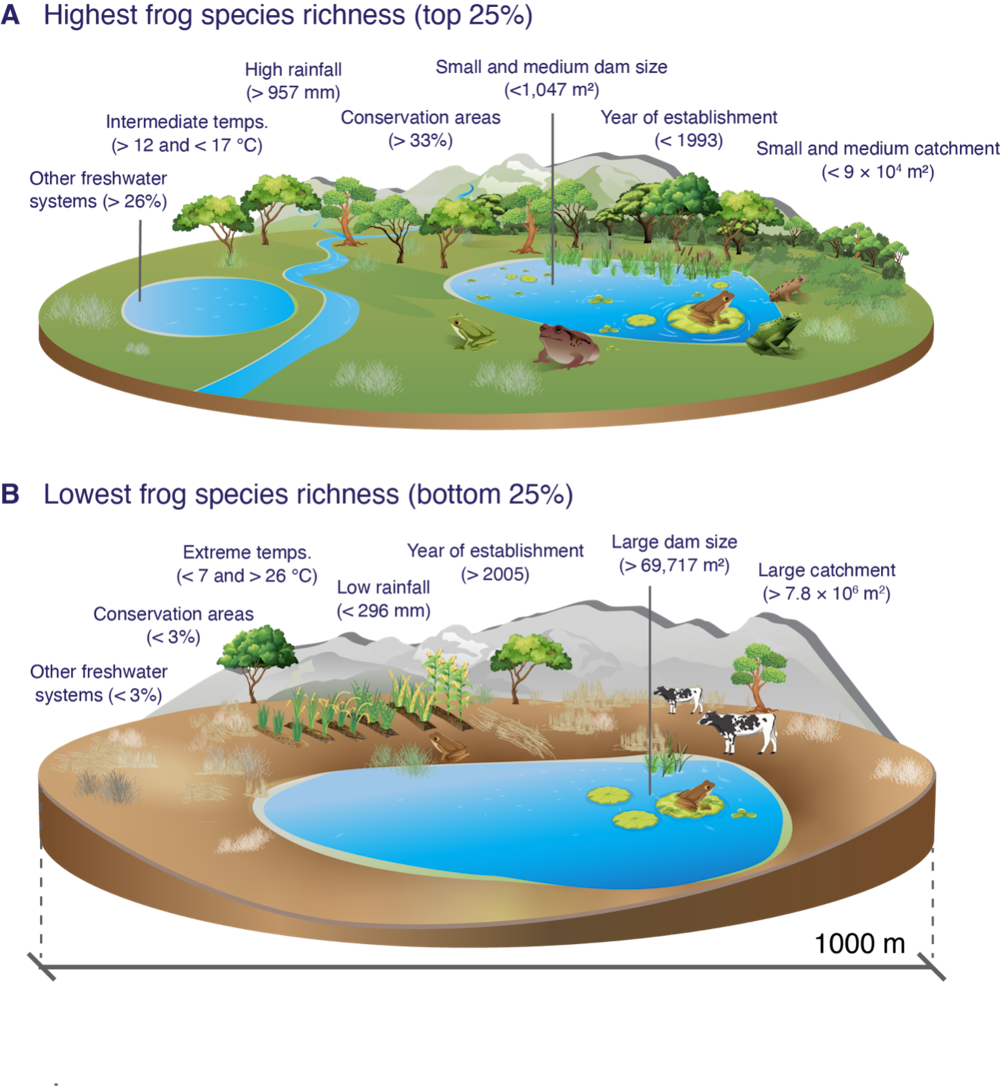 The most frog species were found in farm dams older than 20 years, with a medium surface area (1000m² on average), and in rainfall catchments under 10 hectares. There’s even greater frog diversity near other freshwater systems or conservation areas.
Author provided, CC BY-ND
The most frog species were found in farm dams older than 20 years, with a medium surface area (1000m² on average), and in rainfall catchments under 10 hectares. There’s even greater frog diversity near other freshwater systems or conservation areas.
Author provided, CC BY-ND
Farms and frogs can happily coexist
Is there a clash between what farmers want from their dams and what frogs need? Not necessarily.
It’s certainly true that the banks of dams can, if not looked after, be trampled by livestock into mud. But when farmers fence off parts of the dam banks to protect plants, it benefits livestock health, increases water quality, cuts greenhouse gas emissions, and safeguards breeding habitats for crustaceans, birds, and amphibians, which, in Australia, means frogs.
 We heard the endangered northern heath frog 22 times near farm dams.
Jodi Rowley/Australian Museum and UNSW, CC BY-NC-ND
We heard the endangered northern heath frog 22 times near farm dams.
Jodi Rowley/Australian Museum and UNSW, CC BY-NC-ND
Researchers from Sustainable Farms have released guides on how to make farm dams even better oases for native wildlife by managing and revegetating farm dams to boost water quality and biodiversity.
As the federal government advances its plans for a nature repair market, it’s possible we could see a surge of interest in farm dams.
In this scenario, making farm dams more wildlife-friendly could net farmers and landholders biodiversity credits. Given the wealth of frog species in dams, this could present a cost-effective strategy.
Does this mean we should encourage more farm dams? Not necessarily. Farm dams can compete for water with natural freshwater systems and reduce habitat for species relying on ephemeral ponds or streams to breed. Any future financial incentives to re-wild farm dams must not reward the mass creation of farm dams.
As we grapple with the ongoing biodiversity crisis, it makes sense to make the most of what we have. Farm dams are everywhere. Let’s make them a haven for our frogs.
Read more: HECS for farmers? Nature repair loans could help biodiversity recover – and boost farm productivity
Authors: Martino Malerba, ARC DECRA Fellow, Deakin University

















