

Our planet is burning in unexpected ways
- Written by Luke Kelly, Associate Professor in Quantitative Ecology, The University of Melbourne
People have been using fire for millennia. It is a vital part of many ecosystems and cultures. Yet human activities in the current era, sometimes called the “Anthropocene”, are reshaping patterns of fire across the planet.
In our new research, published in the Annual Review of Environment and Resources, we used satellite data to create global maps of where and how fires are burning. We calculated about 3.98 million square kilometres of Earth’s land surface burns each year. We also examined research spanning archaeology, climatology, ecology, Indigenous knowledge and paleoecology, to better understand the causes and consequences of fires.
Our international team found strong evidence fires are burning in unexpected places, at unusual times and in rarely observed ways. These changes in fire patterns are threatening human lives and modifying ecosystems.
But the future does not have to be bleak. There are many opportunities to apply knowledge and practice of fire to benefit people and nature.
Here’s how fire patterns are changing
Exploring multiple approaches and scales enables a deeper understanding of where, when and how fires burn.
Satellite data provide evidence of changes in fire patterns at a global scale. Annual fire season length increased by 14 days from 1979 to 2020 and night fires, which indicate fires that cannot be quickly controlled, increased in intensity by 7.2% from 2003 to 2020.
Other changes are apparent only when we look at data from particular regions. An increase in fire size and the frequency of large fires has recently been observed in forests and woodlands of the western United States. Meanwhile fire-dependent grasslands and savannahs across Africa and Brazil have experienced reductions in fire frequency.
It’s also important to consider the timescale and type of fire when interpreting changes. In Australia, satellite records show the frequency of very large forest fires has increased over the past four decades. At longer time scales, charcoal and pollen records indicate the frequency of low-intensity fires decreased in parts of southeastern Australia following British colonisation in 1788.
Changes in fire affect air, land and water
Many animals and plants have evolved strategies that enable them to thrive under particular fire patterns. This means changes to fire characteristics can harm populations and ecosystems.
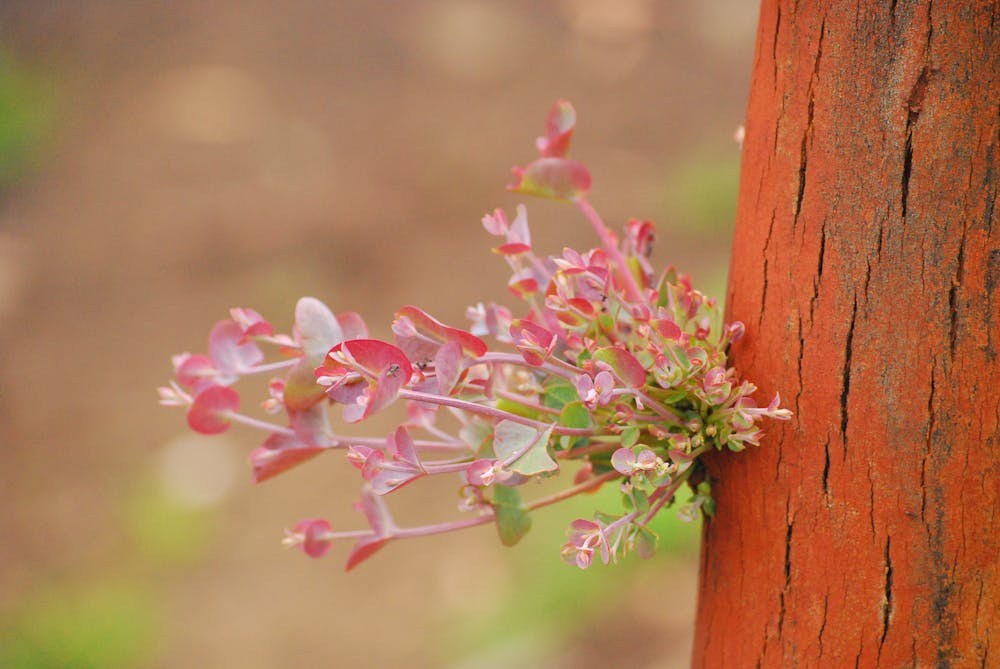 Some eucalypts in southern Australia resprout after fire via epicormic buds along the trunk and branches. Resprouting influences how rapidly the tree layer, important habitat for animals, regenerates.
Thomas A. Fairman
Some eucalypts in southern Australia resprout after fire via epicormic buds along the trunk and branches. Resprouting influences how rapidly the tree layer, important habitat for animals, regenerates.
Thomas A. Fairman
Large and intense fires are reducing the available forest habitat preferred by the greater glider. But a lack of fire can be problematic too. Threatened species of native rodents can benefit from food resources and habitats that flourish shortly after fire.
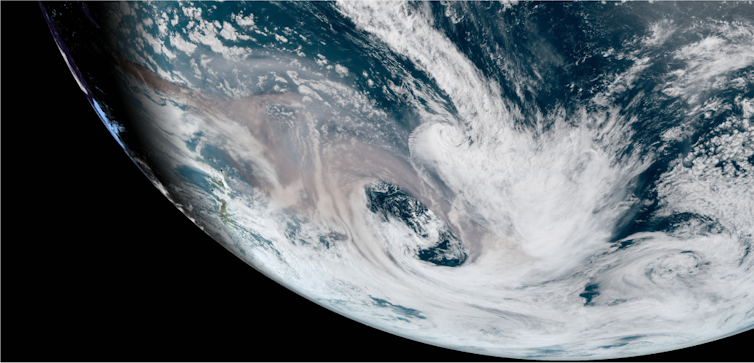
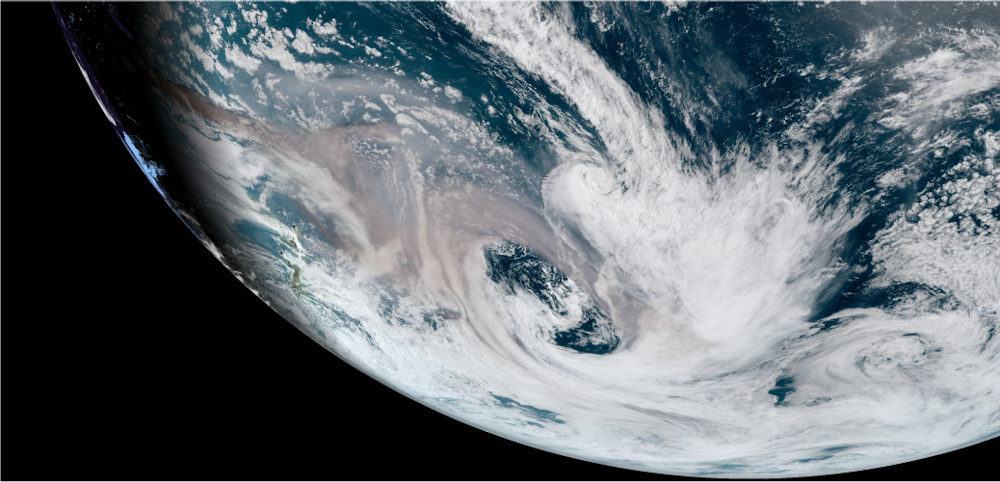
There is evidence that emissions from recent fires are already modifying the atmosphere. The historically exceptional 2019–20 Australian wildfires produced record-breaking levels of aerosols over the Southern Hemisphere, as well as substantial carbon emissions.
The wildfire smoke-related health costs of the 2019–20 wildfires in Australia included an estimated 429 smoke-related premature deaths as well as 3,230 hospital admissions for cardiovascular and respiratory disorders.
Changes in fire patterns are modifying water cycles, too. In the western United States, fires are reaching higher elevations and having strong impacts on snow and water availability.
New studies are revealing how the air, land and water that support life on Earth are connected by fires. Smoke plumes from the 2019–20 Australian wildfires transported nutrients to the Southern Ocean, resulting in widespread phytoplankton blooms.
Read more: How to protect yourself against bushfire smoke this summer
Humans are responsible for the changes
Human drivers such as climate change, land use, fire use and suppression, and transportation and extinction of species are causing shifts in fire patterns.
Increasing global temperatures and more frequent heatwaves and droughts increase the likelihood of fire by promoting hot, dry and windy conditions. A pattern of extreme fire weather outside of natural climate variation is already emerging in North America, southern Europe and the Amazon basin.
Humans modify fire regimes by changing land use for agricultural, forestry and urban purposes. Until recent decades, large fires in tropical forests were uncommon. But deforestation fires used to clear primary forest for agriculture often promotes more frequent and intense uncontrolled fires.
Humans have transported plants and animals across the globe, resulting in novel mixes of species that modify fuels and fire regimes. In many parts of the world, invasive grasses have increased flammability and fire activity.
Social and economic changes propel these drivers. Colonisation by Europeans and the displacement of Indigenous peoples and their skilful use of fire has been linked with fire changes in Australia, North America and South America.
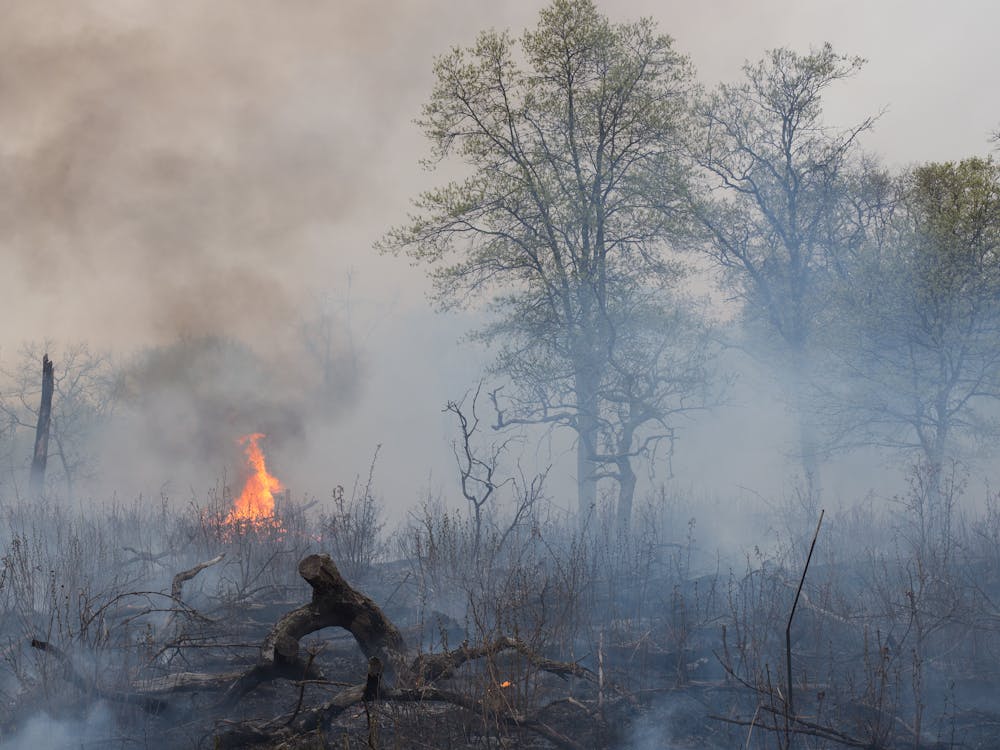 Experimental fires help us learn about ecosystems and sustainability. This is an experimental fire in temperate savannah in Minnesota, US, at the Cedar Creek Ecosystem Science Reserve.
Frank Meuschke
Experimental fires help us learn about ecosystems and sustainability. This is an experimental fire in temperate savannah in Minnesota, US, at the Cedar Creek Ecosystem Science Reserve.
Frank Meuschke
Using knowledge and practice of fire to achieve sustainability goals
The pace and scale of these changes represent challenges to humanity, but knowledge and practice of fire can help to achieve sustainability goals.
This includes:
- good health and wellbeing, by supporting community-owned solutions and fire practices that increase social cohesion and health
- sustainable cities and communities, by designing green firebreaks and mixed-use areas with low fuels, strategically located in the landscape
- life on land, by tailoring use of fire to promote and restore species and ecosystems
- climate action, by applying low-intensity fire to promote the stability of soil organic matter and increase carbon storage
- reduced inequalities, by allocating resources before, during, and after wildfires to at-risk communities and residents.
As the world changes, society as a whole needs to keep learning about the interplay between people and fire.
A deep understanding of fire is essential for achieving a sustainable future – in other words, a better Anthropocene.
Authors: Luke Kelly, Associate Professor in Quantitative Ecology, The University of Melbourne

















