

the philosophy of Jean-Jacques Rousseau is profoundly contemporary
- Written by Chris Fleming, Associate Professor in the School of Humanities and Communication Arts, Western Sydney University
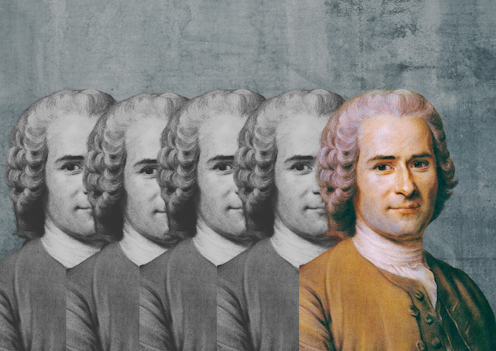
By any reckoning, Jean-Jacques Rousseau (1712-1778) is one of the most influential Western philosophers in history. No account of the modern era – not just modern thought – could ignore him. Few courses in political or social theory would think to omit him.
It is therefore worth coming to grips with his thought and its legacy. But like any major thinker, there are risks in summaries – some of which give us clues about Rousseau himself.
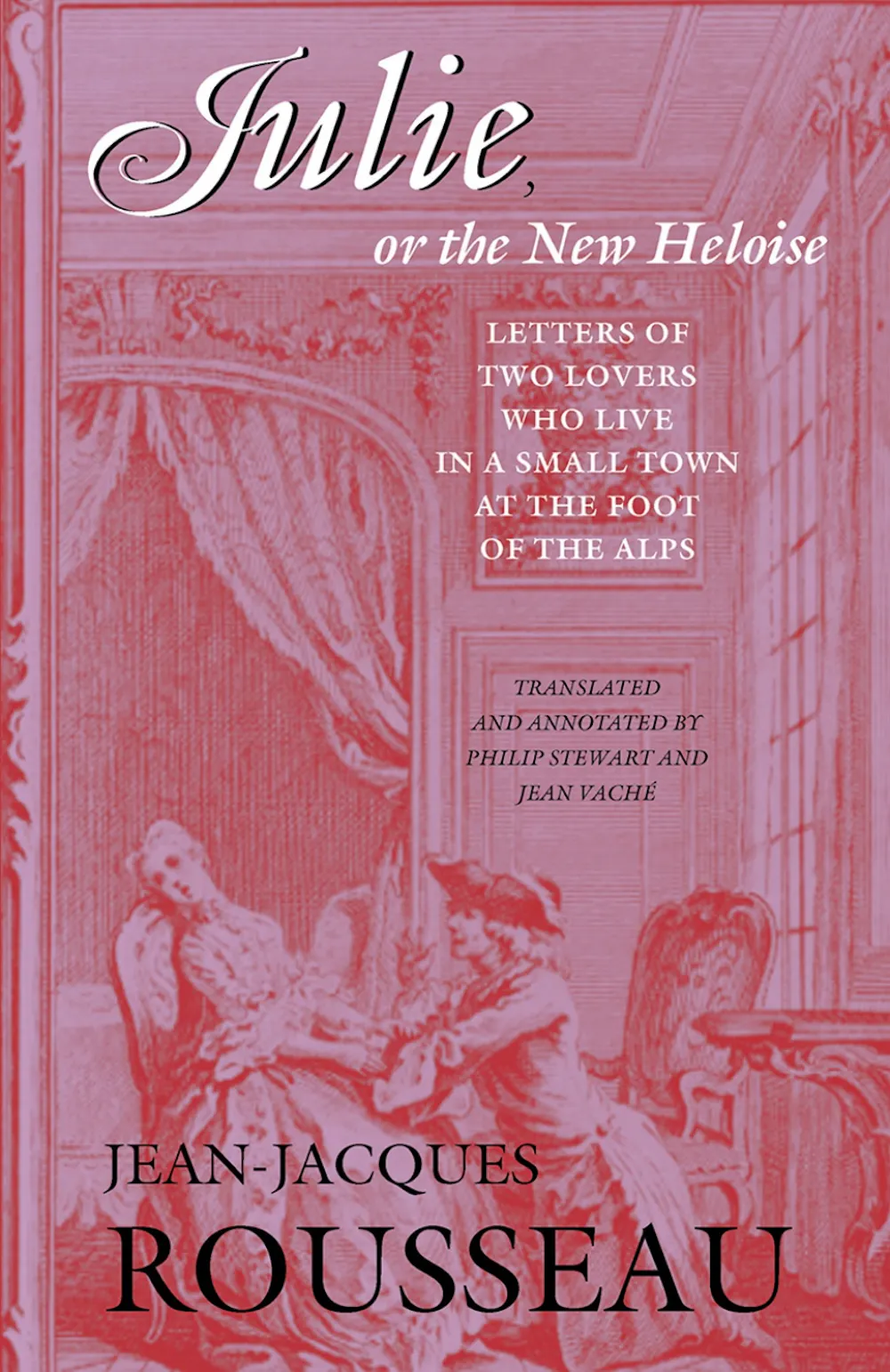
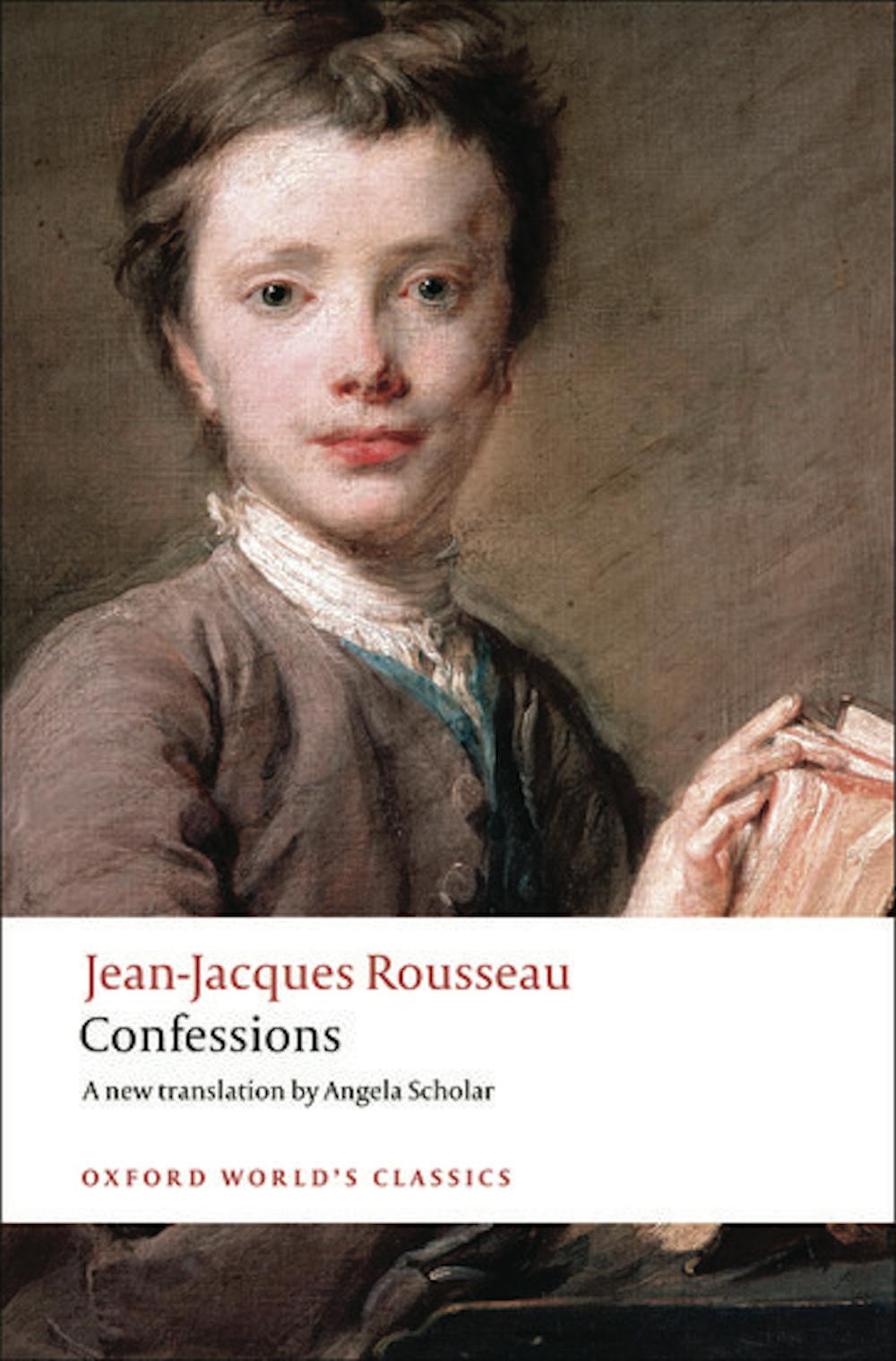
Although he is known as a social and political philosopher, Rousseau’s creative output does not resemble that of a contemporary “theorist”. He was not only a writer of treatises, but fiction, autobiographical works (such as Confessions and Reveries of a Solitary Walker) and musical compositions, including seven operas, some of which were notable enough to be acknowledged by composers like Gluck and Mozart.
But there is another, stranger difficulty in summarising Rousseau’s thought. It is not that his work is alien and distant to us, as might be the case with certain other thinkers. It is that his ideas reflect many of our own deepest commitments and patterns of thought. They are as close to us as the clichés heard on reality television shows and the bromides on offer in certain kinds of self-help books. They are the common coin of much political rhetoric.
It has been my experience in teaching philosophy and social theory over many years that where Plato can come across as unbearably strange, Descartes as either glib or insane, large parts of Rousseau will often strike students as mere common sense.
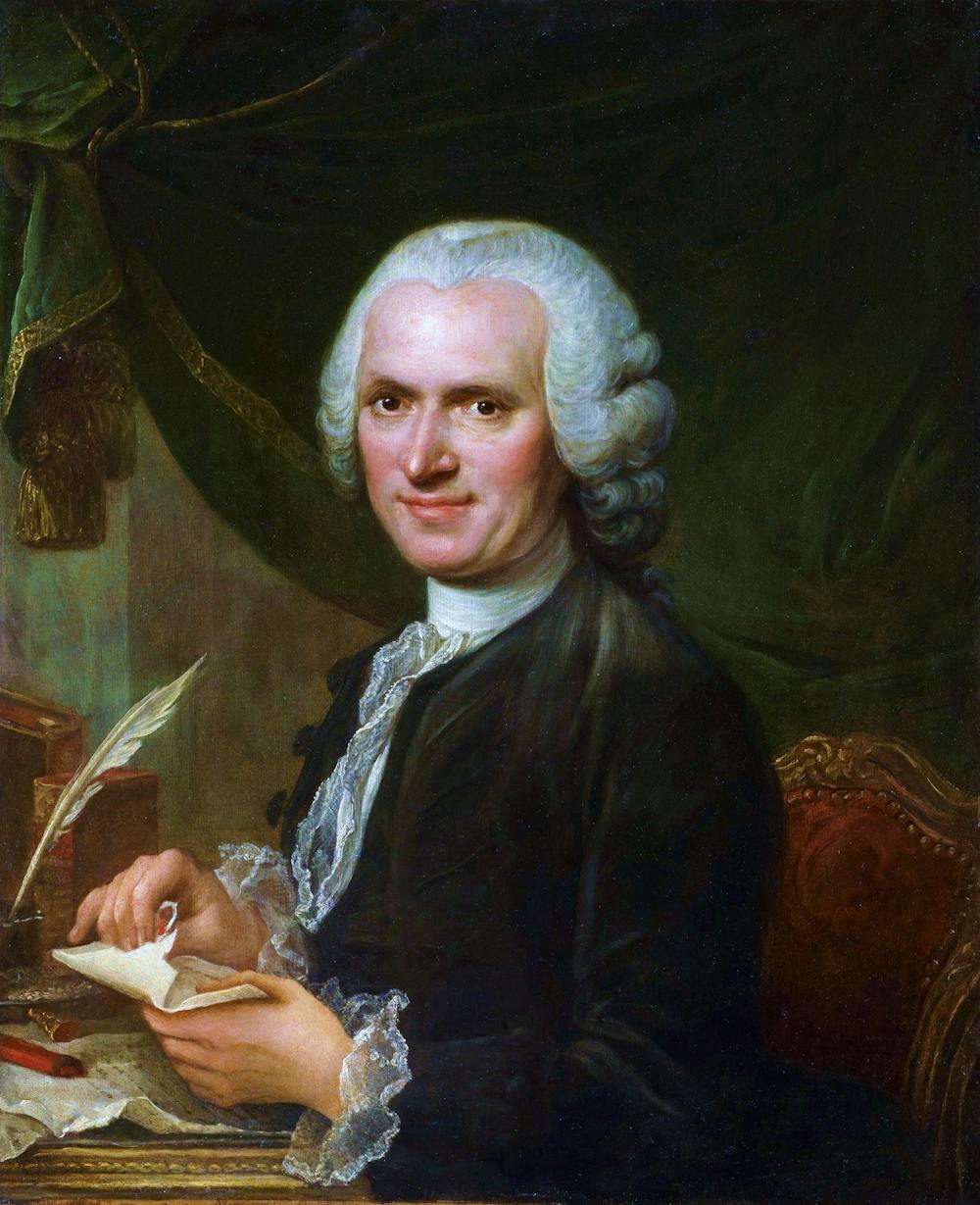 Jean-Jacques Rousseau – François Guérin (c.1760)
Public domain
Part of his method was to introduce and sharpen a distinction that has become integral to the thought of all subsequent eras. Where much philosophical discussion had been centred around the distinction between the “natural” and the “supernatural”, Rousseau opposed the natural to the artificial.
He argued that what we ordinarily think of as civilisational progress creates – and then aims to satisfy – new and artificial vices, serving our vanity and not our natural needs. For example, where the “natural man” (homme naturel) gets thirsty and needs water, the “artificial” man (homme artificiel) thinks he needs “designer water” curated by a “water sommelier” and served on a silver tray.
Rousseau thought no good argument could be made that the rural Swiss or Native Americans possessed less virtue or happiness than the most civilised Europeans. In fact, he proposed there were many good reasons to think they were greater in both.
Read more:
Guide to the Classics: Voltaire’s Candide — a darkly satirical tale of human folly in times of crisis
Society and inequality
Developing these ideas, in 1754, Rousseau wrote his Discourse on the Origin and Basis of Inequality Among Men. In it, he attempted a thought experiment which imagined what humans may have been like in a “pre-civilisational” state.
Rousseau was aware that this act of imagination was speculative and he could not be sure of its results. But his focus was not historical: he wanted to see if he could, hypothetically, strip away the accretions of civilisation to see what a human being was in its most basic mode.
Humans, he thought, were fundamentally solitary creatures, most at home alone or in small groups. He suggested that “natural man” would come together with others sometimes, but would soon part ways, so issues like envy or resentment would rarely arise.
For Rousseau, natural inequalities would have no serious consequences in the state of nature. For instance, if you spent time with someone who was stronger than you, intimidated you, bossed you around and stole your food, you would simply wait until they were asleep and leave.
Rousseau hypothesised that some historical tragedy, perhaps a natural catastrophe, had prompted human beings to create “societies”. That particular form of social organisation proved permanent, pushing away all other modes of being, other natural forms of human sociality.
When people formed societies they acquired certain comforts, but created a host of problems. Rousseau claimed that everyone was born free and equal, but societies imposed a sense of ownership over resources and divisions of labour, which caused conflict and social injustice. He held that inequality was artificial. And yet once inequalities arose, arbitrary power maintained them and artificial man naturalised them, making them seem like reflections of nature.
Our artificial needs thus became the centre of our lives. We gradually required not just shelter but the best house on the block, not just food but cuisine. Such an existence has bred mutual alienation between people. Only in the bustling metropolitan streets of Paris or London would a person simply step over someone who is destitute.
Read more:
Criticism of Western Civilisation isn't new, it was part of the Enlightenment
Education and politics
What was the solution to this sorry state of affairs? For Rousseau, there were two main remedies to the debasement of our nature. The first was the institution of a new kind of education; the second was reorienting politics towards a new moral foundation.
In Émile, or On Education (1862), Rousseau wrote a treatise on education in the form of a bildungsroman – the first and likely the last of its kind. He sought to outline the conditions of a good education, which he thought should be based on lived experience and the development of individual character, not rote learning, mechanical memorisation, or even the reading of books. (He makes a lone exception for Robinson Crusoe, which he did think students should read.)
As for moral education, young people should learn about the consequences of their actions. What would be the punishment for a child breaking a window? They should be made to sleep in a cold room.
Jean-Jacques Rousseau – François Guérin (c.1760)
Public domain
Part of his method was to introduce and sharpen a distinction that has become integral to the thought of all subsequent eras. Where much philosophical discussion had been centred around the distinction between the “natural” and the “supernatural”, Rousseau opposed the natural to the artificial.
He argued that what we ordinarily think of as civilisational progress creates – and then aims to satisfy – new and artificial vices, serving our vanity and not our natural needs. For example, where the “natural man” (homme naturel) gets thirsty and needs water, the “artificial” man (homme artificiel) thinks he needs “designer water” curated by a “water sommelier” and served on a silver tray.
Rousseau thought no good argument could be made that the rural Swiss or Native Americans possessed less virtue or happiness than the most civilised Europeans. In fact, he proposed there were many good reasons to think they were greater in both.
Read more:
Guide to the Classics: Voltaire’s Candide — a darkly satirical tale of human folly in times of crisis
Society and inequality
Developing these ideas, in 1754, Rousseau wrote his Discourse on the Origin and Basis of Inequality Among Men. In it, he attempted a thought experiment which imagined what humans may have been like in a “pre-civilisational” state.
Rousseau was aware that this act of imagination was speculative and he could not be sure of its results. But his focus was not historical: he wanted to see if he could, hypothetically, strip away the accretions of civilisation to see what a human being was in its most basic mode.
Humans, he thought, were fundamentally solitary creatures, most at home alone or in small groups. He suggested that “natural man” would come together with others sometimes, but would soon part ways, so issues like envy or resentment would rarely arise.
For Rousseau, natural inequalities would have no serious consequences in the state of nature. For instance, if you spent time with someone who was stronger than you, intimidated you, bossed you around and stole your food, you would simply wait until they were asleep and leave.
Rousseau hypothesised that some historical tragedy, perhaps a natural catastrophe, had prompted human beings to create “societies”. That particular form of social organisation proved permanent, pushing away all other modes of being, other natural forms of human sociality.
When people formed societies they acquired certain comforts, but created a host of problems. Rousseau claimed that everyone was born free and equal, but societies imposed a sense of ownership over resources and divisions of labour, which caused conflict and social injustice. He held that inequality was artificial. And yet once inequalities arose, arbitrary power maintained them and artificial man naturalised them, making them seem like reflections of nature.
Our artificial needs thus became the centre of our lives. We gradually required not just shelter but the best house on the block, not just food but cuisine. Such an existence has bred mutual alienation between people. Only in the bustling metropolitan streets of Paris or London would a person simply step over someone who is destitute.
Read more:
Criticism of Western Civilisation isn't new, it was part of the Enlightenment
Education and politics
What was the solution to this sorry state of affairs? For Rousseau, there were two main remedies to the debasement of our nature. The first was the institution of a new kind of education; the second was reorienting politics towards a new moral foundation.
In Émile, or On Education (1862), Rousseau wrote a treatise on education in the form of a bildungsroman – the first and likely the last of its kind. He sought to outline the conditions of a good education, which he thought should be based on lived experience and the development of individual character, not rote learning, mechanical memorisation, or even the reading of books. (He makes a lone exception for Robinson Crusoe, which he did think students should read.)
As for moral education, young people should learn about the consequences of their actions. What would be the punishment for a child breaking a window? They should be made to sleep in a cold room.
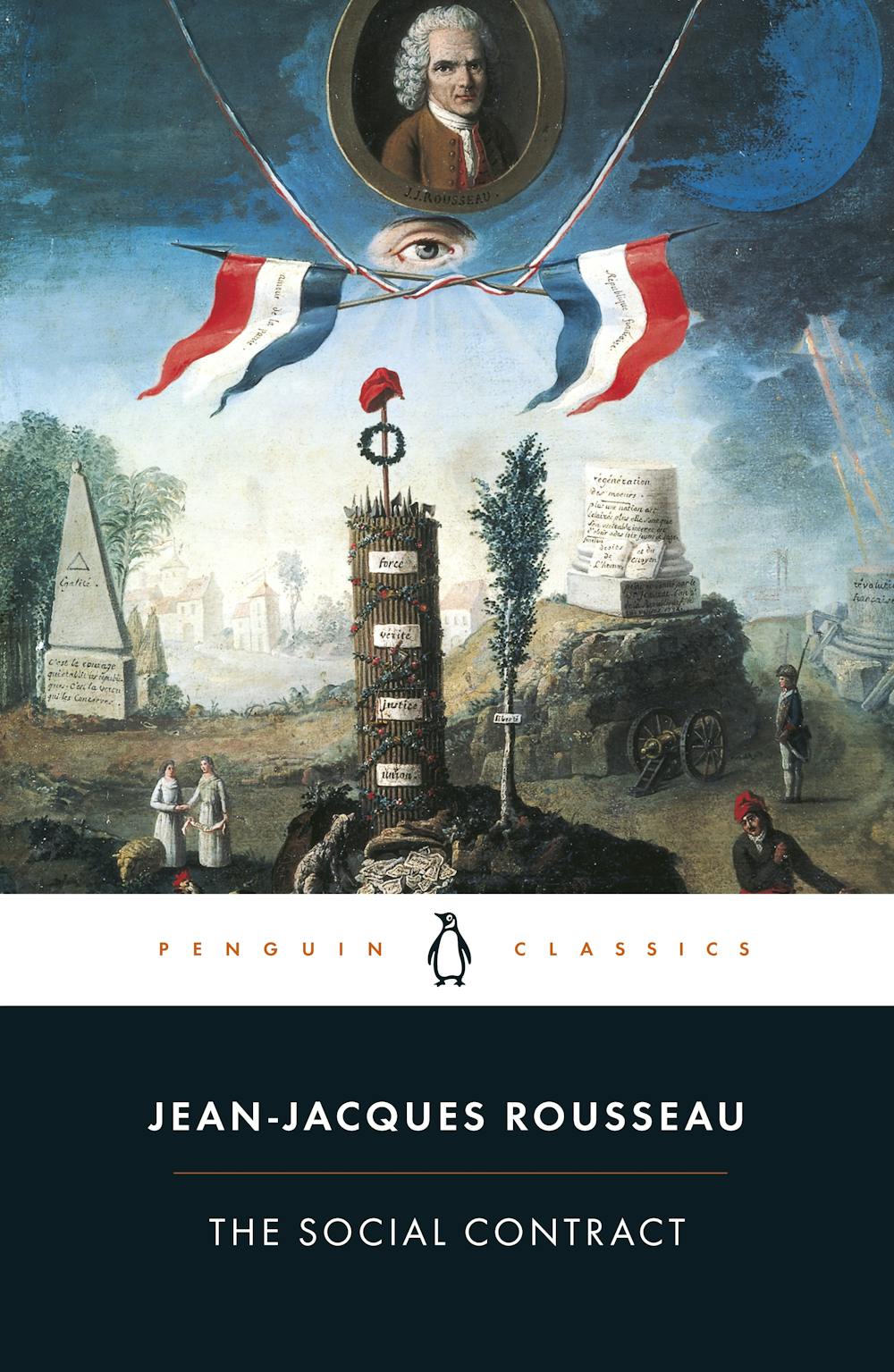 The second means by which Rousseau thought we could rediscover natural man was through the social contract, in which people would voluntarily cede some of their freedom to a sovereign power who expressed the “general will”. This general will is the sole source of the state’s sovereign authority.
This is a paradigmatic form of democratic theory, but Rousseau did not see it as merely this. He thought that this particular mode of government might help to make citizens moral, to move them beyond mere self-seeking. For Rousseau, the social contract entails the idea that one can only pursue one’s own happiness by pursuing everyone else’s. In this sense, government would function the way a cooperative corporation might: individual efforts lead to everyone’s gain; selfishness produces gains for nobody, including the self-seeker.
Rousseau’s ideas were a significant departure from the political and social theories that were popular at the time. His emphasis on the value of individual freedom and equality, and the government’s duty in preserving these principles, contributed to many developments – theoretical and practical – in the modern world.
The French and American Revolutions and the advancement of modern political philosophy were significantly influenced by his work. In his most significant works, he demolished the notion that monarchies were divinely appointed. He proposed the revolutionary idea that the people alone have the true right to govern. These ideas helped to end the centuries-old relationship between church, crown and country. They laid the groundwork for classic republicanism: a system of mixed governance based on the principles of civil society and citizenship.
Rousseau’s terminology has oriented discussions of morality, self-development and politics from the 18th century to the counterculture of the 1960s, the New Age movement of the 1980s, and beyond. We see traces – and sometimes more – of Rousseau in the celebration of the simple and the “primitive” (including the racist legacies of such misconstrued faint praise).
His legacy also continues in those currents of thought which see culture as decadent, and which see the solution to this in getting in touch with nature, our own inner natures, and in following our own paths. He has some claim to be the inspiration of parts of “child-centred education”, of what became known in some circles as “progressivism”. Without Rousseau, it is hard to imagine the existence of Steiner and Montessori Schools.
Deism and human nature
While it is true Rousseau was – in his early career at least – a celebrity intellectual, he was also the target of much criticism, and even persecution.
He was a close friend of many atheist philosophers, but a fierce critic of them. He was, equally, a trenchant critic of revealed religions. The God of revealed religion was a God of vengeance, intolerance and petty vice, revealed to some and not others merely by virtue of an accident of birth. Rousseau thought no God worthy of the name would reveal itself in such outrageous and contradictory ways.
The term “deism” has come to refer to a kind of impersonal, detached creator, but Rousseau’s deist God was nothing of the sort. According to Rousseau, we know what we know of God from Nature and Reason alone. Thus religion itself had become, like many civilisational developments, one of the great corruptors of humanity.
Rousseau was ridiculed by atheists for his religious views and by orthodox Christians for his critique of revealed religion, but the views he espoused have become a standard “secular” creed, perpetuated by people who claim to be “spiritual but not religious.”
Many have questioned Rousseau’s conception of human nature, thinking it wrong or overly idealistic – or at least very partial. What evidence is there, critics ask, for the idea that humans are good creatures perverted by society? From where does this idea of “natural man” derive?
In Rousseau, Judge of Jean-Jacques (1776), Rousseau addresses this question directly, and in typically Rousseauian fashion:
whence could the painter and apologist of human nature have taken his model, if not from his own heart? He has described this nature just as he felt it within himself.
Much in his philosophy hangs on this verdict. It reads as a peculiarly pallid justification of his method, but it is an honest one – and an admission which could be said of many theories and theorists.
The second means by which Rousseau thought we could rediscover natural man was through the social contract, in which people would voluntarily cede some of their freedom to a sovereign power who expressed the “general will”. This general will is the sole source of the state’s sovereign authority.
This is a paradigmatic form of democratic theory, but Rousseau did not see it as merely this. He thought that this particular mode of government might help to make citizens moral, to move them beyond mere self-seeking. For Rousseau, the social contract entails the idea that one can only pursue one’s own happiness by pursuing everyone else’s. In this sense, government would function the way a cooperative corporation might: individual efforts lead to everyone’s gain; selfishness produces gains for nobody, including the self-seeker.
Rousseau’s ideas were a significant departure from the political and social theories that were popular at the time. His emphasis on the value of individual freedom and equality, and the government’s duty in preserving these principles, contributed to many developments – theoretical and practical – in the modern world.
The French and American Revolutions and the advancement of modern political philosophy were significantly influenced by his work. In his most significant works, he demolished the notion that monarchies were divinely appointed. He proposed the revolutionary idea that the people alone have the true right to govern. These ideas helped to end the centuries-old relationship between church, crown and country. They laid the groundwork for classic republicanism: a system of mixed governance based on the principles of civil society and citizenship.
Rousseau’s terminology has oriented discussions of morality, self-development and politics from the 18th century to the counterculture of the 1960s, the New Age movement of the 1980s, and beyond. We see traces – and sometimes more – of Rousseau in the celebration of the simple and the “primitive” (including the racist legacies of such misconstrued faint praise).
His legacy also continues in those currents of thought which see culture as decadent, and which see the solution to this in getting in touch with nature, our own inner natures, and in following our own paths. He has some claim to be the inspiration of parts of “child-centred education”, of what became known in some circles as “progressivism”. Without Rousseau, it is hard to imagine the existence of Steiner and Montessori Schools.
Deism and human nature
While it is true Rousseau was – in his early career at least – a celebrity intellectual, he was also the target of much criticism, and even persecution.
He was a close friend of many atheist philosophers, but a fierce critic of them. He was, equally, a trenchant critic of revealed religions. The God of revealed religion was a God of vengeance, intolerance and petty vice, revealed to some and not others merely by virtue of an accident of birth. Rousseau thought no God worthy of the name would reveal itself in such outrageous and contradictory ways.
The term “deism” has come to refer to a kind of impersonal, detached creator, but Rousseau’s deist God was nothing of the sort. According to Rousseau, we know what we know of God from Nature and Reason alone. Thus religion itself had become, like many civilisational developments, one of the great corruptors of humanity.
Rousseau was ridiculed by atheists for his religious views and by orthodox Christians for his critique of revealed religion, but the views he espoused have become a standard “secular” creed, perpetuated by people who claim to be “spiritual but not religious.”
Many have questioned Rousseau’s conception of human nature, thinking it wrong or overly idealistic – or at least very partial. What evidence is there, critics ask, for the idea that humans are good creatures perverted by society? From where does this idea of “natural man” derive?
In Rousseau, Judge of Jean-Jacques (1776), Rousseau addresses this question directly, and in typically Rousseauian fashion:
whence could the painter and apologist of human nature have taken his model, if not from his own heart? He has described this nature just as he felt it within himself.
Much in his philosophy hangs on this verdict. It reads as a peculiarly pallid justification of his method, but it is an honest one – and an admission which could be said of many theories and theorists.
 We often read academic works as though they were written objectively, yet we know they often spring from the subjective preoccupations of their authors. Anyone who has read enough evolutionary psychology, for instance, will come to suspect the deeply personal – indeed, sometimes almost voyeuristic – nature of what is claimed to be universal.
In an era where the relation between person and theorist – or person and artist – is the subject of fascination, even obsession, Rousseau’s life scandalises us. This self-declared lover of peace and goodwill seemed to engineer most of his relationships to devolve into catastrophe; the man who argued even for the barbarity of the wet-nurse entrusted five of his own children to orphanages. Rousseau is one of the richest illustrations of the liberal who loves humanity, but is much less certain about humans.
At a time when the ad hominem is not seen so much as a fallacy but the sine qua non of intellectual lucidity, what are we to do not just with Rousseau, but with our own Rousseauism? The tension he felt between the outer and the inner is our fate too. The world we live in is in many ways his, as much as we would sometimes like this not to be the case.
Authors: Chris Fleming, Associate Professor in the School of Humanities and Communication Arts, Western Sydney University
We often read academic works as though they were written objectively, yet we know they often spring from the subjective preoccupations of their authors. Anyone who has read enough evolutionary psychology, for instance, will come to suspect the deeply personal – indeed, sometimes almost voyeuristic – nature of what is claimed to be universal.
In an era where the relation between person and theorist – or person and artist – is the subject of fascination, even obsession, Rousseau’s life scandalises us. This self-declared lover of peace and goodwill seemed to engineer most of his relationships to devolve into catastrophe; the man who argued even for the barbarity of the wet-nurse entrusted five of his own children to orphanages. Rousseau is one of the richest illustrations of the liberal who loves humanity, but is much less certain about humans.
At a time when the ad hominem is not seen so much as a fallacy but the sine qua non of intellectual lucidity, what are we to do not just with Rousseau, but with our own Rousseauism? The tension he felt between the outer and the inner is our fate too. The world we live in is in many ways his, as much as we would sometimes like this not to be the case.
Authors: Chris Fleming, Associate Professor in the School of Humanities and Communication Arts, Western Sydney University 

















