

'unsettling' new Australian stories reveal a distorted world
- Written by Julian Novitz, Senior Lecturer, Writing, Department of Media and Communication, Swinburne University of Technology

Three new Australian short-story collections are very different in their style and approach to short-form fiction. However, these books – by veterans of the form David Cohen and Laura Jean McKay, and debut writer John Morrissey – are united by their tendency to cross genres and present the contemporary world in distorted (and occasionally disturbing) ways.
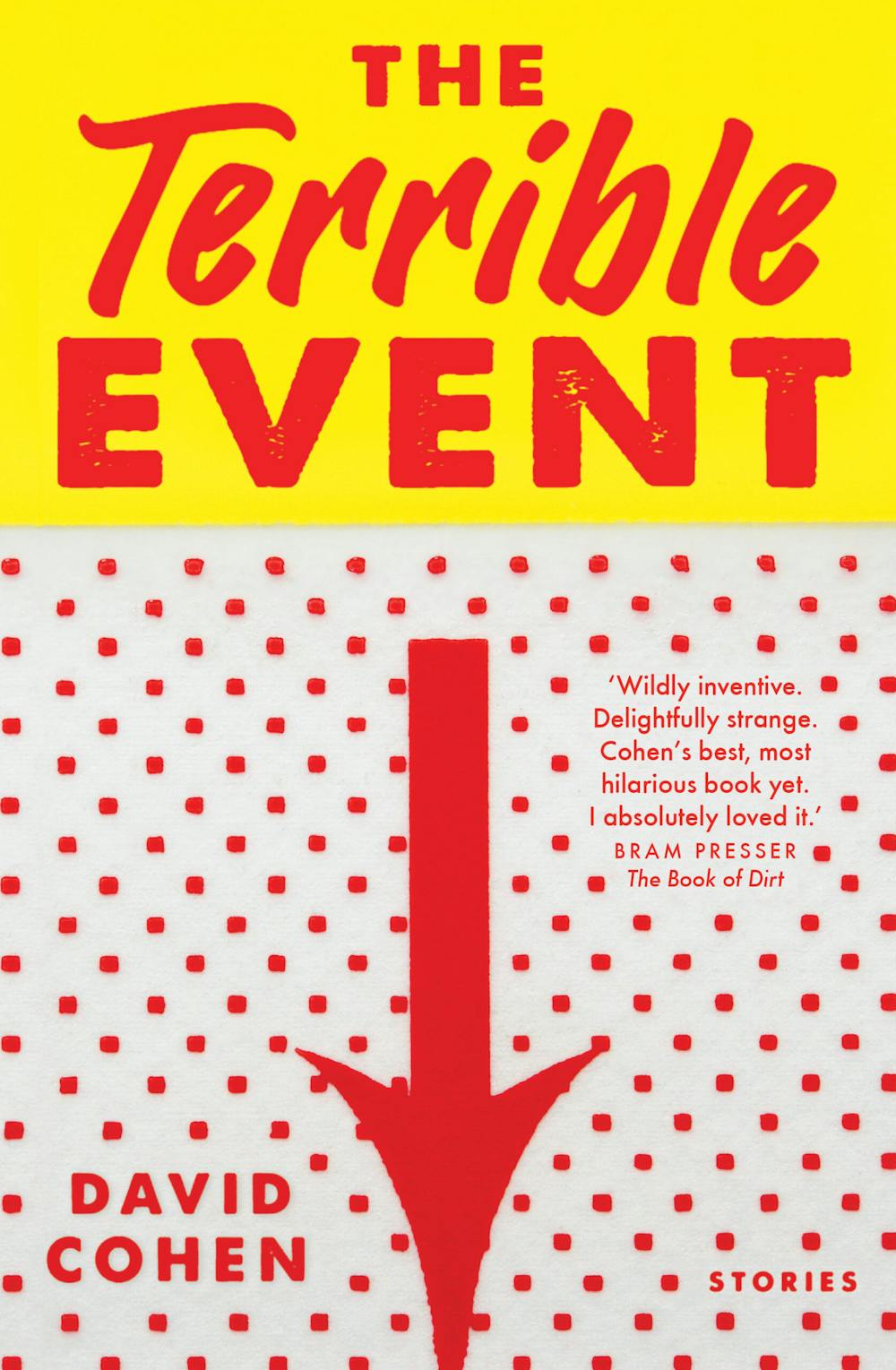
Review: The Terrible Event – David Cohen (Transit Lounge); Gunflower – Laura Jean McKay (Scribe); Firelight – John Morrissey (Text)
Of the three, the stories in Cohen’s The Terrible Event feel the most familiar in their treatment of the bizarre and uncanny aspects of ordinary life. Cohen grounds his narratives in everyday banalities, exploring characters who are often wrestling with malaise, discontent and loneliness.
Cohen won the 2019 Russell Prize for Humour Writing for The Hunter and Other Stories of Men and this follow-up collection is described as “hilarious” in one of the blurb quotes. However, as Erich Mayer argues in a recent review, these stories are not what many readers would understand as conventionally funny.
Mayer notes the grim subjects of many of the narratives, with protagonists who are often pushing at the boundaries of their own powerlessness, struggling to make a meaningful change or connection.
Read more: 'We are only passing through': stories about memory, mortality and the effort of being alive
Expansive and mysterious
The opening stories, The Terrible Event: a Memorial and Mr Cheerio, are the most explicitly satirical in the collection. The former deals with the attempt to memorialise an apparently horrific tragedy in an appropriate and respectful way. However, this task is approached with such delicate concern and consideration for the sensitivities of any potential audience that the true nature and horror of the “terrible event” itself are eventually entirely erased.
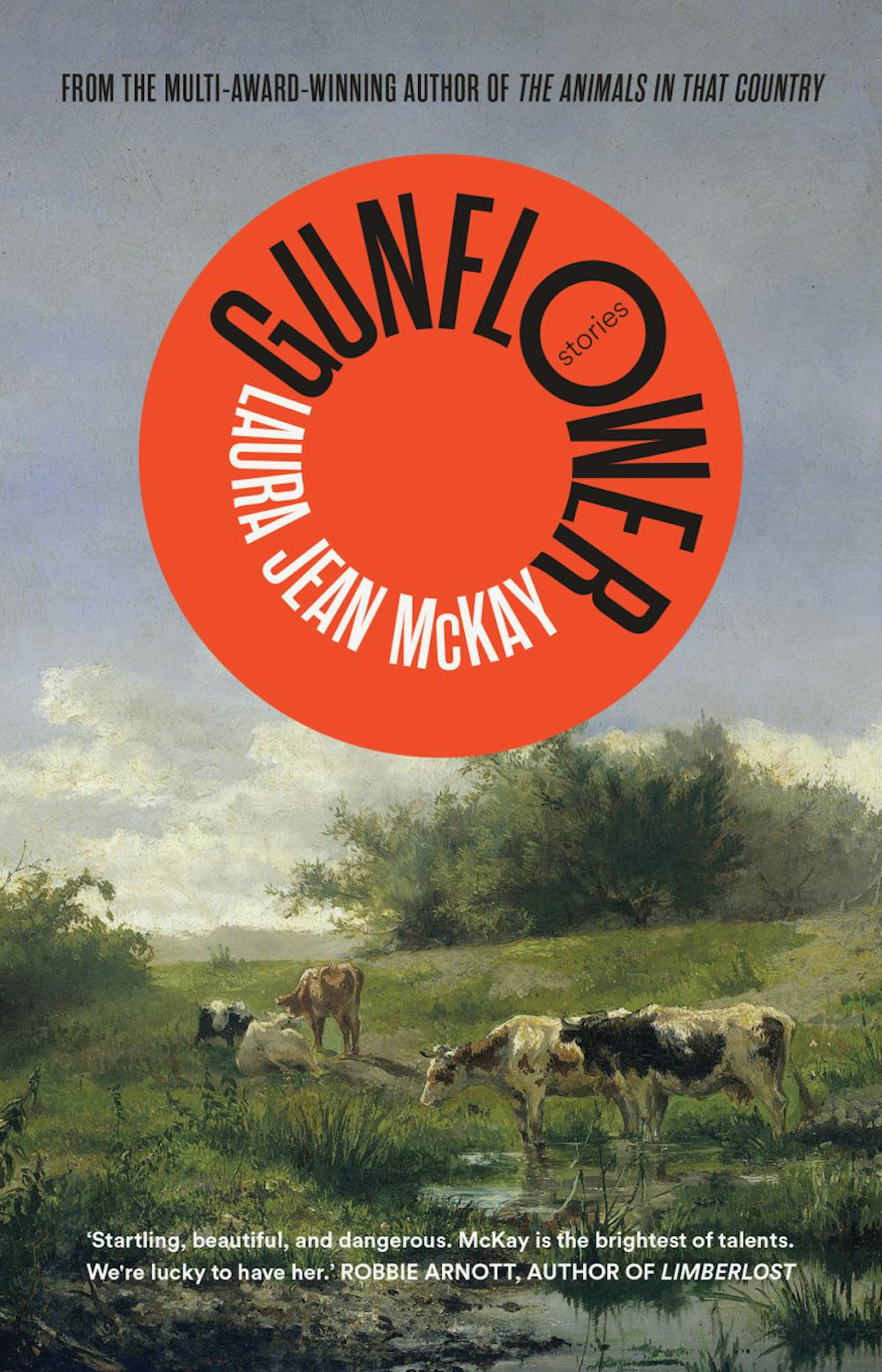
 Laura Jean McKay’s Gunflower offers a radical approach to short-form fiction.
The opening story, Cats at the Firefront, presents an alternative Australia, in which cats, dogs and horses are farmed for their meat, milk and hides, and livestock animals are treated as domestic pets. In Flying Rods, a woman bitten by a mosquito undergoes a Kafkaesque transformation into an insect. Rather than being horrified, she finds the physical and psychological shift to be invigorating and liberating.
Much like The Animals in That Country (where the outbreak of a viral “zooflu” affected humans in a way that allowed them to almost psychically perceive the thoughts and emotions of animals), Gunflower disrupts the boundaries between animal and human.
Human characters are portrayed as vicious and predatory in Territory’s brutal depiction of pig hunting. By contrast, in Those Last Days of Summer, a battery of hens are afforded a human-like voice through their poetic account of their confinement.
Elsewhere, the forced proximity between human and animal becomes a source of unease. A livestock management student is momentarily overcome during a practical class on cannulation. They find themselves starring into “the meaty darkness” of a living cow’s interior. McKay’s brief, paragraph-length mediation on the possibility of extinction, This Time, addresses the unavoidable entwinement of human and animal life in a time of climate crisis.
Many of the stories in the collection examine the experience of living in an environment that’s becoming increasingly unstable. Several stories deal with destabilising absences.
Laura Jean McKay’s Gunflower offers a radical approach to short-form fiction.
The opening story, Cats at the Firefront, presents an alternative Australia, in which cats, dogs and horses are farmed for their meat, milk and hides, and livestock animals are treated as domestic pets. In Flying Rods, a woman bitten by a mosquito undergoes a Kafkaesque transformation into an insect. Rather than being horrified, she finds the physical and psychological shift to be invigorating and liberating.
Much like The Animals in That Country (where the outbreak of a viral “zooflu” affected humans in a way that allowed them to almost psychically perceive the thoughts and emotions of animals), Gunflower disrupts the boundaries between animal and human.
Human characters are portrayed as vicious and predatory in Territory’s brutal depiction of pig hunting. By contrast, in Those Last Days of Summer, a battery of hens are afforded a human-like voice through their poetic account of their confinement.
Elsewhere, the forced proximity between human and animal becomes a source of unease. A livestock management student is momentarily overcome during a practical class on cannulation. They find themselves starring into “the meaty darkness” of a living cow’s interior. McKay’s brief, paragraph-length mediation on the possibility of extinction, This Time, addresses the unavoidable entwinement of human and animal life in a time of climate crisis.
Many of the stories in the collection examine the experience of living in an environment that’s becoming increasingly unstable. Several stories deal with destabilising absences.
 Ranging revolves around a support group that has formed in a world where men have mysteriously vanished. In the title story, Gunflower, the crew and passenger of an all-female medical ship (which provides abortions on international waters to avoid the increasingly restrictive laws in the United States) discover all known landmasses have disappeared overnight, leaving them adrift on an endless sea.
This sense of loss is also present in some of the more mundane scenarios in the collection. Smoko follows a young supermarket worker’s attempt to stop a small yet meaningful workplace privilege being stripped away by management.
The Two O’Clock focuses on the declining memory and eventual disappearance of an elderly grandfather, and Twenty-Twenty sees a family of anti-vaccination homeopathic medical practitioners struggling to maintain their ordinary routines amid the shifting reality of the COVID epidemic and mounting infections.
The fragmentary nature of many of Mckay’s narratives, which cut off abruptly without clear resolution, contribute to the disorienting, often hallucinatory feel of the collection.
The stories in Gunflower move between genres and subjects with the queasy swiftness of a fever dream. They are united, however, in their exploration of life in an increasingly changeable and precarious word.
Read more:
About time: science and a declaration of animal consciousness
Firelight: realist and ‘fantastical’
The final collection, Firelight, is John Morrissey’s debut. Morrissey was the winner of the Boundless Indigenous Writers Prize in 2020, and his work has previously appeared in This All Come Back Now: an anthology of First Nations Speculative Fiction.
Like Cohen and McKay’s collections, Firelight also moves fluidly between realist narratives and more fantastical subjects.
Ranging revolves around a support group that has formed in a world where men have mysteriously vanished. In the title story, Gunflower, the crew and passenger of an all-female medical ship (which provides abortions on international waters to avoid the increasingly restrictive laws in the United States) discover all known landmasses have disappeared overnight, leaving them adrift on an endless sea.
This sense of loss is also present in some of the more mundane scenarios in the collection. Smoko follows a young supermarket worker’s attempt to stop a small yet meaningful workplace privilege being stripped away by management.
The Two O’Clock focuses on the declining memory and eventual disappearance of an elderly grandfather, and Twenty-Twenty sees a family of anti-vaccination homeopathic medical practitioners struggling to maintain their ordinary routines amid the shifting reality of the COVID epidemic and mounting infections.
The fragmentary nature of many of Mckay’s narratives, which cut off abruptly without clear resolution, contribute to the disorienting, often hallucinatory feel of the collection.
The stories in Gunflower move between genres and subjects with the queasy swiftness of a fever dream. They are united, however, in their exploration of life in an increasingly changeable and precarious word.
Read more:
About time: science and a declaration of animal consciousness
Firelight: realist and ‘fantastical’
The final collection, Firelight, is John Morrissey’s debut. Morrissey was the winner of the Boundless Indigenous Writers Prize in 2020, and his work has previously appeared in This All Come Back Now: an anthology of First Nations Speculative Fiction.
Like Cohen and McKay’s collections, Firelight also moves fluidly between realist narratives and more fantastical subjects.
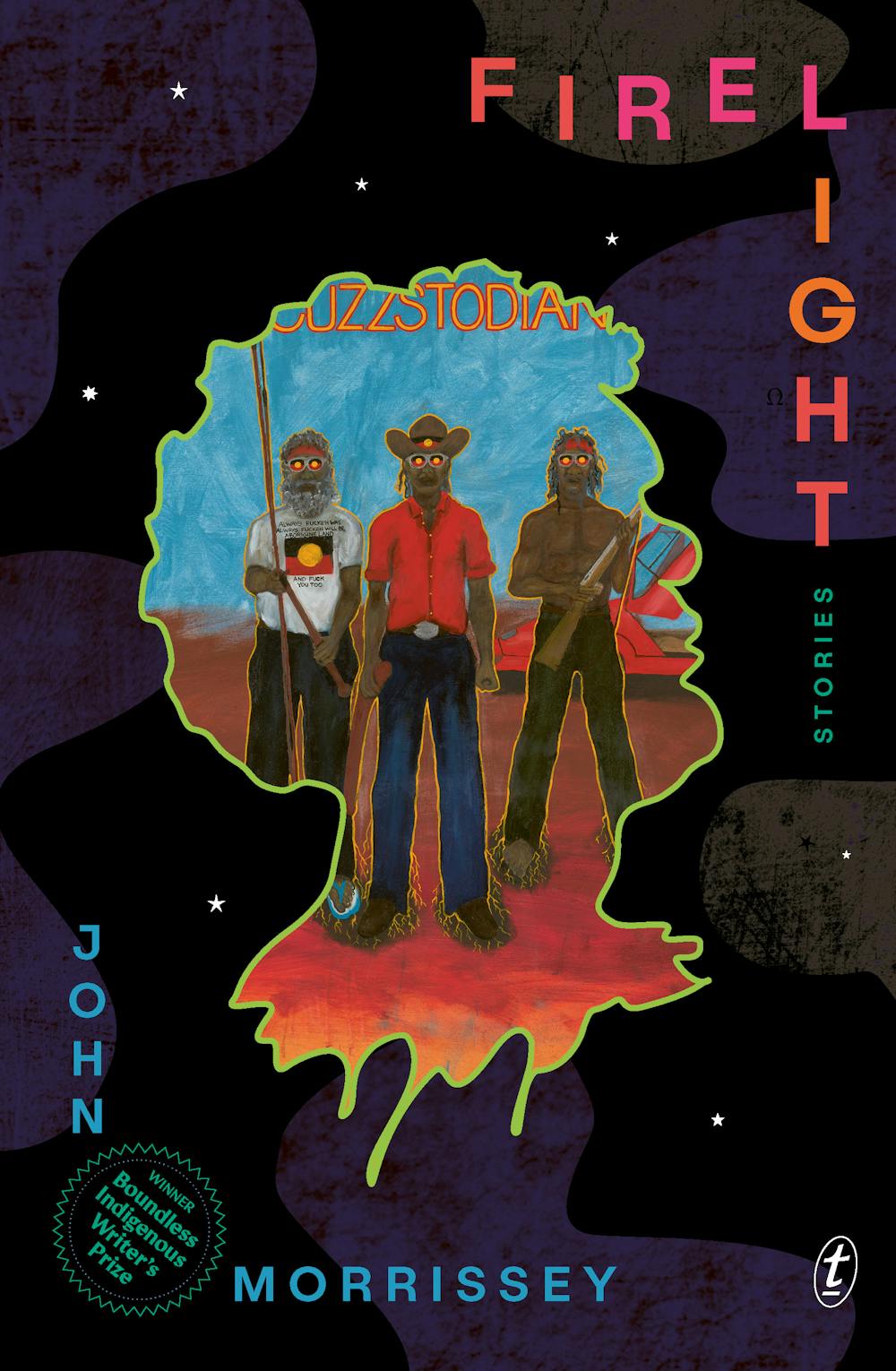 The opening story, Five Minutes, emphasises this alignment of strangeness and mundanity. In this narrative, a disillusioned government worker invents a story about the earth’s imminent destruction. In Australia, the settler population is instantly disintegrated by an impossibly advanced alien species, who then compassionately allow the Aboriginal population – in recognition of over 50,000 years of deep connection with Country – five additional minutes in which to say their goodbyes.
The cosmic unfairness of this narrative, where pleas for the value of life, history, culture are greeted with genial bemusement by alien invaders, reflects the narrator’s sense of helplessness and vulnerability in his job, his forced acquiescence to the conventions of office culture and the capricious control of his manager.
It is a pitiable fate to sell one’s dignity to survive. To have one’s dignity valued at nothing though, to see it brought back to you, shopworn and yellowed at the edges – surely that is worse.
Explorations of disconnection and alienation recur throughout the collection. Special Economic Zone focuses on the impoverished and unacknowledged daughter of a mining magnate. When he dies, she is forced to journey into the heart of his crumbling and corrupted empire to receive a dubious legacy. Ivy follows the restless wanderings of a young man as he descends into paranoia while caring for his elderly mother in the suburbs.
The opening story, Five Minutes, emphasises this alignment of strangeness and mundanity. In this narrative, a disillusioned government worker invents a story about the earth’s imminent destruction. In Australia, the settler population is instantly disintegrated by an impossibly advanced alien species, who then compassionately allow the Aboriginal population – in recognition of over 50,000 years of deep connection with Country – five additional minutes in which to say their goodbyes.
The cosmic unfairness of this narrative, where pleas for the value of life, history, culture are greeted with genial bemusement by alien invaders, reflects the narrator’s sense of helplessness and vulnerability in his job, his forced acquiescence to the conventions of office culture and the capricious control of his manager.
It is a pitiable fate to sell one’s dignity to survive. To have one’s dignity valued at nothing though, to see it brought back to you, shopworn and yellowed at the edges – surely that is worse.
Explorations of disconnection and alienation recur throughout the collection. Special Economic Zone focuses on the impoverished and unacknowledged daughter of a mining magnate. When he dies, she is forced to journey into the heart of his crumbling and corrupted empire to receive a dubious legacy. Ivy follows the restless wanderings of a young man as he descends into paranoia while caring for his elderly mother in the suburbs.
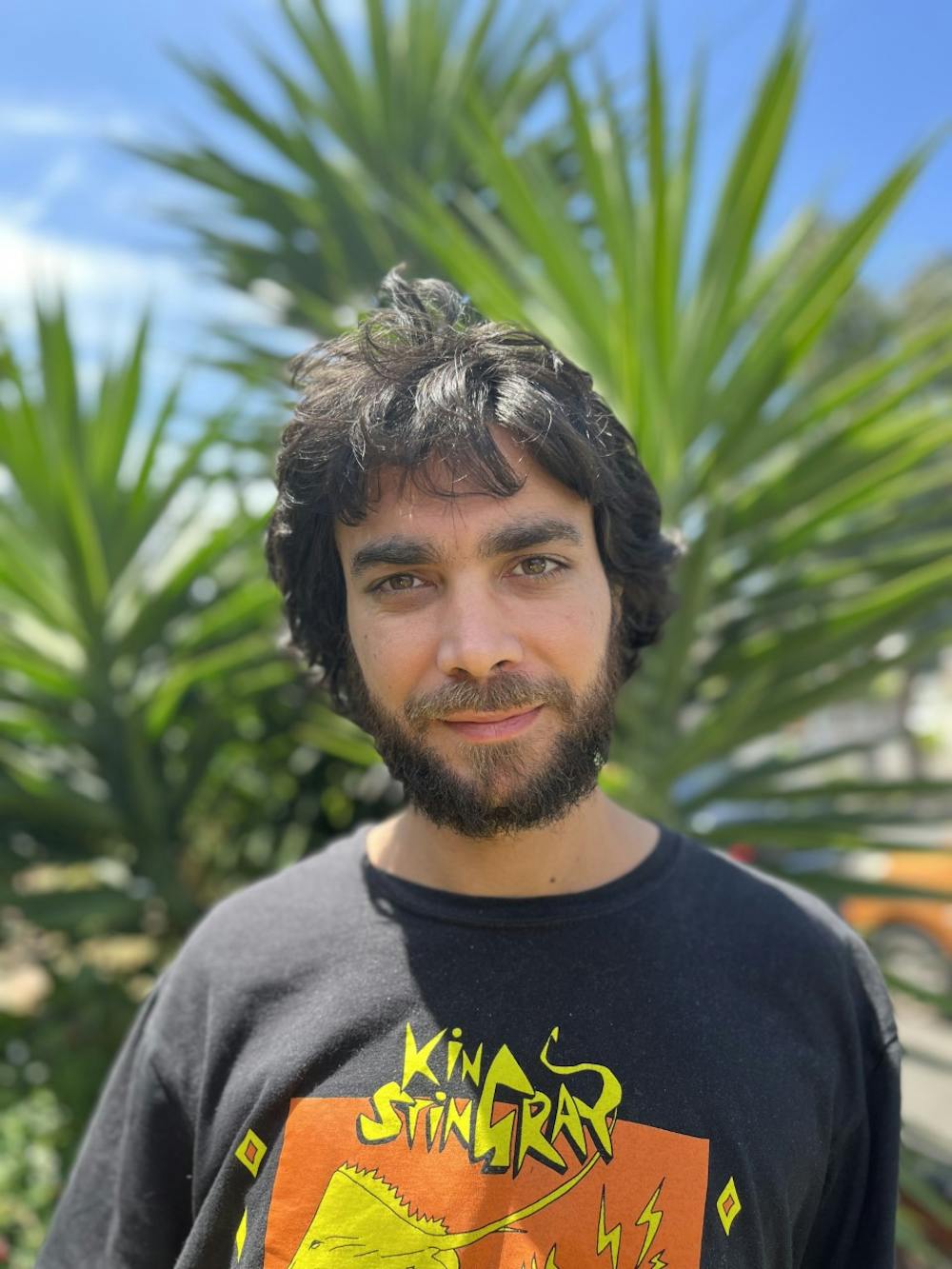 John Morrissey.
Two entries in the collection verge on being straightforward horror stories. The Rupture is classically Promethean speculative fiction, with a team of scientists attempting to restore the extinct thylacine, or Tasmanian Tiger, with unforeseen consequences.
The story recalls some of concerns about the treatment and exploitation of animals found in McKay’s Gunflower, questioning whether “scientific enquiry could not go hand in hand with love and compassion for non-human life”. Its ambiguous conclusion is wonderfully disturbing.
Read more:
Should we bring back the thylacine? We asked 5 experts
The final story, Tommy Norli, moves more in the direction of gothic horror, with a menacing ghost story about the crimes and legacies of colonial Australia.
To my mind, however, the stand-out pieces in this excellent collection are two novella-length narratives. The Last Penny offers up a harrowing family narrative about the life and death of the narrator’s brother Stephen, a youth pastor who is exposed as a notorious sexual predator.
Writing in prison, Stephen refers to an enigmatic vision that has been plaguing him – one that may relate to their shared past. This is another story that pushes into the territory of Australian Gothic, delving into hidden histories and the unresolved past. It begins in ordinary human horror and concludes with a nightmarish, surreal haunting.
John Morrissey.
Two entries in the collection verge on being straightforward horror stories. The Rupture is classically Promethean speculative fiction, with a team of scientists attempting to restore the extinct thylacine, or Tasmanian Tiger, with unforeseen consequences.
The story recalls some of concerns about the treatment and exploitation of animals found in McKay’s Gunflower, questioning whether “scientific enquiry could not go hand in hand with love and compassion for non-human life”. Its ambiguous conclusion is wonderfully disturbing.
Read more:
Should we bring back the thylacine? We asked 5 experts
The final story, Tommy Norli, moves more in the direction of gothic horror, with a menacing ghost story about the crimes and legacies of colonial Australia.
To my mind, however, the stand-out pieces in this excellent collection are two novella-length narratives. The Last Penny offers up a harrowing family narrative about the life and death of the narrator’s brother Stephen, a youth pastor who is exposed as a notorious sexual predator.
Writing in prison, Stephen refers to an enigmatic vision that has been plaguing him – one that may relate to their shared past. This is another story that pushes into the territory of Australian Gothic, delving into hidden histories and the unresolved past. It begins in ordinary human horror and concludes with a nightmarish, surreal haunting.
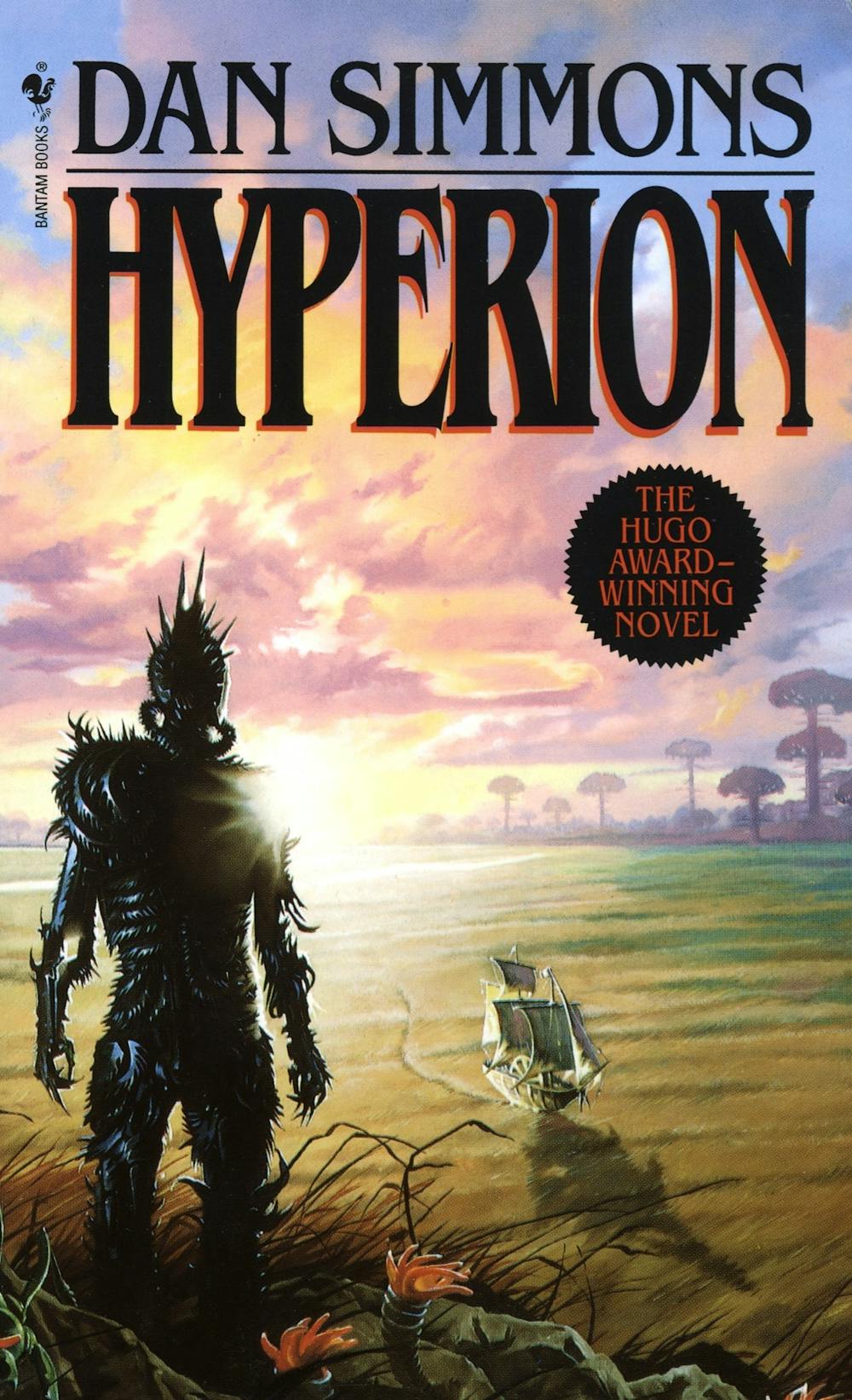 In Autoc, Morrissey fully leans into science-fiction tropes. The story is set in the distant future, after humanity has embarked on a project of interplanetary exploration. The premise of Autoc, which has some similarities to Dan Simmons’ sequence of space-opera novels, the Hyperion Cantos, sees humanity inevitably re-enacting cycles of colonisation.
Due to the asynchronous nature of space travel, latter colony ships end up conquering and eradicating the civilisations founded by the ships that arrived hundreds or thousands of years before them.
On one planet, the citizens of a civilisation called “the Commonwealth” live with the anxious awareness of a more advanced rival colony visibly expanding across the surface of their moon. While their existence is relatively peaceful and comfortable, they know one day their unknown enemy will strike.
In what will prove to be the Commonwealth’s final years, a young woman begins to discover stories and theories about the earlier inhabitants of the planet: the Autocs. Their remnants may indicate the presence of something even more mysterious and ancient. As one character puts it:
we can identify where our clever ancestors went wrong, sending out those ships. They thought the universe would be nice empty space – virgin soil. But there are other entities on the planet. The Autocs had the good sense to submit to them.
The vanished Autocs’ relation with these “other entities” may provide an alternative to the patterns of conquest and destruction that have entrapped the later generations of space-faring humans.
Read more:
Australian Gothic: from Hanging Rock to Nick Cave and Kylie, this genre explores our dark side
Firelight is a highly original and compelling collection. In this debut, Morrissey cleverly uses tropes of familiar genres to explore different facets of contemporary Australian life, particularly the legacy and experience of colonialism.
These three books are all innovative, bravely experimental and often unsettling Australian story collections. It is remarkable to see them all published in such close proximity to each other.
Authors: Julian Novitz, Senior Lecturer, Writing, Department of Media and Communication, Swinburne University of Technology
In Autoc, Morrissey fully leans into science-fiction tropes. The story is set in the distant future, after humanity has embarked on a project of interplanetary exploration. The premise of Autoc, which has some similarities to Dan Simmons’ sequence of space-opera novels, the Hyperion Cantos, sees humanity inevitably re-enacting cycles of colonisation.
Due to the asynchronous nature of space travel, latter colony ships end up conquering and eradicating the civilisations founded by the ships that arrived hundreds or thousands of years before them.
On one planet, the citizens of a civilisation called “the Commonwealth” live with the anxious awareness of a more advanced rival colony visibly expanding across the surface of their moon. While their existence is relatively peaceful and comfortable, they know one day their unknown enemy will strike.
In what will prove to be the Commonwealth’s final years, a young woman begins to discover stories and theories about the earlier inhabitants of the planet: the Autocs. Their remnants may indicate the presence of something even more mysterious and ancient. As one character puts it:
we can identify where our clever ancestors went wrong, sending out those ships. They thought the universe would be nice empty space – virgin soil. But there are other entities on the planet. The Autocs had the good sense to submit to them.
The vanished Autocs’ relation with these “other entities” may provide an alternative to the patterns of conquest and destruction that have entrapped the later generations of space-faring humans.
Read more:
Australian Gothic: from Hanging Rock to Nick Cave and Kylie, this genre explores our dark side
Firelight is a highly original and compelling collection. In this debut, Morrissey cleverly uses tropes of familiar genres to explore different facets of contemporary Australian life, particularly the legacy and experience of colonialism.
These three books are all innovative, bravely experimental and often unsettling Australian story collections. It is remarkable to see them all published in such close proximity to each other.
Authors: Julian Novitz, Senior Lecturer, Writing, Department of Media and Communication, Swinburne University of Technology 
















