

Modern Australian
The Times

50 years ago when the Middle East was at war, oil prices skyrocketed. But it probably won't happen this time.

  • Written by Jamie Cross, Assistant Professor of Econometrics & Statistics, Melbourne Business School
50 years ago when the Middle East was at war, oil prices skyrocketed. But it probably won't happen this time.

Global oil prices jumped after Israel declared war on Hamas in response to its unexpected attack on Israel on Saturday, the eve of the 50th anniversary of the 1973 Arab-Israeli War.

Back then, between late 1973 and early 1974, the world oil price almost quadrupled after the United States offered financial support to Israel in the Arab–Israeli War. The Organisation of Arab Petroleum Exporting Countries cut off oil exports to nations including the US, the United Kingdom, Canada and Japan.

Could it happen again? Although it has been said that history doesn’t repeat, but it rhymes, the answer is almost certainly no.

While there are uncanny similarities between the events of 1973 and today, there are more important differences.

This time it’s different

The 1973 war pitted Israel against two oil-producing nations: Egypt and Syria.

When the US offered support to Israel, the Organisation of Arab Petroleum Exporting Countries instituted an oil embargo, followed by a series of production cuts that pushed up world price of oil.

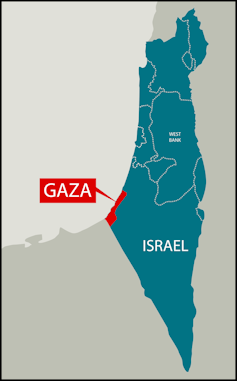
This 2023 war pits Israel against Hamas, the Islamist group that controls the tiny Gaza Strip, hemmed in by Israel, Egypt and the Mediterranean Sea.


Shutterstock Neither Gaza nor Israel produces much oil. The price increase has been short-lived It is possible that the oil-rich nation of Iran could become involved in the conflict. It is rumoured to have helped plan the Hamas attack, although its Supreme Leader, Ayatollah Ali Khamenei has denied Iran’s involvement. It is also possible that petroleum-exporting nations might cut supplies in a show of support for Hamas. But there is no current reason to believe this will happen, and there has been relatively little movement in the petroleum price. When Russia invaded Ukraine in 2022, the price of Brent crude jumped 15% from around US$95 per barrel to US$110. Russia had been the world’s third-biggest oil producer, pumping out about 10% of the world’s supply. In contrast, the Brent crude price closed on Friday (before the Hamas attack) at around US$84. It climbed to US$88 on Monday, then fell back to US$86 – well below even last month’s peak of US$94. Why was there an increase at all? Not every spike in oil prices is due to a shortage of supply. My research shows how jumps in demand can also play a role. These can be further categorised as “precautionary demand” and “speculative demand”. Precautionary demand is the demand for extra oil to hold in reserve, in case supply tightens. Speculative demand comes from investors expecting to profit from further price rises. Both push up the oil price. The good news is that both effects should be relatively short-lived, unless the unexpected happens. In this case, the effects so far have been small. Read more: No hike yet, but what happens on Melbourne Cup Day depends on petrol What would happen if prices did take off? As a relatively small and open economy, Australia would suffer from higher import prices if the price of oil surged. But research suggests the type of price hikes we’ve seen so far would have only a small impact, even if the price rises were sustained. The Hamas-Israel war pushed up oil prices by less than 5%, for about a day. If the 5% increase had been sustained, the research suggests Australia’s inflation rate would have been (at most) 0.3 percentage points higher, Australia’s GDP would have been about 1% lower and Australia’s real exchange rate would have been 2% lower. This means Australia’s Reserve Bank will be watching the oil price closely, but if the price remains stable (or at least no more unstable than it has been) the war is unlikely to prompt the bank to move interest rates. Authors: Jamie Cross, Assistant Professor of Econometrics & Statistics, Melbourne Business School

Read more https://theconversation.com/50-years-ago-when-the-middle-east-was-at-war-oil-prices-skyrocketed-but-it-probably-wont-happen-this-time-215523

Why Your Skin Breaks Out: The Science of Acne Explained

Acne is the most common skin condition in the world. An estimated 85% of people experience it at some point between the ages of 12 and 24, and a gro...

10 Swimwear Trends Australian Women Are Wearing This Summer

Every Australian summer brings a fresh wave of swimwear trends, but some styles have much greater staying power than others. While fashion constantly ...

Why Regular Skills Updates Are Essential for Licensed Security Officers

A guard at a Brisbane shopping centre gets a call about a shoplifter who's turned aggressive.  They’ve done the job for six years. But their de-...

10 Benefits of Choosing Professional Tutoring Penrith Services

Every student has unique learning strengths, challenges, and academic goals. While classroom teaching provides essential knowledge and structure, so...

Sunshine Coast Baby Classes Prove Big Hit Among First-Time Mums

There's a movement gaining traction on the Sunshine Coast, providing a village of support, socialisation and relief for first-time mothers and babie...

Father's Day Gift Ideas for Men Who Are Hard to Buy For

Some dads are easy to buy for. Others do not want anything, already have everything, or give you the classic "don't worry about me" answer every yea...

Top 5 Mistakes That Wear Out Your Brakes Faster

Brakes don't need frequent replacements like oil changes do.   But a lot of the wear happens quietly, over months, because of habits most drivers...

Plantation Shutters vs Curtains: Which Is Better for Your New Home?

Moving into a new home is an exciting opportunity to personalise your space and make it your own. While many homeowners focus on furniture, flooring...

Celebration of Life vs Traditional Funeral: What's the Difference?

When saying goodbye to someone you love, there is no single way to honour their life. Every family has different traditions, beliefs, and preference...

Building Approval for Roofing Projects: What Homeowners Need to Know

Roofing projects are an important part of maintaining and protecting your home. Whether you're repairing storm damage, replacing an ageing roof, or ...

Chatswood Tutoring And Its Role In Academic Achievement

Academic success often requires more than classroom attendance alone. Students face increasing expectations as they progress through school, particu...

Why Laser Hair Removal Treatments Continue Growing In Popularity

Managing unwanted hair can become time-consuming and frustrating for many people, especially when shaving, waxing, and other temporary methods requi...

Choosing the Right Devices for a Flexible Workplace

For IT leaders managing large fleets, the device layer is where workforce productivity and security policy meet. The shift towards flexible and hybrid...

How Business Advisory Services Help Companies Achieve Sustainable Growth

Every business owner aims to build a profitable and sustainable organisation. While dedication, innovation, and hard work are important, achieving l...

Why Body Contouring Has Become A Popular Cosmetic Treatment

Many people maintain healthy lifestyles through regular exercise and balanced eating habits but still struggle with stubborn areas of fat that are d...

How to Choose the Right POS Hardware for Your Business in Australia

A lot of Australian business owners spend weeks researching POS software but buy hardware almost as an afterthought. That's a mistake. The wrong har...

Why Material Handling Hose Is Critical for Industrial Efficiency

A high-performance material handling hose is an essential component in industries that transport abrasive, dry, or bulk materials on a daily basis...

How to Choose the Right Lawyer in Melbourne for Your Situation

Choosing legal support can feel difficult, especially when the stakes are personal or business-related. The right lawyer in Melbourne should underst...
















