

how women writers helped me find my voice after divorce
- Written by Jane Gleeson-White, Adjunct Lecturer, English and Creative Writing, UNSW Canberra, UNSW Sydney
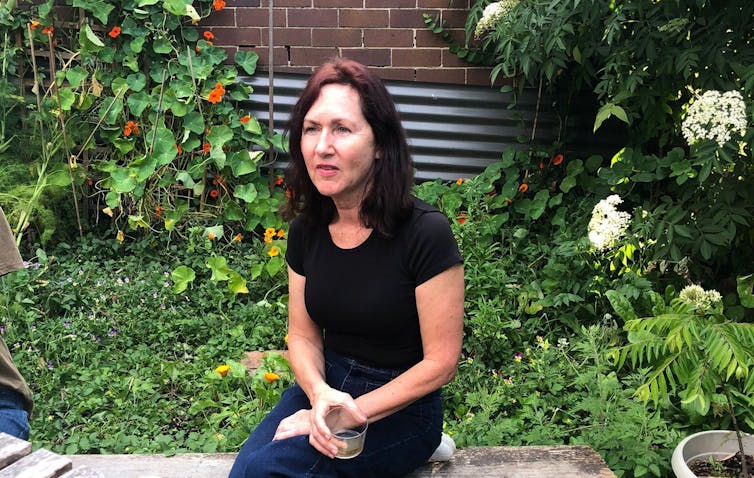
When my 25-year marriage broke down in 2017, I did what I always do in my life, especially in times of crisis. I turned to books. Specifically, to books by women.
Many, but not all of them, were in middle age, writing about their lives post-husbands – often post-intensive mothering too. They’d arrived at an unmarked place. There were no literary or narrative models to follow, in their lives or in their art. So they were making them up as they went.
My hunger for women’s voices was amplified by having spent a decade reading and listening almost exclusively to men, for the books I wrote on accounting.
I had no plan; it was an impulsive, almost life-saving need. The first book I picked up was an old favourite, Jane Austen’s Persuasion. In the slow unfolding of her final novel, Austen subjects her readers to the exquisite agony of watching its heroine Anne Elliott suffer a great and apparently hopeless love for her former suitor. Anne is gentle, reserved and bookish. But when moved, she’s passionate – outspoken about the force of women’s emotions, and inequality of opportunity:
Yes, yes, if you please, no reference to examples in books. Men have had every advantage of us in telling their own story. Education has been theirs in so much higher a degree; the pen has been in their hands.
Persuasion acted like a tuning fork, returning me to my bookish self. The self who’d made a blog called bookishgirl in 2010, before we’d both – blog and girl – become mired in stories written by men: economics and accounting, both blind to the value of nature and women.
Read more: Exes, alcohol and loose historical licence: why Netflix's Persuasion is Jane Austen via Fleabag
Literary motherline
Claiming her literary motherline is one of the impulses behind British writer Joanna Biggs’s new memoir A Life of One’s Own: Nine Women Writers Begin Again. Much as I did, Biggs turned to women writers to answer the many questions thrown up by her divorce – and her book is the result of this reading.
In an interview with Lizzie Simon, Biggs says many people have asked about her decision to write in this hybrid form: part memoir, part biographical essays and part literary criticism.
But Biggs didn’t decide it. The form grew organically from a particular moment in her life, when she was writing for the London Review of Books and experimenting with adding more memoir to her reviews, inspired by the autofiction of writers like Sheila Heti and Ben Lerner.
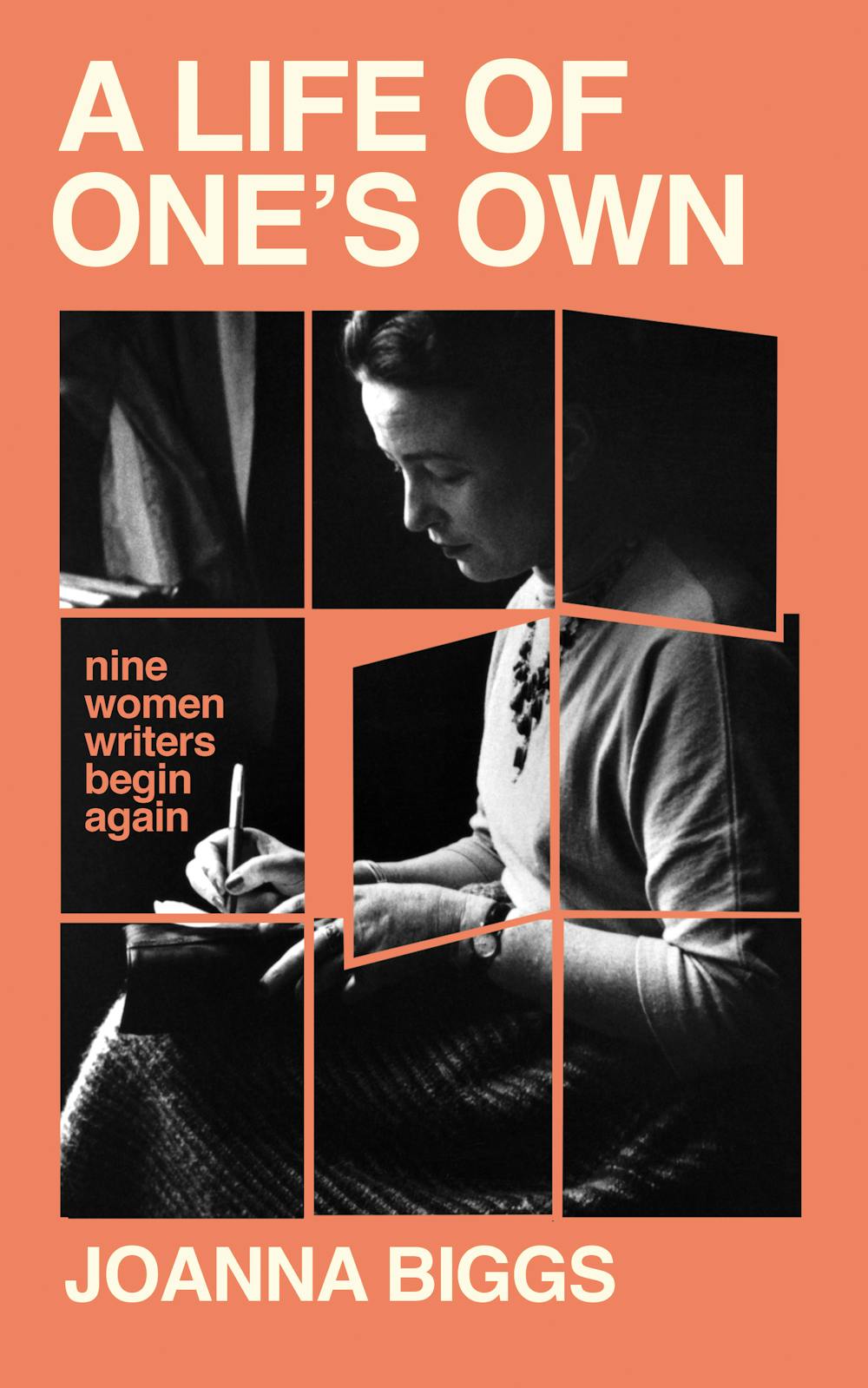 Biggs looks backwards, partly prompted by books her mother has given her and partly returning to writers she’s loved – Mary Wollstonecraft, George Eliot, Virginia Woolf, Sylvia Plath, Simone de Beauvoir – and reads Zora Neale Hurston and Toni Morrison for the first time.
In her last chapter, she turns to the present, reading Elena Ferrante as her novels storm the world – then rereading the Neapolitan quartet with friends.
Each chapter is devoted to an author, but their lives spill over into each other’s, creating themes that resonate with Biggs’s own experiences:
I watched them try to answer some of the questions I had. This book bears the traces of their struggles as well as my own – and some of the things we all found that help.
Biggs turns to these women not just to find new ways to live, but also to learn new modes of writing and reading. Having studied English and French literature at Oxford University, she’s trained herself out of reading with her emotions and into the “objective” reading of scholarship. Now she’s undoing that by allowing herself to read with her whole self fully engaged – the same way she’s learning to live.
Read more:
My favourite fictional character: I'll never forget these half-wild, 'too much' heroines – Philip Pullman's Lyra and Elena Ferrante's Lila
Women writers in flux
After reading Persuasion, I realised I wasn’t interested in the past. I wanted to know how and what women were writing now, especially about themselves in flux – at a time when marriage and all the inherited structures of our lives seem as stricken and prone to collapse as the world around us.
I quickly discovered I couldn’t have had a more readily satisfied desire. In terms of my reading life, I was in the best of all possible worlds. I read everything I could find by Elena Ferrante, Maggie Nelson, Sheila Heti and Anne Carson. I read lots of Rachel Cusk, Deborah Levy and Olivia Laing, among so many others.
Unlike Biggs, who in 2020 decided to read a book a week to combat her depression and created what she endearingly calls an “embarrassing spreadsheet” to keep track of it, there was no structure to my reading. But I seemed to be guided to books that spoke to my many challenges as I moved beyond my marriage.
Biggs looks backwards, partly prompted by books her mother has given her and partly returning to writers she’s loved – Mary Wollstonecraft, George Eliot, Virginia Woolf, Sylvia Plath, Simone de Beauvoir – and reads Zora Neale Hurston and Toni Morrison for the first time.
In her last chapter, she turns to the present, reading Elena Ferrante as her novels storm the world – then rereading the Neapolitan quartet with friends.
Each chapter is devoted to an author, but their lives spill over into each other’s, creating themes that resonate with Biggs’s own experiences:
I watched them try to answer some of the questions I had. This book bears the traces of their struggles as well as my own – and some of the things we all found that help.
Biggs turns to these women not just to find new ways to live, but also to learn new modes of writing and reading. Having studied English and French literature at Oxford University, she’s trained herself out of reading with her emotions and into the “objective” reading of scholarship. Now she’s undoing that by allowing herself to read with her whole self fully engaged – the same way she’s learning to live.
Read more:
My favourite fictional character: I'll never forget these half-wild, 'too much' heroines – Philip Pullman's Lyra and Elena Ferrante's Lila
Women writers in flux
After reading Persuasion, I realised I wasn’t interested in the past. I wanted to know how and what women were writing now, especially about themselves in flux – at a time when marriage and all the inherited structures of our lives seem as stricken and prone to collapse as the world around us.
I quickly discovered I couldn’t have had a more readily satisfied desire. In terms of my reading life, I was in the best of all possible worlds. I read everything I could find by Elena Ferrante, Maggie Nelson, Sheila Heti and Anne Carson. I read lots of Rachel Cusk, Deborah Levy and Olivia Laing, among so many others.
Unlike Biggs, who in 2020 decided to read a book a week to combat her depression and created what she endearingly calls an “embarrassing spreadsheet” to keep track of it, there was no structure to my reading. But I seemed to be guided to books that spoke to my many challenges as I moved beyond my marriage.
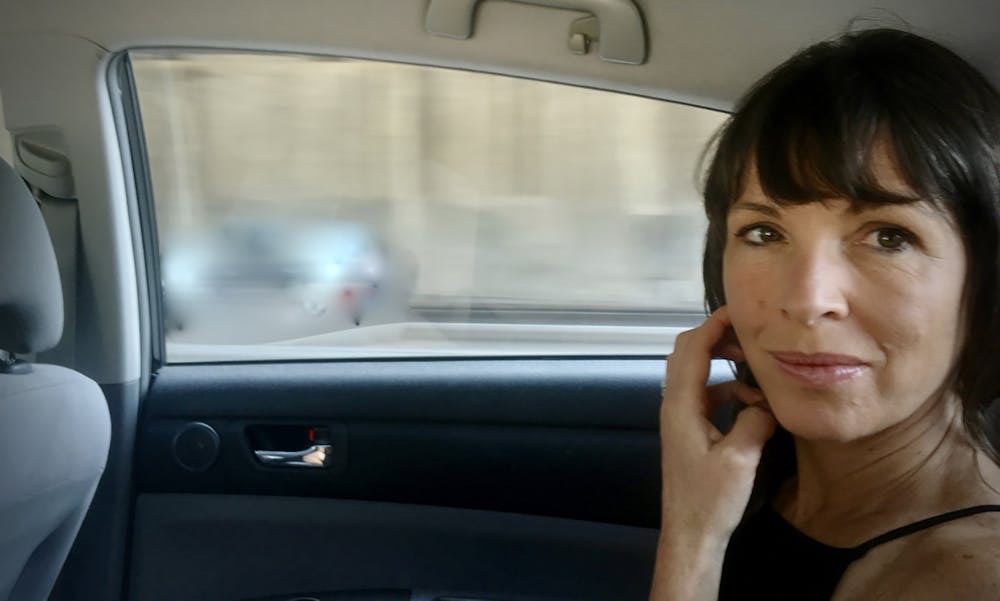 ‘I read lots of Rachel Cusk, Deborah Levy and Olivia Laing.’ Pictured: Rachel Cusk.
Siemon Scamell Katz
In 2017, soon after my husband moved out and I was ostensibly free, I wrote on a psychologist’s form: I can’t find my voice. I cannot speak.
What is your problem? it asked. I cannot say I, I replied.
Given I was an experienced writer in midlife, it felt bewildering and shameful to have to confess this. The person I’d been had written in a cool, objective voice, which was regularly remarked upon by male correspondents:
I have by chance come across your book and have to write to say what a marvel it is […] It is totally objective (typically, now, books often seem to remind the reader who the author is, and what he/she is experiencing – as if we care!).
But suddenly what the author was experiencing was all I cared about.
In Things I Don’t Want to Know, Deborah Levy spoke straight to my turmoil. It takes repeated acts of will, as a woman, to learn to say I, she writes.
It’s exhausting to learn how to become a subject; it’s hard enough learning how to become a writer.
‘I read lots of Rachel Cusk, Deborah Levy and Olivia Laing.’ Pictured: Rachel Cusk.
Siemon Scamell Katz
In 2017, soon after my husband moved out and I was ostensibly free, I wrote on a psychologist’s form: I can’t find my voice. I cannot speak.
What is your problem? it asked. I cannot say I, I replied.
Given I was an experienced writer in midlife, it felt bewildering and shameful to have to confess this. The person I’d been had written in a cool, objective voice, which was regularly remarked upon by male correspondents:
I have by chance come across your book and have to write to say what a marvel it is […] It is totally objective (typically, now, books often seem to remind the reader who the author is, and what he/she is experiencing – as if we care!).
But suddenly what the author was experiencing was all I cared about.
In Things I Don’t Want to Know, Deborah Levy spoke straight to my turmoil. It takes repeated acts of will, as a woman, to learn to say I, she writes.
It’s exhausting to learn how to become a subject; it’s hard enough learning how to become a writer.
 Things I Don’t Want to Know is the first iteration of Levy’s “living autobiography”, a form she invented for writing her life while still living it, catching it on the wing as she travelled through her days after ending her own long marriage.
Reading Levy, I began to understand that for a woman, saying “I” was not a given. It was a learned skill. I had to practise it, to will it repeatedly. Levy was not the only author who shed light on my confounding experience.
Anne Carson is illuminating on the leaden weight of history stacked against the female voice. In her essay The Gender of Sound, she writes:
Madness and witchery as well as bestiality are conditions commonly associated with the use of the female voice in public, in ancient as well as modern contexts. The high pitched and horrendous voices of the ancient female furies are compared by Aeschylus to howling dogs.
It’s as if the entire female gender “were a kind of collective bad memory of unspeakable things”, which the patriarchal order feels obliged to channel into politically correct containers. Freud believed “a thinking man” is his own legislator and obtains his own absolution. But a woman does not have
the measure of ethics in herself. She can only act if she keeps within the limits of morality, following what society has established as fitting.
So in ways that became very real for me, I learnt that to speak as a woman is to transgress.
Transgression and transition
Transgression is key to Maggie Nelson’s creative practice. In The Argonauts, her breakthrough work of creative nonfiction, she borrows poet Eileen Myles’s idea of a poem as a party to make a literary form mutable enough to convey transfiguration.
Notably, her own transition from pregnancy to new motherhood; and her partner Harry Dodge’s transition through injecting testosterone as he prepares for, undergoes and recovers from top surgery.
At her party on the page, Nelson gathers people who’d never be seen together in real life and sits them beside each other, so they must converse. You feel its electrifying force from the opening page, where she juxtaposes a tryst with her new lover, Dodge, with philosopher Ludwig Wittgenstein:
You had Molloy by your bedside and a stack of cocks in a shadowy unused shower stall. Does it get any better? What’s your pleasure? you asked, then stuck around for an answer.
Before we met, I had spent a lifetime devoted to Wittgenstein’s idea that the inexpressible is contained – inexpressibly! – in the expressed. This idea gets less air time than his more reverential Whereof one cannot speak thereof one must be silent, but it is, I think, the deeper idea. Its paradox is, quite literally, why I write, or how I feel able to keep writing.
Things I Don’t Want to Know is the first iteration of Levy’s “living autobiography”, a form she invented for writing her life while still living it, catching it on the wing as she travelled through her days after ending her own long marriage.
Reading Levy, I began to understand that for a woman, saying “I” was not a given. It was a learned skill. I had to practise it, to will it repeatedly. Levy was not the only author who shed light on my confounding experience.
Anne Carson is illuminating on the leaden weight of history stacked against the female voice. In her essay The Gender of Sound, she writes:
Madness and witchery as well as bestiality are conditions commonly associated with the use of the female voice in public, in ancient as well as modern contexts. The high pitched and horrendous voices of the ancient female furies are compared by Aeschylus to howling dogs.
It’s as if the entire female gender “were a kind of collective bad memory of unspeakable things”, which the patriarchal order feels obliged to channel into politically correct containers. Freud believed “a thinking man” is his own legislator and obtains his own absolution. But a woman does not have
the measure of ethics in herself. She can only act if she keeps within the limits of morality, following what society has established as fitting.
So in ways that became very real for me, I learnt that to speak as a woman is to transgress.
Transgression and transition
Transgression is key to Maggie Nelson’s creative practice. In The Argonauts, her breakthrough work of creative nonfiction, she borrows poet Eileen Myles’s idea of a poem as a party to make a literary form mutable enough to convey transfiguration.
Notably, her own transition from pregnancy to new motherhood; and her partner Harry Dodge’s transition through injecting testosterone as he prepares for, undergoes and recovers from top surgery.
At her party on the page, Nelson gathers people who’d never be seen together in real life and sits them beside each other, so they must converse. You feel its electrifying force from the opening page, where she juxtaposes a tryst with her new lover, Dodge, with philosopher Ludwig Wittgenstein:
You had Molloy by your bedside and a stack of cocks in a shadowy unused shower stall. Does it get any better? What’s your pleasure? you asked, then stuck around for an answer.
Before we met, I had spent a lifetime devoted to Wittgenstein’s idea that the inexpressible is contained – inexpressibly! – in the expressed. This idea gets less air time than his more reverential Whereof one cannot speak thereof one must be silent, but it is, I think, the deeper idea. Its paradox is, quite literally, why I write, or how I feel able to keep writing.
 Maggie Nelson.
John D. and Catherine T. MacArthur Foundation, CC BY-SA
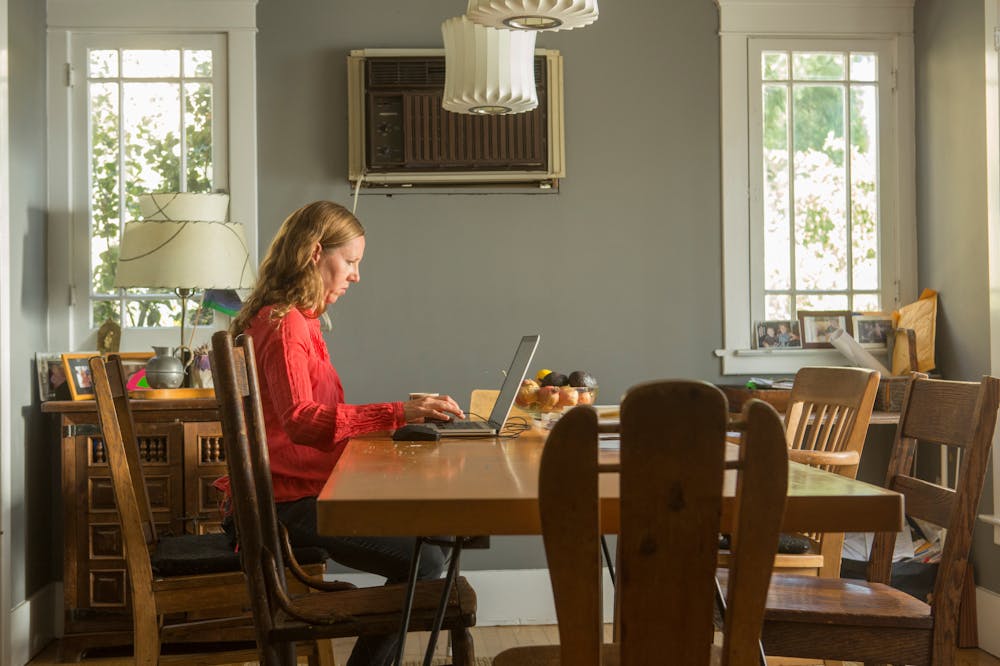
Olivia Laing does something similar in her memoir-in-essays, The Lonely City, in which she charts her own season of liminality after a breakup, via conversations with the art and lives of others.
Suddenly alone in New York City after the man she’s moved there for changes his mind, she makes loneliness her subject. In the absence of love, she finds solace and communion in the city itself, and in the work and lives of artists. It’s here, in visual art and its associated materials (letters, manuscripts, archives) that she begins to find company in her chronic isolation.
I came to The Lonely City at a particularly lonely moment in my own life: April 2020, when all the casual dates, spontaneous beers, snap decisions to eat at my corner bar vanished, all suddenly forbidden by Sydney’s lockdown laws.
Maggie Nelson.
John D. and Catherine T. MacArthur Foundation, CC BY-SA
Olivia Laing does something similar in her memoir-in-essays, The Lonely City, in which she charts her own season of liminality after a breakup, via conversations with the art and lives of others.
Suddenly alone in New York City after the man she’s moved there for changes his mind, she makes loneliness her subject. In the absence of love, she finds solace and communion in the city itself, and in the work and lives of artists. It’s here, in visual art and its associated materials (letters, manuscripts, archives) that she begins to find company in her chronic isolation.
I came to The Lonely City at a particularly lonely moment in my own life: April 2020, when all the casual dates, spontaneous beers, snap decisions to eat at my corner bar vanished, all suddenly forbidden by Sydney’s lockdown laws.
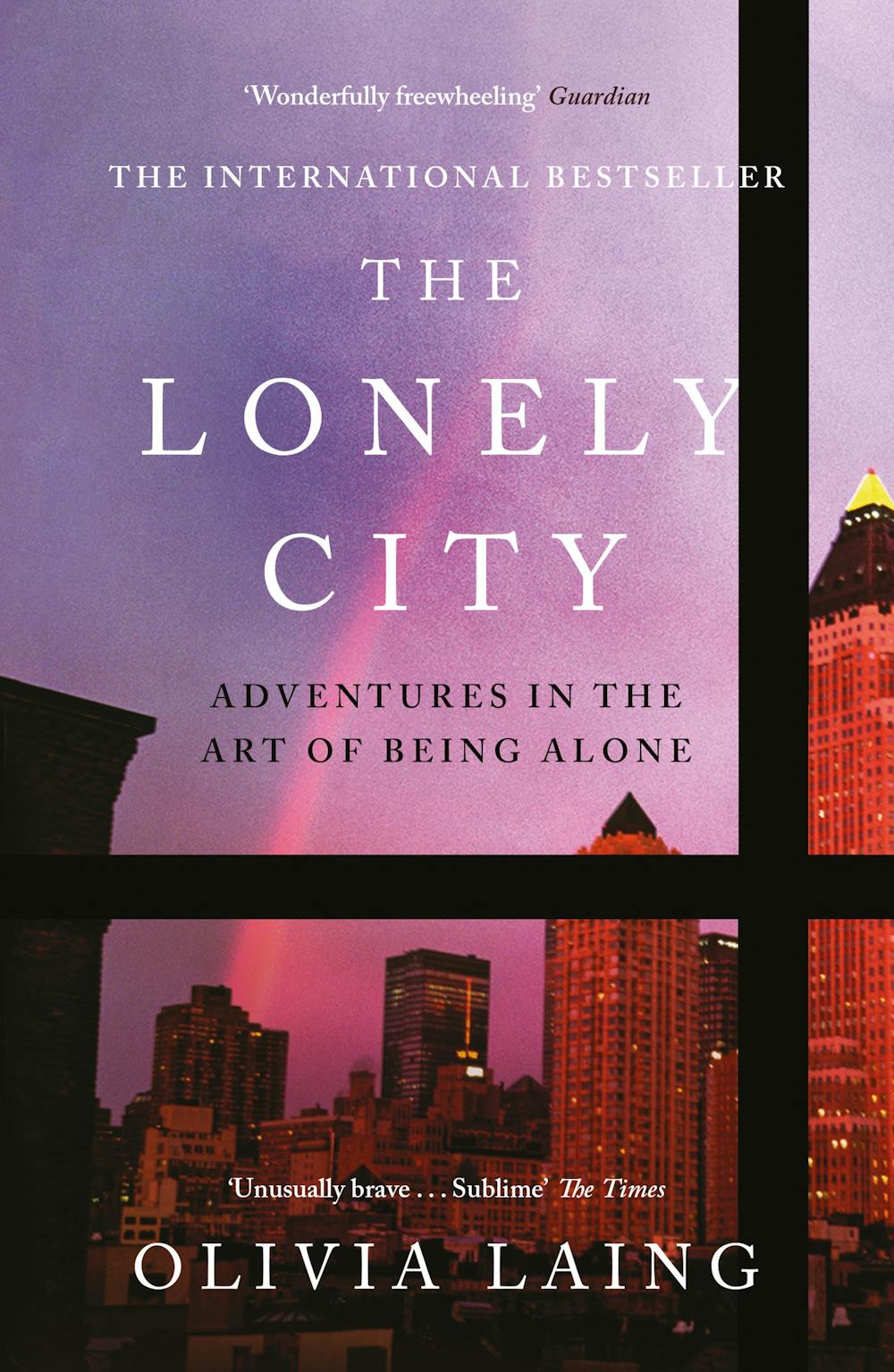 Laing’s opening pages, where she introduces her subject and her own uncomfortable immersion in it, reverberate with such raw pain and fathomless need, I found them almost too distressing to read.
But Laing’s prose flows seamlessly as she crawls through the endless days, her mind wandering, alighting on a new theme, a new artist. And each artist brings with them a community of friends, collaborators, lovers and/or kindred spirits, and characters recur – so it weaves together like an all night party on the Lower East Side, paradoxically becoming immensely companionable.
‘Searching for a missing female character’
It seems important to speak of new forms now, especially for women, in life as well as art, because these conversations are everywhere. I’ve talked to an army of women in similar situations since my marriage broke down. They speak of their broken hearts, ruined futures, crushing loneliness, rage. Some are looking for work, housing, sex or love; others for reinvention, adventure, freedom, meaning. Or all of the above.
Most of us are working out how or who we might be beyond our relationships with others, mostly men. And some of us are wondering how to write our newly visible protean selves, entangled in a world that feels distressed in every realm.
Like Levy, it seems we’re all “still searching for a missing female character”. As she asks in Real Estate:
Who is she? That is the question I was starting to ask in all my books. Not who am I, though that comes into it. How does she get along in the world that voided her?
Despite six years of living, reading and writing since my divorce, my subject – or perhaps my subjectivity – is still not quite clear to me. In ways I can’t gloss over, my life and my writing remain uncertain. Messy.
In the early hours, this unknowing can still feel perilous, shameful, especially given I’m a grown woman with two adult children. Soon after I began writing this essay, I woke from a nightmare at 5am with these words in my head, spoken from the future:
What did you do as the world burned and we ran out of diesel and food?
The question was asked by my conscience, or perhaps by my children. By all the children.
Laing’s opening pages, where she introduces her subject and her own uncomfortable immersion in it, reverberate with such raw pain and fathomless need, I found them almost too distressing to read.
But Laing’s prose flows seamlessly as she crawls through the endless days, her mind wandering, alighting on a new theme, a new artist. And each artist brings with them a community of friends, collaborators, lovers and/or kindred spirits, and characters recur – so it weaves together like an all night party on the Lower East Side, paradoxically becoming immensely companionable.
‘Searching for a missing female character’
It seems important to speak of new forms now, especially for women, in life as well as art, because these conversations are everywhere. I’ve talked to an army of women in similar situations since my marriage broke down. They speak of their broken hearts, ruined futures, crushing loneliness, rage. Some are looking for work, housing, sex or love; others for reinvention, adventure, freedom, meaning. Or all of the above.
Most of us are working out how or who we might be beyond our relationships with others, mostly men. And some of us are wondering how to write our newly visible protean selves, entangled in a world that feels distressed in every realm.
Like Levy, it seems we’re all “still searching for a missing female character”. As she asks in Real Estate:
Who is she? That is the question I was starting to ask in all my books. Not who am I, though that comes into it. How does she get along in the world that voided her?
Despite six years of living, reading and writing since my divorce, my subject – or perhaps my subjectivity – is still not quite clear to me. In ways I can’t gloss over, my life and my writing remain uncertain. Messy.
In the early hours, this unknowing can still feel perilous, shameful, especially given I’m a grown woman with two adult children. Soon after I began writing this essay, I woke from a nightmare at 5am with these words in my head, spoken from the future:
What did you do as the world burned and we ran out of diesel and food?
The question was asked by my conscience, or perhaps by my children. By all the children.
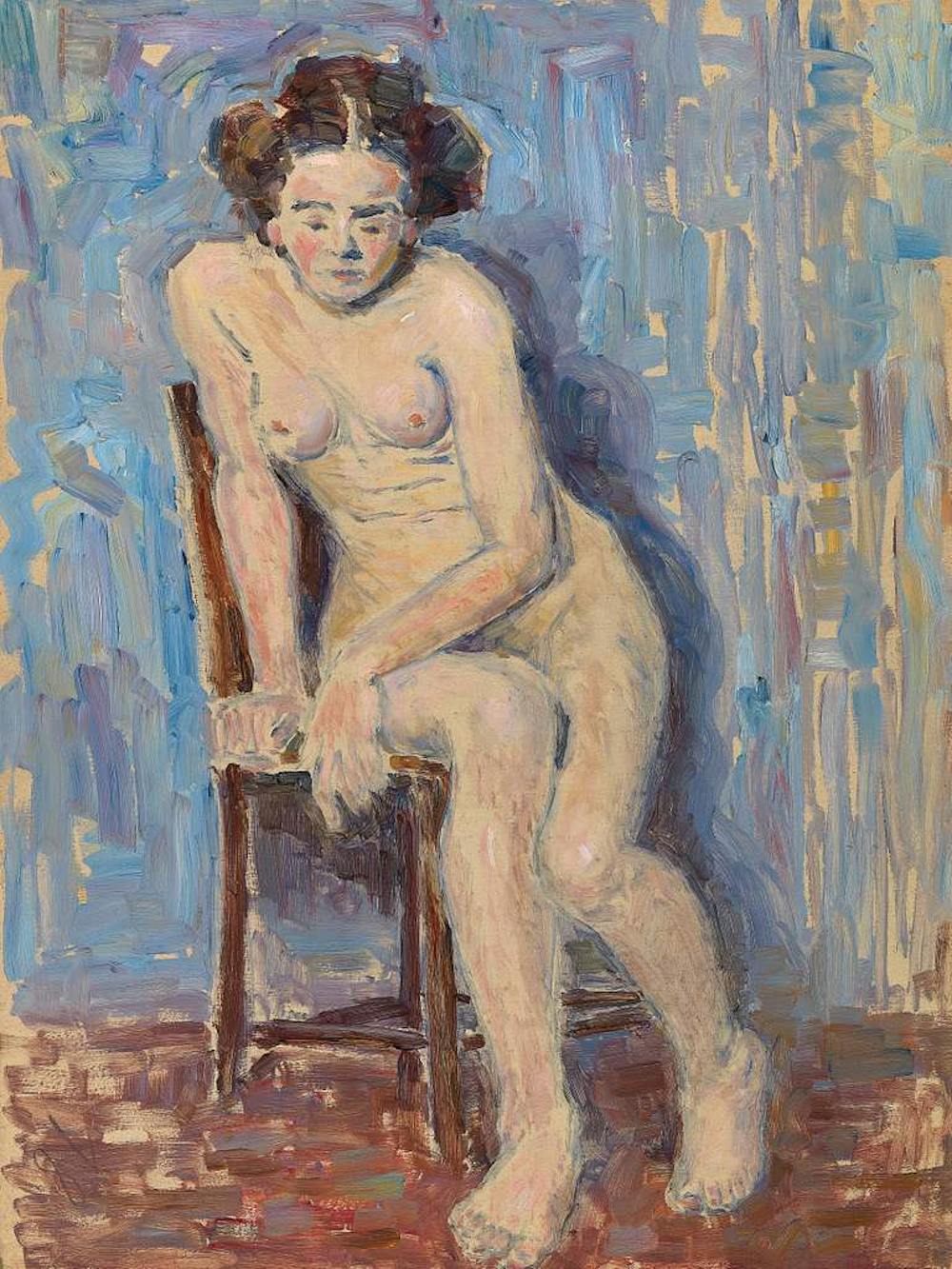 ‘I painted myself naked. I was birthing myself.’
Emil Von Gerliczy/Public Domain Media
My reply came: I painted myself naked. I was birthing myself, re-birthing myself, through my own self-regard. As hundreds of women have done before me.
This need to remake myself was precipitated by my mother’s death in 2015 and the end of my marriage two years later. With shocking speed, these two events radically shifted my focus in life and writing from the outside world to my inner being, which lay parched and untended, overgrown with voices that were not my own.
As my married life of caring for and writing about others collapsed, the work that became urgent was a grindingly slow and painful process of self-examination and reinvention. On most days, this felt (and still feels) self-indulgent, in both life and writing. Even verging on heretical – an act against the received orthodoxies of care, of motherhood, of womanhood itself? – despite the bigger questions it’s led me to. And despite its absolute necessity.
‘I painted myself naked. I was birthing myself.’
Emil Von Gerliczy/Public Domain Media
My reply came: I painted myself naked. I was birthing myself, re-birthing myself, through my own self-regard. As hundreds of women have done before me.
This need to remake myself was precipitated by my mother’s death in 2015 and the end of my marriage two years later. With shocking speed, these two events radically shifted my focus in life and writing from the outside world to my inner being, which lay parched and untended, overgrown with voices that were not my own.
As my married life of caring for and writing about others collapsed, the work that became urgent was a grindingly slow and painful process of self-examination and reinvention. On most days, this felt (and still feels) self-indulgent, in both life and writing. Even verging on heretical – an act against the received orthodoxies of care, of motherhood, of womanhood itself? – despite the bigger questions it’s led me to. And despite its absolute necessity.
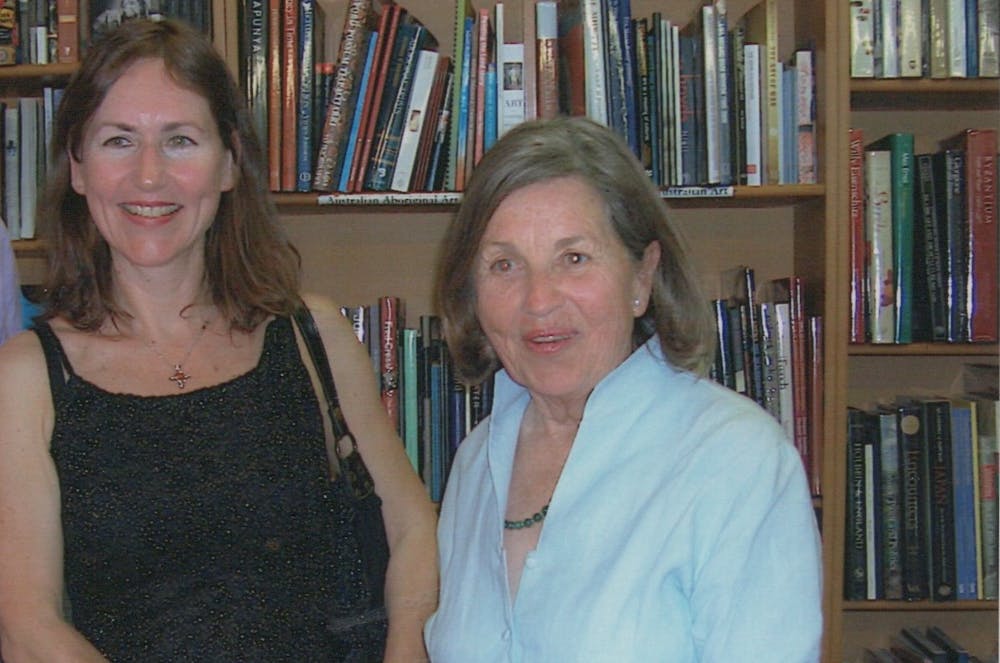 ‘This need to remake myself was precipitated by my mother’s death in 2015 and the end of my marriage two years later.’ Jane Gleeson-White is pictured with her mother in 2005.
‘This sort of life can have beauty in it’
Biggs asks herself a similar question at the outset of A Life of One’s Own. In the wake of her mother’s diagnosis with Alzheimer’s and the end of her marriage, Biggs is filled with questions: about love and feminism, what’s worth living for, and how you might write about this. And, importantly,
How would this not be seen as a problem of privilege, a childish demand for definition, narcissistic self-involvement when the world was burning? Wouldn’t I be better off giving away all I have and putting down my books, my movies, my headphones and my pen?
A large part of me still answers yes to her questions, on my own behalf. And yet the need remains. Every time I’ve fallen, however inadvertently, into the familiar grooves of my old life – from fiery affairs with distant men, to writing about the missing value of care work and the natural world in economic measures – something breaks down: me, the relationship, the man. Sometimes all three. I’m reminded again and again of this simple truth: change happens, things break down.
Biggs’s book is her answer to whether this need to reinvent ourselves is an indulgence. No. It’s vital work.
The questions felt urgent as well as overwhelming. At times I couldn’t face the page – printed or blank – at all. I needed to remind myself that starting out on my own again halfway through life is possible, has been possible for others – and that this sort of life can have beauty in it.
Her mother’s Alzheimer’s shakes Biggs’s world. She begins to question the life she’s made and how it fits with her becoming as a writer. In her early 30s, she’s married to a man she met at 19 who wants children as she does not, yet (or ever?). Despite how settled her life feels, she knows she must upend it. Discussions with her husband and experiments with open marriage only convince her of this. He moves out – and she removes her wedding ring and claims her freedom. All this happens by the end of the second page.
Questions about her marriage, lovers, and possible future partners and children are scattered through the subsequent pages; one of Biggs’s driving questions is: what sort of marriage, if any, is possible between a woman who writes and a man?
‘This need to remake myself was precipitated by my mother’s death in 2015 and the end of my marriage two years later.’ Jane Gleeson-White is pictured with her mother in 2005.
‘This sort of life can have beauty in it’
Biggs asks herself a similar question at the outset of A Life of One’s Own. In the wake of her mother’s diagnosis with Alzheimer’s and the end of her marriage, Biggs is filled with questions: about love and feminism, what’s worth living for, and how you might write about this. And, importantly,
How would this not be seen as a problem of privilege, a childish demand for definition, narcissistic self-involvement when the world was burning? Wouldn’t I be better off giving away all I have and putting down my books, my movies, my headphones and my pen?
A large part of me still answers yes to her questions, on my own behalf. And yet the need remains. Every time I’ve fallen, however inadvertently, into the familiar grooves of my old life – from fiery affairs with distant men, to writing about the missing value of care work and the natural world in economic measures – something breaks down: me, the relationship, the man. Sometimes all three. I’m reminded again and again of this simple truth: change happens, things break down.
Biggs’s book is her answer to whether this need to reinvent ourselves is an indulgence. No. It’s vital work.
The questions felt urgent as well as overwhelming. At times I couldn’t face the page – printed or blank – at all. I needed to remind myself that starting out on my own again halfway through life is possible, has been possible for others – and that this sort of life can have beauty in it.
Her mother’s Alzheimer’s shakes Biggs’s world. She begins to question the life she’s made and how it fits with her becoming as a writer. In her early 30s, she’s married to a man she met at 19 who wants children as she does not, yet (or ever?). Despite how settled her life feels, she knows she must upend it. Discussions with her husband and experiments with open marriage only convince her of this. He moves out – and she removes her wedding ring and claims her freedom. All this happens by the end of the second page.
Questions about her marriage, lovers, and possible future partners and children are scattered through the subsequent pages; one of Biggs’s driving questions is: what sort of marriage, if any, is possible between a woman who writes and a man?
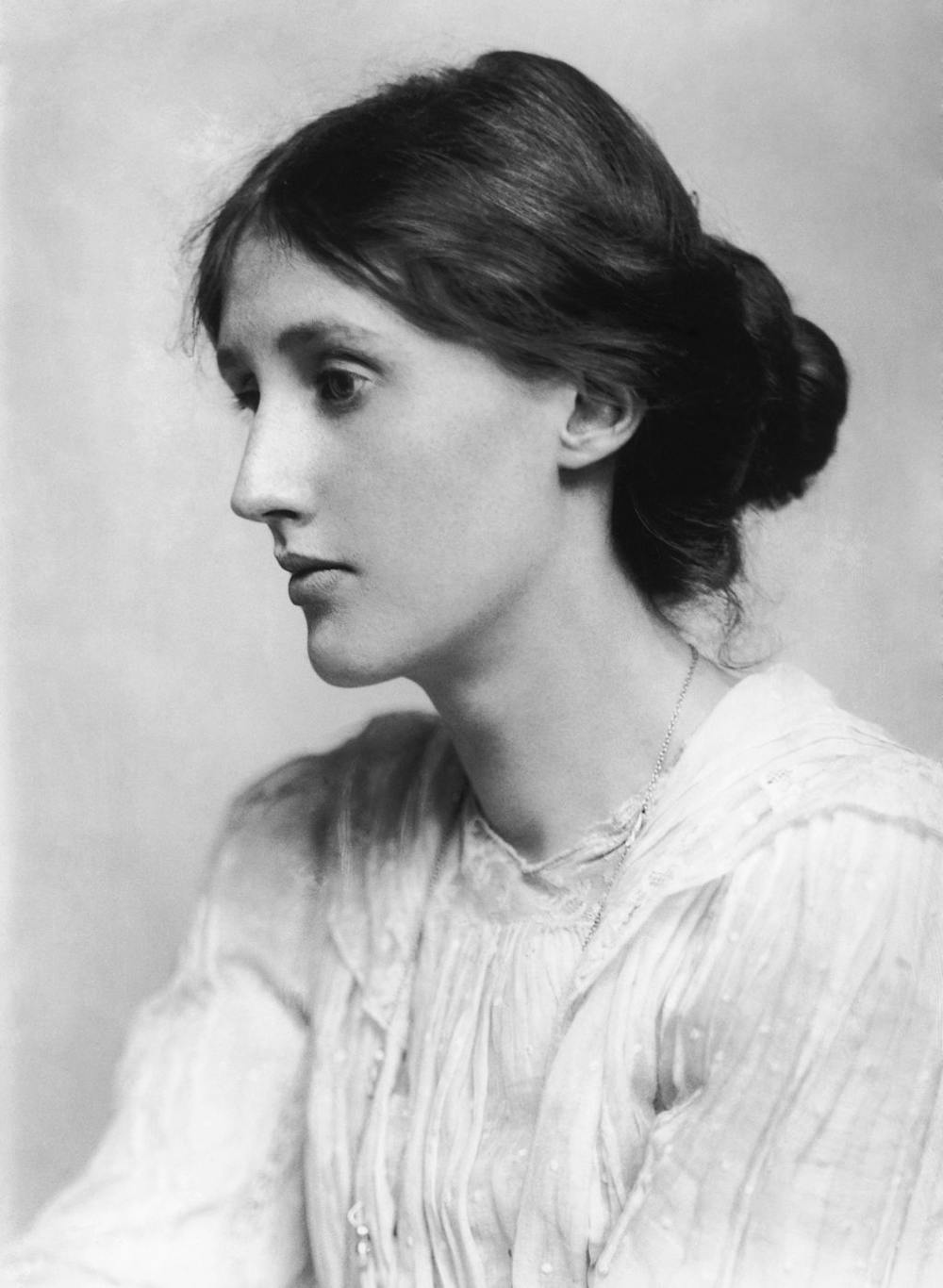 Virginia Woolf was obsessed by her mother until she was 44.
George Charles Beresford
But as its title from Virginia Woolf suggests, A Life of One’s Own is primarily about women, their lives, writing and relationships with each other. Its emotional force lies in Biggs’s portrayal of her tender and loving relationship with her mother – and in her relationships with women friends, and the authors and books she reads.
The threads of Biggs’s exploration – memoir, biography and literary critique – fuse with particular grace in her chapter on Woolf, which is concerned with the emotionally charged, intractable subject of mothers. Woolf wrote that she was obsessed by her mother until she was 44, when To the Lighthouse offered her an outlet:
I wrote the book very quickly; and when it was written, I ceased to be obsessed by my mother. I no longer hear her voice; I do not see her.
Biggs seamlessly combines Woolf’s work and milieu with her own experience of her mother’s deteriorating mind and the dreaded day when she no longer recognises her own daughter.
And I remind myself still, with Woolf, that a mother is always a mystery; she has lived so much of her life before you were even born.
And in turn, witnessing her mother’s fading mind opens her to new understandings of Woolf’s literary experiments. She now sees their aim as conveying “the workings of disordered and vulnerable minds”, or the way centuries of oppression “act on a woman when she sits down to write something”.
Mothers loom large
When I was 18, inspired by the tempestuous novels of D.H. Lawrence, I began turning my own passionate love affairs into fiction. But every attempt was derailed by the unwelcome arrival of a mother figure. This astonished my teenage self. Only after her death and the end of my marriage did I begin to accept that the hidden life of my mother was partly, mostly, my subject.
Mothers loom large in the books by women I read. I’m not sure why I initially found it so surprising that other women should be as preoccupied with mothers and motherhood as I am. Is it because, despite all the rhetoric, frank public discussion of mothers is taboo?
In ways I find almost terrifying in their candour and dispassion, Rachel Cusk’s portraits of motherhood and maternal ambivalence are among my favourite. She writes:
My mother and I don’t speak to each other any more. […] The loss of a parent-child relationship is a fact. It is also a failure.
Discussing Aeschylus’s Oresteia – in which Orestes, encouraged by his sister Electra, murders their mother Clytemnestra – with a male theatre director, Cusk summarises:
They hate their mother for the fact that she has disposed of their father. They have come to resent maternal power so much that they destroy it. Instead they reverence the paternal, which is all image – their father, Agamemnon, was away fighting gloriously in Troy for most of their lives – where their actual mother is all actuality. They crush and disdain that actual parent in pursuit of the imagistic father whose value is recognised out in the world. Sound familiar? I ask.
Virginia Woolf was obsessed by her mother until she was 44.
George Charles Beresford
But as its title from Virginia Woolf suggests, A Life of One’s Own is primarily about women, their lives, writing and relationships with each other. Its emotional force lies in Biggs’s portrayal of her tender and loving relationship with her mother – and in her relationships with women friends, and the authors and books she reads.
The threads of Biggs’s exploration – memoir, biography and literary critique – fuse with particular grace in her chapter on Woolf, which is concerned with the emotionally charged, intractable subject of mothers. Woolf wrote that she was obsessed by her mother until she was 44, when To the Lighthouse offered her an outlet:
I wrote the book very quickly; and when it was written, I ceased to be obsessed by my mother. I no longer hear her voice; I do not see her.
Biggs seamlessly combines Woolf’s work and milieu with her own experience of her mother’s deteriorating mind and the dreaded day when she no longer recognises her own daughter.
And I remind myself still, with Woolf, that a mother is always a mystery; she has lived so much of her life before you were even born.
And in turn, witnessing her mother’s fading mind opens her to new understandings of Woolf’s literary experiments. She now sees their aim as conveying “the workings of disordered and vulnerable minds”, or the way centuries of oppression “act on a woman when she sits down to write something”.
Mothers loom large
When I was 18, inspired by the tempestuous novels of D.H. Lawrence, I began turning my own passionate love affairs into fiction. But every attempt was derailed by the unwelcome arrival of a mother figure. This astonished my teenage self. Only after her death and the end of my marriage did I begin to accept that the hidden life of my mother was partly, mostly, my subject.
Mothers loom large in the books by women I read. I’m not sure why I initially found it so surprising that other women should be as preoccupied with mothers and motherhood as I am. Is it because, despite all the rhetoric, frank public discussion of mothers is taboo?
In ways I find almost terrifying in their candour and dispassion, Rachel Cusk’s portraits of motherhood and maternal ambivalence are among my favourite. She writes:
My mother and I don’t speak to each other any more. […] The loss of a parent-child relationship is a fact. It is also a failure.
Discussing Aeschylus’s Oresteia – in which Orestes, encouraged by his sister Electra, murders their mother Clytemnestra – with a male theatre director, Cusk summarises:
They hate their mother for the fact that she has disposed of their father. They have come to resent maternal power so much that they destroy it. Instead they reverence the paternal, which is all image – their father, Agamemnon, was away fighting gloriously in Troy for most of their lives – where their actual mother is all actuality. They crush and disdain that actual parent in pursuit of the imagistic father whose value is recognised out in the world. Sound familiar? I ask.
 Cusk finds this attitude echoed in the conversations between her teenage daughter and her friends, who spend a surprising amount of time talking about adults they know. They contemptuously dismiss their mothers – an amorphous “she” whose status “was somewhere between a servant and family pet” – while they revere “Dad” for his worldly importance: “unlike ‘she’, their fathers are hard-working, clever, successful, cool”.
Women writers attempting such worldly significance seek it at their peril, especially if they’re embroiled with male lovers, even more so if they become mothers.
Erasing women
In a letter to a male admirer, Mary Wollstonecraft described her approach to A Vindication of the Rights of Women:
A book I am now writing, in which I myself, for I cannot yet attain to Homer’s dignity, shall certainly appear, head and heart.
Ah, Homer’s dignity. I’m fond of tracing the causes of my afflictions and the ones I see around me to hypothetical origins. I now fix these on the erasure of the Sumerian priestess Enheduanna, who narrated in the first-person singular – “I” – the earliest known authored text, the Exhalation of Inanna. Enheduanna lived in the 23rd century BCE. She is the first known named author in the world.
Cusk finds this attitude echoed in the conversations between her teenage daughter and her friends, who spend a surprising amount of time talking about adults they know. They contemptuously dismiss their mothers – an amorphous “she” whose status “was somewhere between a servant and family pet” – while they revere “Dad” for his worldly importance: “unlike ‘she’, their fathers are hard-working, clever, successful, cool”.
Women writers attempting such worldly significance seek it at their peril, especially if they’re embroiled with male lovers, even more so if they become mothers.
Erasing women
In a letter to a male admirer, Mary Wollstonecraft described her approach to A Vindication of the Rights of Women:
A book I am now writing, in which I myself, for I cannot yet attain to Homer’s dignity, shall certainly appear, head and heart.
Ah, Homer’s dignity. I’m fond of tracing the causes of my afflictions and the ones I see around me to hypothetical origins. I now fix these on the erasure of the Sumerian priestess Enheduanna, who narrated in the first-person singular – “I” – the earliest known authored text, the Exhalation of Inanna. Enheduanna lived in the 23rd century BCE. She is the first known named author in the world.
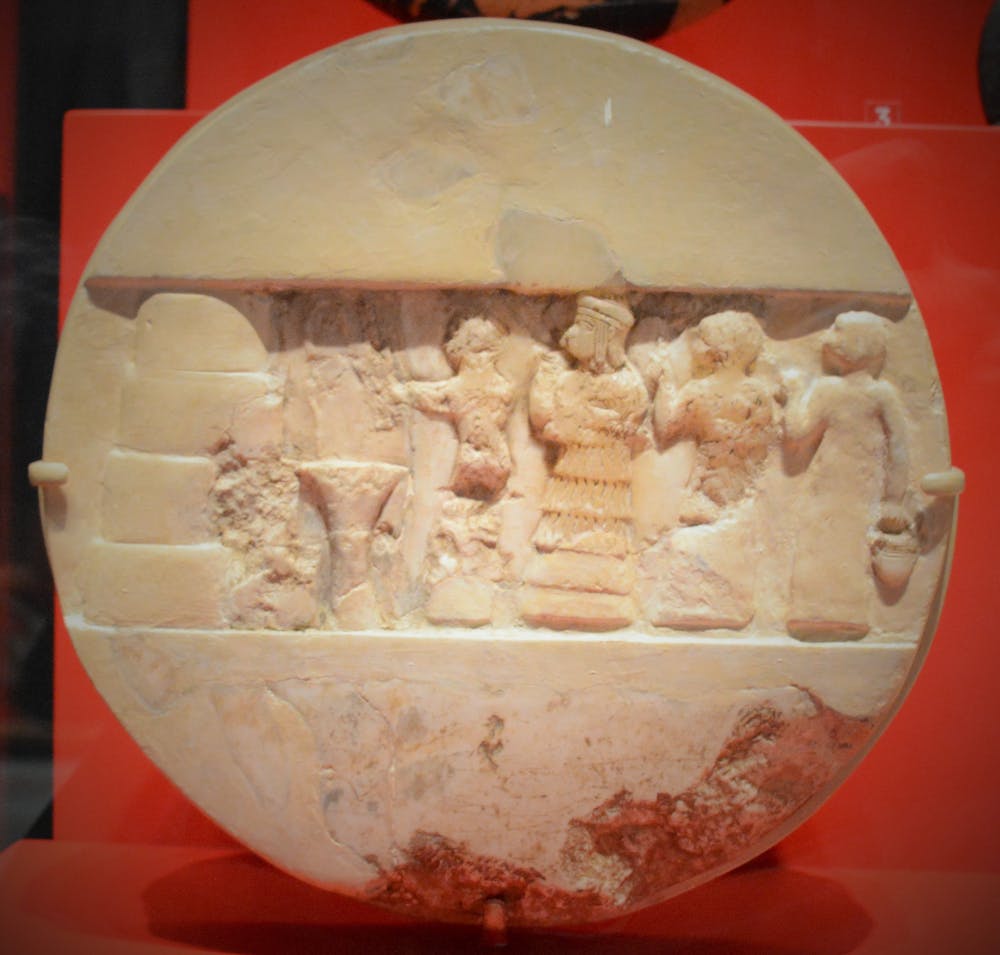 Sumerian priestess Enheduanna was the first named author in the world, in the 23rd century BC. Disk of Enheduanna.
Wikimedia Commons, CC BY
This casts new light on Homer’s dignity. The Iliad and the Odyssey were composed around the 8th century BCE. The historical fact of the putative “Homer” – their author or authors – is still debated by scholars.
What difference would it make if we learnt at school that the first named author was a woman, writing in the first person singular some 2,200 years before Homer?
Instead, we have Rachel Cusk in 2009 CE, writing of woman as “occluded, scattered, disguised”, gone underground. “Were a woman writer to address her sex, she would not know who or what she was addressing.”
Or, as Sheila Heti writes at the outset of her novel How Should a Person Be?,
One good thing about being a woman is we haven’t too many examples yet of what a genius looks like. It could be me. There is no ideal model for how my mind should be. For the men, it’s pretty clear. That’s the reason we see them trying to talk themselves up all the time.
Sumerian priestess Enheduanna was the first named author in the world, in the 23rd century BC. Disk of Enheduanna.
Wikimedia Commons, CC BY
This casts new light on Homer’s dignity. The Iliad and the Odyssey were composed around the 8th century BCE. The historical fact of the putative “Homer” – their author or authors – is still debated by scholars.
What difference would it make if we learnt at school that the first named author was a woman, writing in the first person singular some 2,200 years before Homer?
Instead, we have Rachel Cusk in 2009 CE, writing of woman as “occluded, scattered, disguised”, gone underground. “Were a woman writer to address her sex, she would not know who or what she was addressing.”
Or, as Sheila Heti writes at the outset of her novel How Should a Person Be?,
One good thing about being a woman is we haven’t too many examples yet of what a genius looks like. It could be me. There is no ideal model for how my mind should be. For the men, it’s pretty clear. That’s the reason we see them trying to talk themselves up all the time.
 Questions of authority and form challenge each of these writers, some to breaking point. Depression and suicide recur. Biggs touches on her own depression, so deep she required medication. I’ve certainly experienced my own. Wollstonecraft attempted suicide twice. We know how the vibrant lives of Woolf and Sylvia Plath ended.
My favourite chapter in Biggs’s memoir is on Elena Ferrante, whose Neapolitan quartet makes the erasure of women its subject, while centring two bookish women who’ve been friends and rivals since childhood. It’s about the self-erasure of one, Lila, and her reclamation in writing by the other, Lenu. As Biggs puts it, quoting Ferrante, it
is Lenu’s attempt, over months of writing, to give Lila “a form whose boundaries won’t dissolve, and defeat her, and calm her, and so in turn calm myself”.
Despite our many differences, it’s uncanny how similar Biggs’ and my trajectories have been, from the formative role of our mothers in our reading and divorces, to the central role of books and friendships with women in our unfolding lives.
Most strikingly, we’re both experimenting with new ways of writing our selves. In her own memoir on marriage and separation, Cusk suggests this urge is not a pathology, but a definition of a feminist:
And perhaps a feminist is someone who possesses this personalising trait to a larger degree: she is an autobiographer, an artist of the self.
Authors: Jane Gleeson-White, Adjunct Lecturer, English and Creative Writing, UNSW Canberra, UNSW Sydney
Questions of authority and form challenge each of these writers, some to breaking point. Depression and suicide recur. Biggs touches on her own depression, so deep she required medication. I’ve certainly experienced my own. Wollstonecraft attempted suicide twice. We know how the vibrant lives of Woolf and Sylvia Plath ended.
My favourite chapter in Biggs’s memoir is on Elena Ferrante, whose Neapolitan quartet makes the erasure of women its subject, while centring two bookish women who’ve been friends and rivals since childhood. It’s about the self-erasure of one, Lila, and her reclamation in writing by the other, Lenu. As Biggs puts it, quoting Ferrante, it
is Lenu’s attempt, over months of writing, to give Lila “a form whose boundaries won’t dissolve, and defeat her, and calm her, and so in turn calm myself”.
Despite our many differences, it’s uncanny how similar Biggs’ and my trajectories have been, from the formative role of our mothers in our reading and divorces, to the central role of books and friendships with women in our unfolding lives.
Most strikingly, we’re both experimenting with new ways of writing our selves. In her own memoir on marriage and separation, Cusk suggests this urge is not a pathology, but a definition of a feminist:
And perhaps a feminist is someone who possesses this personalising trait to a larger degree: she is an autobiographer, an artist of the self.
Authors: Jane Gleeson-White, Adjunct Lecturer, English and Creative Writing, UNSW Canberra, UNSW Sydney 

















.jpg)