

The dams are full for now – but Sydney will need new water supplies as rainfall becomes less reliable
- Written by Stuart Khan, Professor of Civil & Environmental Engineering, UNSW Sydney
When Australia last went into El Niño, we had water supply issues in Brisbane, Sydney, Canberra and Melbourne.
Are we better placed now, after three wet La Niña years? Yes and no. Take Sydney as an example. After the big wet, Greater Sydney’s dams are around 90% full, holding more than four times the volume we use in a year. But hot, dry weather can drain them surprisingly rapidly through increased demand, increased evaporation and environmental flows in rivers such as the Nepean.
Hot weather also dries out the soil in water catchments. When it rains, dry soils soak up water like a sponge, preventing it from running off to waterways. This means there’s little runoff to replenish the dams. You need very intense rainfall to overcome this.
So despite Sydney’s full dams, it will inevitably face water supply shortages if El Niño returns for several years. That’s because the city of five million is highly dependent on rainfall, which isn’t always plentiful and doesn’t always produce runoff.
To fix this problem and future-proof supplies as climate change makes rainfall less reliable, we must draw more water from desalination plants and recycling schemes.
Desalination
The combined effects of a growing population and future periods of drought will increasingly challenge our ability to meet water demand from Sydney’s dams.
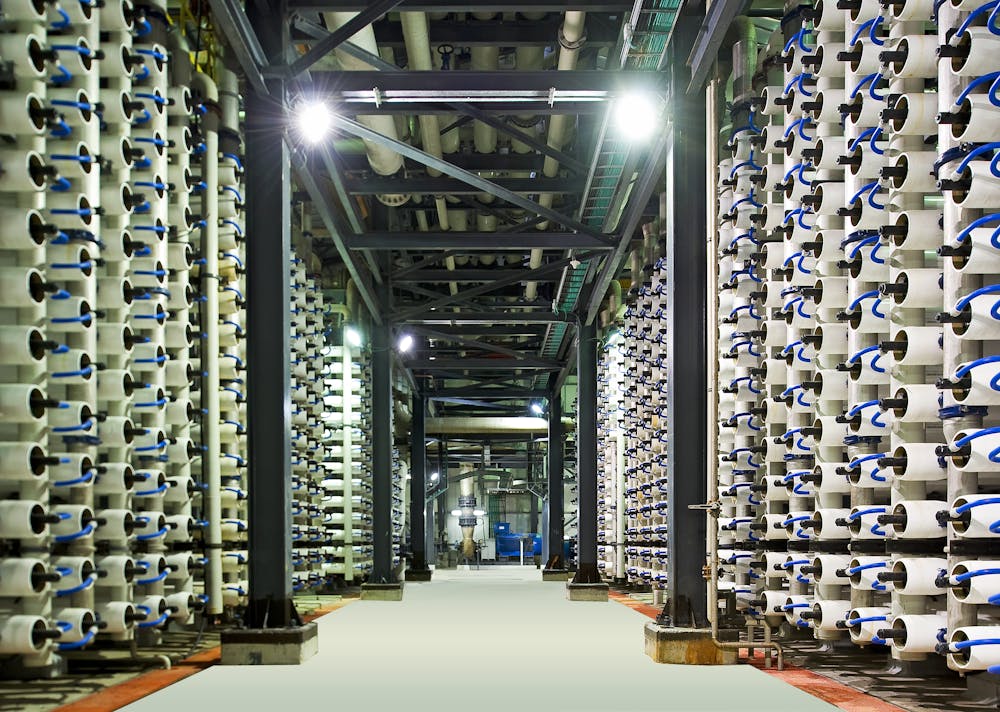
In 2010, Sydney’s first large seawater desalination plant came on line. At maximum production, it can provide 90 gigalitres of drinking water per year. This is about 15% of Sydney’s annual demand.
In the past, the desal plant has been turned off and on depending on rainfall. After the Millennium Drought broke in 2009, dams began refilling. Once Sydney’s dams were 90% full in 2012, the plant was switched off. In 2019, it was turned back on as drought intensified. One problem is that it takes months to restart a mothballed desalination plant.
If the desalination plant had been operating continuously at a low rate, it could have more quickly shored up supply shortages when the drought started in 2017.
To achieve full benefit, desal plants must be used to provide ongoing service, rather than just as an emergency drought-response solution. Keeping the plant running is also an effective way of maintaining the workforce and skills required to operate the plant when it’s needed.
Water recycling
Many cities around Australia now have desal plants. Fewer have explored purified water recycling from wastewater treatment plants due to unwarranted public scepticism.
Australia’s most significant purified recycled water project is Perth’s groundwater replenishment scheme, built to refill the aquifers on which the city draws much of its water.
Beginning in 2017, wastewater was purified and injected below ground into an important aquifer used for drinking water. The project was recently doubled in size, and now puts around 10% of Perth’s drinking water demand (28 gigalitres) back below ground annually.
Read more: How drought is affecting water supply in Australia’s capital cities
By 2035, Water Corporation aims to recycle more than a third (35%) of treated wastewater.
Queensland has built but not fully used a far larger water recycling scheme, the Western Corridor Recycled Water Scheme. If it was used for drinking water as well as industrial use, it could add 80 GL a year to supply – more than a quarter of the water used by South East Queensland’s 3.8 million residents. That would be enough to replenish supplies in the region’s largest surface water storage, Lake Wivenhoe.
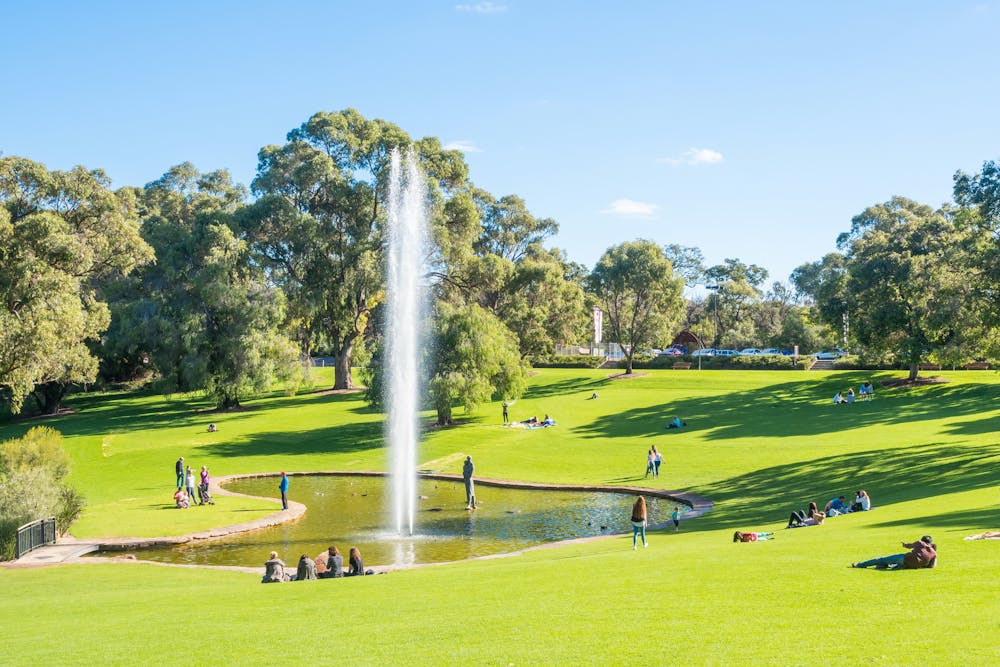 Perth has had to shift from dams to groundwater to desalination and water recycling as climate change makes rainfall less reliable.
Shutterstock
Perth has had to shift from dams to groundwater to desalination and water recycling as climate change makes rainfall less reliable.
Shutterstock
So what should Sydney do?
Sydney relies on rainfall-dependent sources for about 80% of its drinking water supply.
If dry conditions continue, the city could be running short of water within three years, according to the Greater Sydney Water Strategy.
To make sure that shortfall never arrives, Sydney needs to start building more rainfall-independent water supplies. This would help ensure full dams at the start of future droughts, allow more time to respond, and slow dam depletion rates during the drought.
Authorities could expand the desal plant. They could build a new desal plant. Or they could develop purified recycled water as an option. Each of these has costs and benefits which must be considered.
In reality, the city is likely to need all of the above. This is because there are limits to how much water can be delivered to any specific location in the supply network, so several water sources will be needed in different areas of Sydney.
The real question isn’t which one to choose. It’s which order to construct them in.
Read more: Sydney's dams may be almost full – but don't relax, because drought will come again
Authors: Stuart Khan, Professor of Civil & Environmental Engineering, UNSW Sydney

















