Cleaning up Australia's 80,000 disused mines is a huge job – but the payoffs can outweigh the costs
- Written by Mohan Yellishetty, Co-Founder, Critical Minerals Consortium, and Associate Professor, Department of Civil Engineering, Monash University
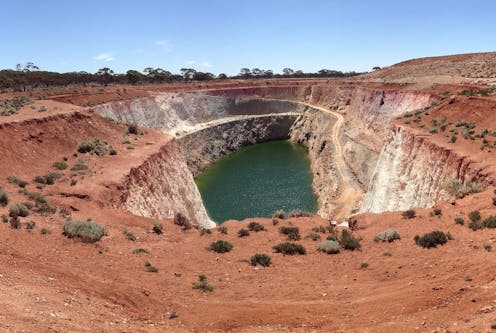
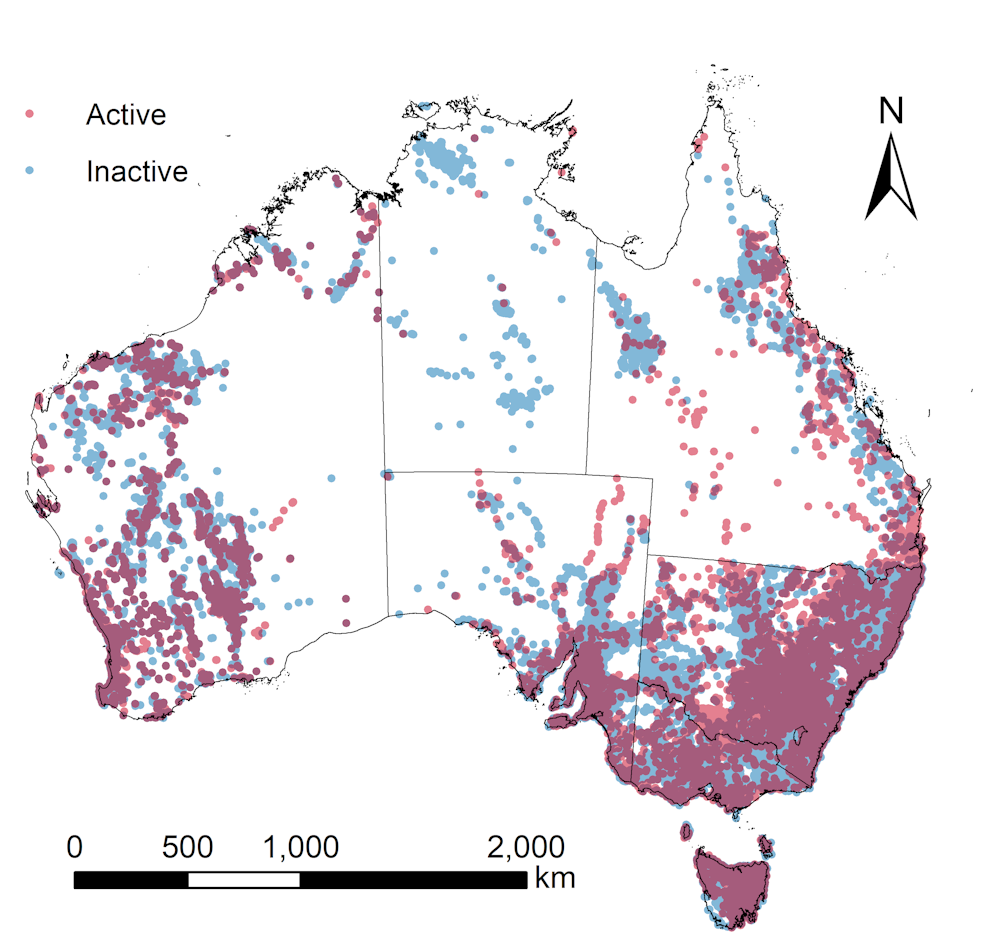
Newly announced closures of Glencore’s copper and zinc mines in Mt Isa will add to a huge number of former mines in Australia. A 2020 study by Monash University’s Resources Trinity Group found more than 80,000 inactive mine sites across the country.
Globally, a 2023 study estimates the mining footprint at around 66,000 square kilometres. Abandoned mines account for much of this area.
It’s estimated the US has about 500,000 abandoned mines and Canada at least 10,000. The UK and China have at least 1,500 and 12,000 old coalmines, respectively.
Abandoned mines can pose extreme environmental, health and safety risks. Unreclaimed coalmines, for example, continue to emit greenhouse gases.
Land is a scarce resource. Restoration enables sustainable and dynamic use of former mining land. It opens up golden opportunities – environmental, social and economic.
Read more: Afterlife of the mine: lessons in how towns remake challenging sites
Environmental benefits
Carbon farming
Mine leases generally lock up vast land areas. This land presents a commercially viable, yet neglected, opportunity for carbon farming.
For example, replanting abandoned leases could earn carbon credits under the Australian government’s Carbon Farming Initiative. It can help “hard to abate” industries such as mining move towards net zero emissions.
Sustainable and renewable energy
Abandoned mines can also be used to produce and store renewable energy. Examples range from providing sites for solar farms to Green Gravity’s energy storage technology.
Green Gravity uses a system of weights in a mine shaft to store energy from renewable sources. This energy is used to raise the weights. The energy can later be released when the weights are lowered under the pull of gravity.
Another example is the former Kidston gold mine’s pumped storage hydro project. This system uses two water reservoirs in former open pits. Renewable energy is used to pump water into the higher reservoir. Releasing this water into the lower reservoir generates hydropower energy as needed.
For abandoned deeper mines, tapping into geothermal energy could even make it viable to resume mining.
The former Kidston gold mine in Queensland has a new life as a pumped hydro energy storage plant.Read more: Batteries of gravity and water: we found 1,500 new pumped hydro sites next to existing reservoirs
Water security
Abandoned mines or quarry pits can store large amounts of drinking, harvested and recycled water. This will help increase water security, especially when located near urban areas or industry corridors.
Disaster prevention
Another option is renaturalisation. This depends heavily, though, on location and mine type.
For example, Indonesia has plans to restore forest on former mine sites to help reduce floods. These reforested areas will help retain floodwaters.
Biodiversity restoration
Nature-based approaches to mine rehabilitation include reforestation and phytoremediation, which uses plants to clean up contaminated environments. These approaches tackle mines’ legacy of pollution and add ecological value.
Restored land allows for native species to be reintroduced. It can also provide bridges between patches of habitat to enhance biodiversity. In Victoria, this has been done with a former quarry at Royal Botanic Gardens Cranbourne.
Social benefits
Improving urban liveability
Renaturalised mines can be valuable communal and green spaces. Particularly when done in urban areas, it can provide residents with better air quality, microclimates and quality of life as these sites support recreational and cultural activities. All Nations Park is another example of a quarry restoration just seven kilometres from the Melbourne CBD.
Education and tourism opportunities
Restored mining land opens up educational, architectural and tourism opportunities. These range from hotels such as the InterContinental Shanghai Wonderland – most of it is underground – to eco-tourism and education centres, such as the Eden Project in the UK.
Economic benefits
Critical minerals
Critical minerals are vital for batteries, electric vehicles and electrification needs. These minerals can be extracted from inactive mines and tailings storages.
Mine waste processing could contribute billions of dollars a year to the economy and support regional jobs.
Job creation
Several large regions in Australia, including the Pilbara and Bowen Basins, face similar rehabilitation challenges. But each company is responsible for its own mine closure and rehabilitation. Current mining business models are not well suited for rehabilitation.
However, the scale of the rehabilitation work required in a major mining region would support an entire regional industry. It could provide many local jobs after mines close.
There are synergies between the many uses of restored mine sites. For example, Royal Botanic Gardens Cranbourne not only restores biodiversity, but has also created an attractive space for people to gather, along with jobs and education opportunities.
So what are the obstacles?
A mine’s rehabilitation costs may total hundreds of millions of dollars. These costs are often many times greater than what governments hold in rehabilitation bonds, which operators must provide as financial security before mining begins. Nevertheless, the financial and environmental consequences of inaction dwarf such costs.
Globally, the costs of mine rehabilitation and closure liabilities run into billions of dollars. However, investments in green infrastructure have reached trillions of dollars. Some of these funds could be directed into rehabilitation and clean-up efforts, with the benefits of:
- providing capital to “kick off” and refine the collaborative work needed to deliver multiple benefits – as well as mining companies, this work involves many other organisations and individuals
- creating clear financial accountability for rehabilitation
- generating business opportunities and sites for testing new sustainability practices and developing “gold standards” for restoring and repurposing mine sites.
A co-operative investment approach enables all partners to understand their shared responsibilities before any long-term expenses affect them individually.
Strong governance, initial funding and collaborative development are needed to achieve environmental, social and economic outcomes that add value to mine rehabilitation.
Acknowledgements: David Whittle, Alec Miller, Tim T. Werner and a number of Monash University staff and students over the years who have contributed to the research base.
Authors: Mohan Yellishetty, Co-Founder, Critical Minerals Consortium, and Associate Professor, Department of Civil Engineering, Monash University