

2 biggest threats to wombats revealed in new data gathered by citizen scientists
- Written by Julie Old, Associate Professor, Biology, Zoology, Animal Science, Western Sydney University
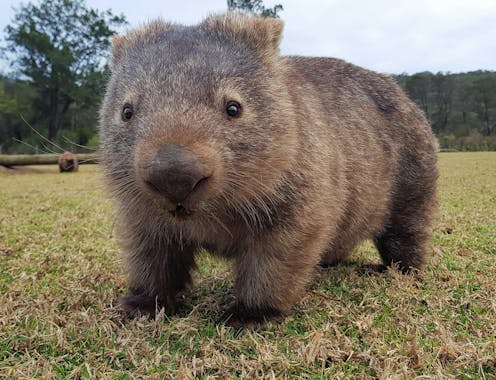
Launched in 2015, WomSAT (Wombat Survey and Analysis Tool) is a citizen science project and website that allows “wombat warriors” to report sightings of wombats, their burrows, and even their cube-shaped poops.
The project initially aimed to uncover information on all things wombat from across Australia, particularly threats. Its ultimate aim is to support conservation, informed by an enhanced understanding of wombat biology.
WomSAT also aims to educate the wider community by using the hashtag #WombatWednesday to spread the word. The project has resulted in raising the profile of wombats in the broader community.
People have jumped onboard to support the charismatic species, and thousands of posts have been shared via social media.
To date, citizen scientists across Australia have reported more than 23,000 wombat sightings to WomSAT. These sightings have recently been analysed and the findings published in Australian Mammalogy and Integrative Zoology.
Importantly, the data have given us new insights into where to find two of the biggest threats: Australia’s wombat roadkill hotspots, and the worst areas for sarcoptic mange (a disease related to scabies).
Read more: Mangy marsupials: wombats are catching a deadly disease, and we urgently need a plan to help them
Making our roads safer for wombats
Wombats are large, mostly grass-eating native Australian marsupials. They play an essential role in maintaining biodiversity as ecological engineers. Through their burrowing, they maintain soil health and create habitat to support other plants and animals.
There are three species of wombats: the critically endangered northern hairy-nosed wombat (Lasiorhinus krefftii), the threatened southern hairy-nosed wombat (L. latifrons), and the bare-nosed or common wombat (Vombatus ursinus).
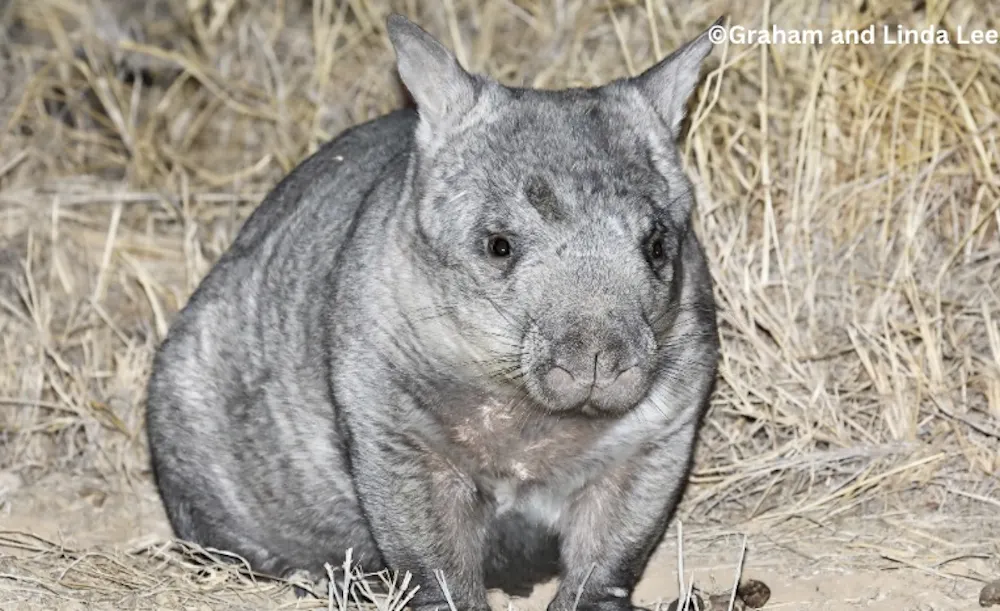
Like most Australian native animals, wombats are under threat on many different fronts – habitat destruction, changed fire regimes, competition from introduced species, and even direct persecution by humans, as they are deemed pests by some. The bare-nosed wombat is particularly impacted by roadkill and sarcoptic mange.
The new data reported to WomSAT have identified roadkill hotspots and factors affecting wombat vehicle collisions. Several areas were identified as roadkill hotspots, including Old Bega Road and Steeple Flat Road in southern New South Wales. Most wombat roadkill deaths occurred in winter, and sadly most appeared otherwise healthy.
Having better data and identifying these roadkill hotspots will ultimately reduce road risks for people and wombats. We can target these hotspots using mitigation strategies such as reduced speeds, signage and barriers to prevent wombat crossing and avoid collisions.
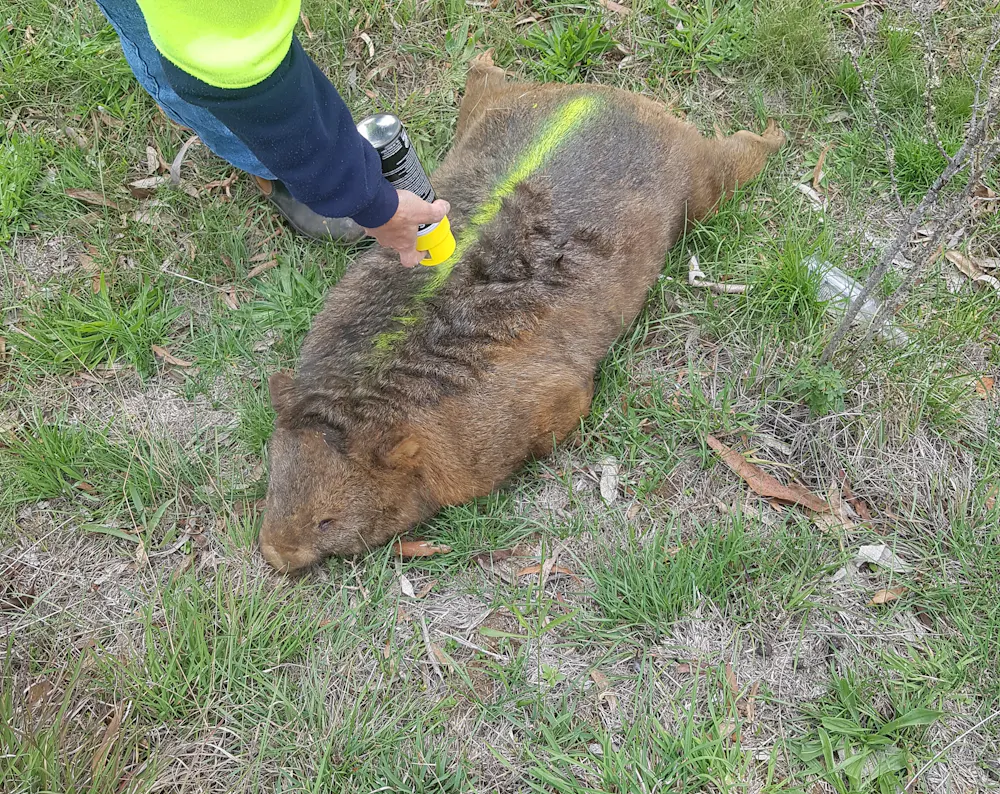 A wombat killed on a road, being marked to indicate its pouch has been checked.
Hayley Stannard
A wombat killed on a road, being marked to indicate its pouch has been checked.
Hayley Stannard
Mangy marsupials
WomSAT data have also revealed that wombat populations in closer proximity to urban areas have more wombats with sarcoptic mange. Mange is a disease caused by the Sarcoptes scabiei mite.
In people this mite causes scabies. But in wombats, the disease is fatal if left untreated. The mites cause disease by burrowing into the skin of wombats, causing extreme itchiness and discomfort. Eventually it leads to large open wounds, and the wombat dies from secondary infections.
For sarcoptic mange reports, the season was not statistically significant, but rainfall was. This could potentially be because scabies mites thrive in more humid environments, but more research is needed.
Interestingly, our field research has also indicated that rainfall contributes to higher occurrence of sarcoptic mange in specific populations we have monitored over several years.
Overall, roadkill events and sarcoptic mange are two of the biggest threats to bare-nosed wombats. As we continue to track both over time, it will help us to better understand and mitigate these threats.
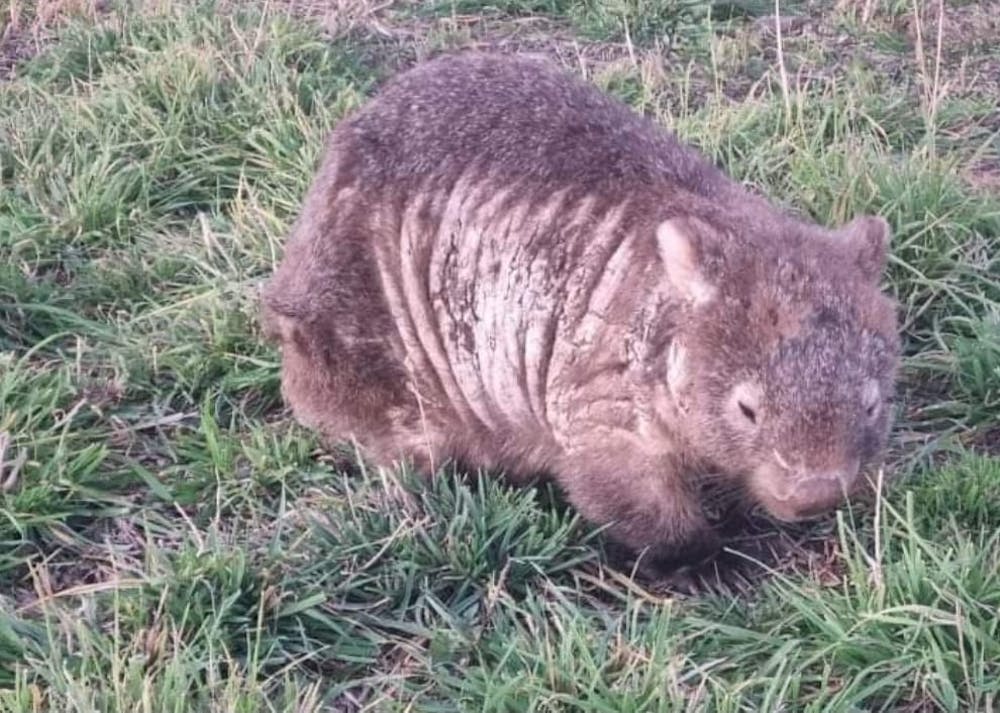 A wild wombat affected by sarcoptic mange.
Photo by John Creighton, used with permission.
A wild wombat affected by sarcoptic mange.
Photo by John Creighton, used with permission.
You can become a wombat warrior too
Recent upgrades to WomSAT will now allow GPS location data embedded in photos taken using smartphones. Importantly, this means users can upload wombat sightings when they come back into phone signal or internet range.
Users can also now upload information where wombats are not found, which provides important information on wombat distribution and abundance.
Another new feature on WomSAT will assist wildlife carers to directly monitor and record treatment of wombats with sarcoptic mange in the field. In the past, treatment regimes have rarely been recorded. This will benefit the wider wildlife care network by highlighting areas where wombats are currently being treated, as well as new areas where wombats require treatment.
In the longer term, the resource will also help to support the development of better treatment regimes by recording treatment methods and tracking wombats (through photographs) to help monitor their recovery.
Regardless of the level of experience with wombats, everyone can get involved and become a wombat warrior. You can do so by reporting sightings of wombats and their burrows to the WomSAT website via a mobile phone or computer.
Ongoing reporting to WomSAT will provide more insights into these amazing marsupials. It can be used to assist with determining wombat distribution and abundance patterns, as well as help manage the threats they face.
Authors: Julie Old, Associate Professor, Biology, Zoology, Animal Science, Western Sydney University

















