
How much protein do I need as I get older? And do I need supplements to get enough?
- Written by: Evangeline Mantzioris, Program Director of Nutrition and Food Sciences, Accredited Practising Dietitian, University of South Australia

If you are a woman around 50, you might have seen advice on social media or from influencers telling you protein requirements increase dramatically in midlife. Such recommendations suggest a 70 kilogram woman needs around 150 grams of protein each day. That’s the equivalent of 25 boiled eggs at 6 grams of protein each.
Can that be right? Firstly let’s have a look at what protein is and where you get it.
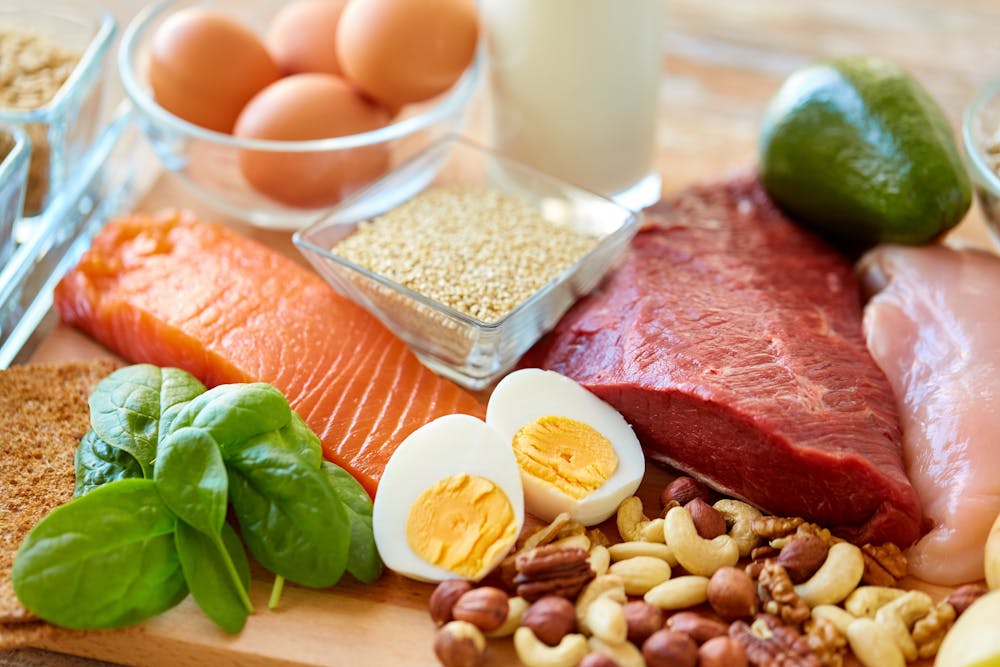
Protein is an essential macro-nutrient in our diet. It provides us with energy and is used to repair and make muscle, bones, soft tissues and hormones and enzymes. Mostly we associate animal foods (dairy, meat and eggs) as being rich in protein. Plant foods such as bread, grains and legumes provide valuable sources of protein too.
But what happens to our requirements as we get older?
Ages and stages
Protein requirements change through different life stages. This reflects changes in growth, especially from babies through to young adulthood. The estimated average requirements by age are:
1.43g protein per kg of body weight at birth
1.6g per kg of body weight at 6–12 months (when protein requirements are at their highest point)
protein needs decline from 0.92g down to 0.62g per kg of body weight from 6–18 years.
When we reach adulthood, protein requirements differ for men and women, which reflects the higher muscle mass in men compared to women:
Australian recommendations for people over 70 reflect the increased need for tissue repair and muscle maintenance:
For a 70kg man this is a difference of 12.6g/protein per day. For a 70kg woman this is an increase of 10.5g per day. You can add 10g of protein by consuming an extra 300ml milk, 60g cheese, 35g chicken, 140g lentils, or 3–4 slices of bread.
There is emerging evidence higher intakes for people over 70 (up to 0.94–1.3g per kg of bodyweight per day) might reduce age-related decline in muscle mass (known as sarcopenia). But this must be accompanied with increased resistance-based exercise, such as using weights or stretchy bands. As yet these have not been included in any national nutrient guidelines.
Read more: Am I too old to build muscle? What science says about sarcopenia and building strength later in life
But what about in midlife?
So, part of a push for higher protein in midlife might be due to wanting to prevent age-related muscle loss. And it might also be part of a common desire to prevent weight gain that may come with hormonal changes.
There have been relatively few studies specifically looking at protein intake in middle-aged women. One large 2017 observational study (where researchers look for patterns in a population sample) of over 85,000 middle-aged nurses found higher intake of vegetable protein – but not animal protein or total protein – was linked to a lower incidence of early menopause.
In the same group of women another study found higher intake of vegetable protein was linked to a lower risk of frailty (meaning a lower risk of falls, disability, hospitalisation and death). Higher intake of animal protein was linked to higher risk of frailty, but total intake of protein had no impact.
Another smaller observational study of 103 postmenopausal women found higher lean muscle mass in middle-aged women with higher protein intake. Yet an intervention study (where researchers test out a specific change) showed no effect of higher protein intake on lean body mass in late post-menopasual women.
Some researchers are theorising that higher dietary protein intake, along with a reduction in kilojoules, could reduce weight gain in menopause. But this has not been tested in clinical trials.
Increasing protein intake, improves satiety (feeling full), which may be responsible for reducing body weight and maintaining muscle mass. The protein intake to improve satiety in studies has been about 1.0–1.6g per kg of bodyweight per day. However such studies have not been specific to middle-aged women, but across all ages and in both men and women.
What are we actually eating?
If we look at what the average daily intake of protein is, we can see 99% of Australians under the age of 70 meet their protein requirements from food. So most adults won’t need supplements.
Only 14% of men over 70 and 4% of women over 70 do not meet their estimated average protein requirements. This could be for many reasons, including a decline in overall health or an illness or injury which leads to reduced appetite, reduced ability to prepare foods for themselves and also the cost of animal sources of protein.
While they may benefit from increased protein from supplements, opting for a food-first approach is preferable. As well as being more familiar and delicious, it comes with other essential nutrients. For example, red meat also has iron and zinc in it, fish has omega-3 fats, and eggs have vitamin A and D, some iron and omega-3 fats and dairy has calcium.
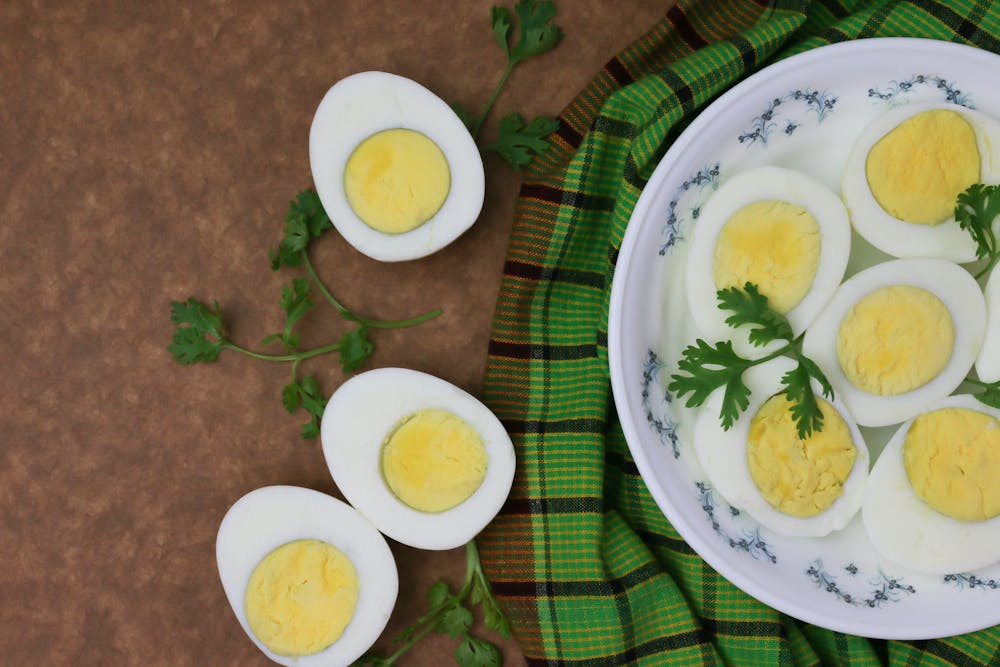 A person can only eat so many eggs.
Tamanna Rumee/Unsplash
A person can only eat so many eggs.
Tamanna Rumee/Unsplash
Read more: Do athletes really need protein supplements?
So what should I do?
Symptoms of protein deficiency include muscle wasting, poor wound healing, oedema (fluid build-up) and anaemia (when blood doesn’t provide enough oxygen to cells). But the amount of protein in the average Australian diet means deficiency is rare. The Australian dietary guidelines provide information on the number of serves you need from each food group to achieve a balanced diet that will meet your nutrient requirements.
If you are concerned about your protein intake due to poor health, increased demand because of the sports you’re doing or because you are a vegan or vegetarian, talk to your GP or an accredited practising dietitian.
Authors: Evangeline Mantzioris, Program Director of Nutrition and Food Sciences, Accredited Practising Dietitian, University of South Australia


















