

Google AI


Modern Australian

Why are we obsessed with renovation? Amanda Lohrey explores the promise and limits of transforming our environment

  • Written by: Monique Rooney, Senior lecturer in literature, film and new media, Australian National University

Why are we obsessed with renovation? Amanda Lohrey explores the promise and limits of transforming our environment

The cover of The Conversion is an image of two yellow-tailed black cockatoos ascending against a pale sky, their horizontal outstretched wings crossed by the vertical lines that run from their beaks to their tail feathers.
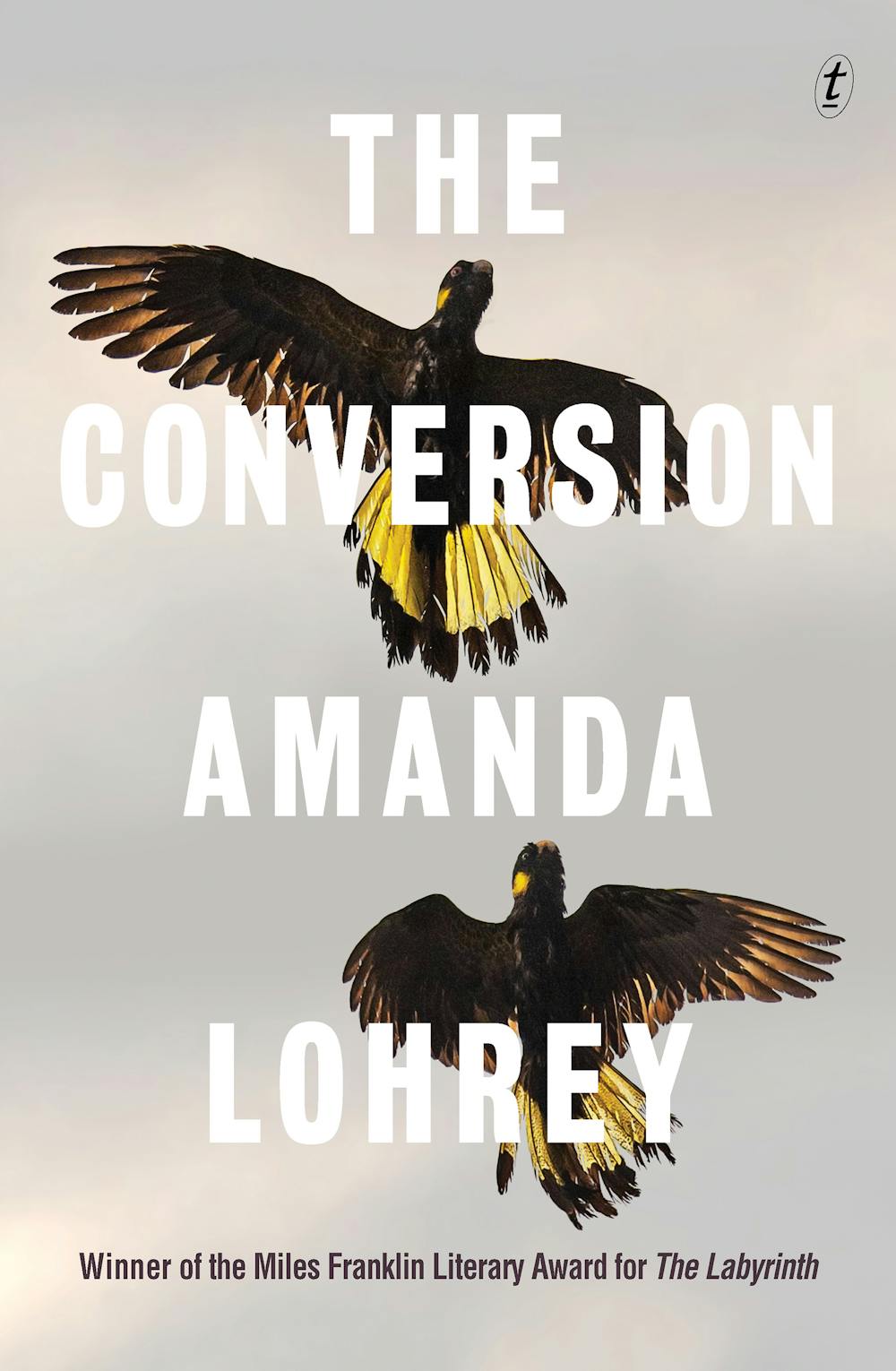
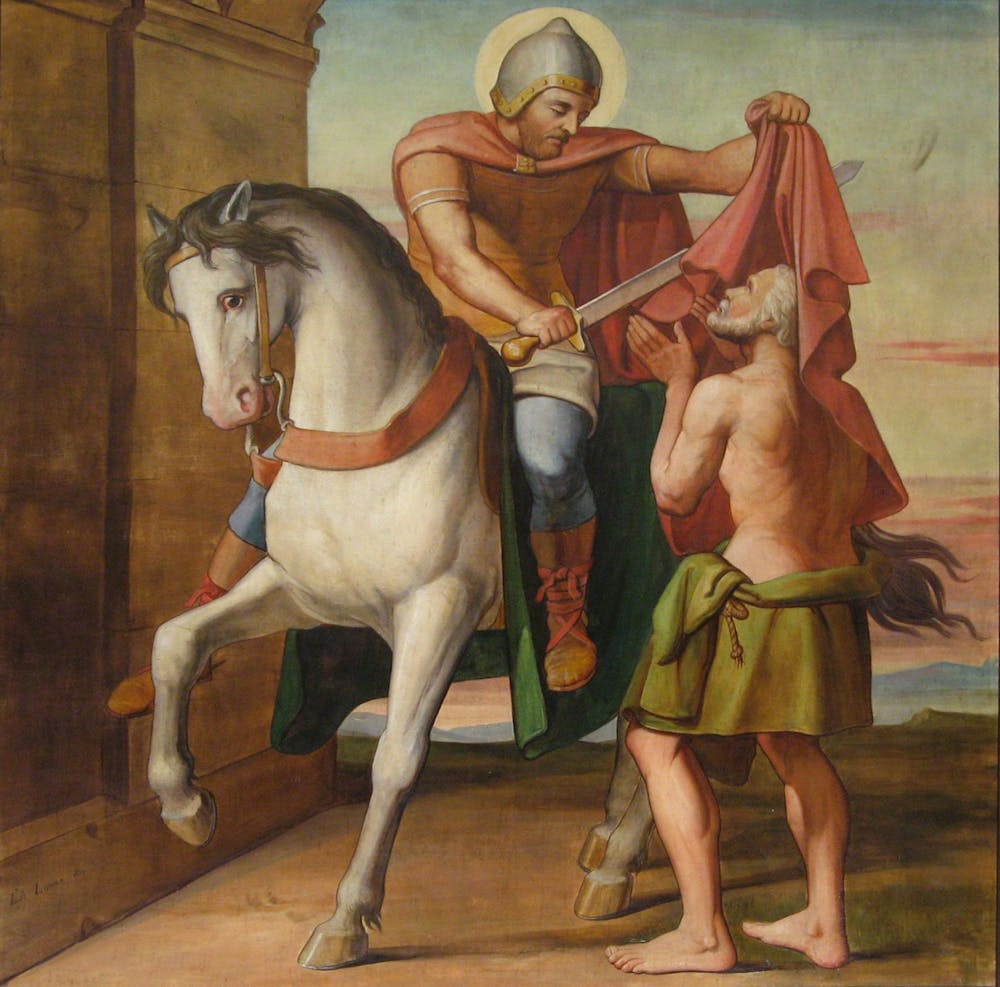
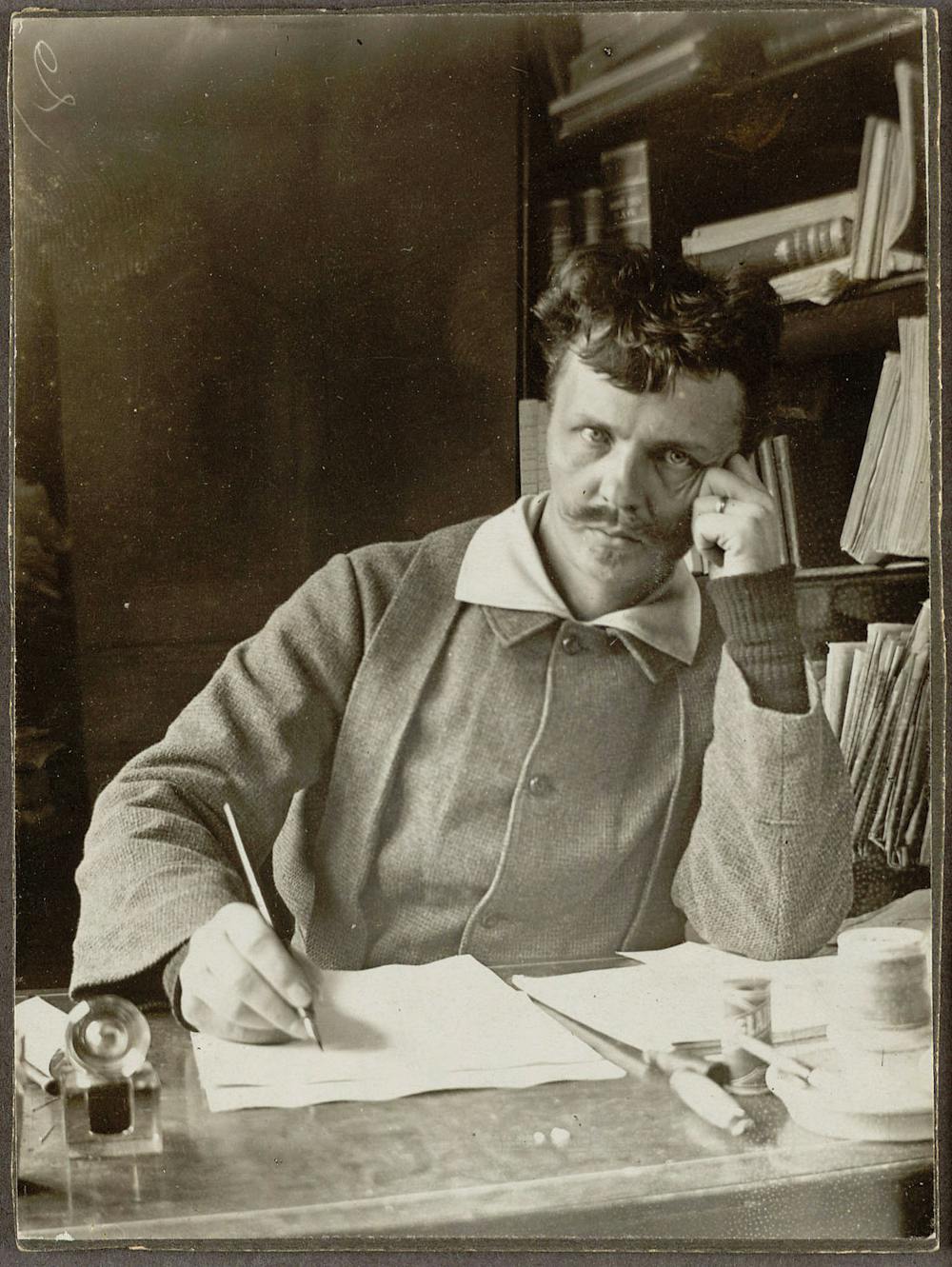
Black cockatoos turn up on page three of the novel. Nick Whitelaw and Zoe North are walking the grounds of a deconsecrated church. Nick is keen to buy the church; his wife, Zoe, is “less upbeat”. She is not convinced a church can be converted into a home. Zoe hears the screech of cockatoos and turns to see “their black bodies outlined against the blue of the sky”. For Nick, the black cockatoos are a good omen, but he overlooks what might be a bad omen: a snake that lies “coiled and sleeping on the worn sandstone steps” of the church. His buoyant tendency to emphasise good signs over bad and his optimistic belief in remaking things will have negative consequences. Review: The Conversion – Amanda Lohrey (Text Publishing) Novel ideas Literary critic Julieanne Lamond has observed that Lohrey “takes up a common way of doing, saying or thinking about something and baldly asks: why?” The question Lohrey’s ninth novel asks is: why do we constantly seek to renew our environment? What are the possibilities and limits of such attempted transformations? The Conversion is set in a fictional town named Crannock. Like the real town of Cessnock in the Hunter Valley, Crannock is an old coal-mining town. The grazing land for which it was also known has been subdivided and converted into vineyards. The novel’s first section, The Windows, switches between past and present. The flashbacks depict events leading up to Nick’s sudden death. We learn that, in addition to his fascination with converting buildings, he was a therapist with some unorthodox methods. Events in the present involve the widowed Zoe’s decision to buy the church. She had persuaded Nick to wait a year before committing to the purchase. Returning to Crannock alone after his death, she steps inside the church and admires how the stained glass windows made “soft mosaic patterns of colour on the wooden floor”. The old pulpit, the stone altar, the nave and a large wooden screen (called a reredos) are intimidating, but the “vertical space” and light impress her. “How would you fill it?” she wonders before signing the contract and moving into the church. Nick’s interest in the church was about neither money nor status, but ideas of conversion. He had expressed his belief to Zoe and their friend Neville Glass that “we become attached to certain places and go on inhabiting them mentally long after we leave them behind physically”. But Nick’s firmly held beliefs contain contradictions. He told Zoe and Neville that it’s “what you make of the thing” that matters. Yet, in his life he wilfully pursued paths that brought difficulty and personal disaster. His premature death results from circumstances that are, at least in part, of his own making. Zoe’s decision to take on the church-conversion project is paradoxical. She is haunted by the ghosts of Nick and a troubled young patient who had come into their lives in the year before he died. She wants to exorcise these ghosts, but she encounters other ghosts in the process. What she fears most is “being stuck with a jaded feeling of the past, a lingering effect of grandiosity combined with an air of melancholy abandonment”. Amanda Lohrey. Richard Bugg/AAP Read more: Intellectual fearlessness, politics and the spiritual impulse: the remarkable career of Amanda Lohrey Orders of conversion In her book Renovation Nation, Fiona Allon describes how the Australian dream of home ownership has become an obsessive nightmare involving market gaming, prestige homes and profit maximisation. Such renovation practices are noted when Zoe’s friend Helen mentions the gutting of a “worker’s cottage” in order to install a “plunge pool”. This real-estate obsession gives an ironic cast to Zoe’s renovation, given that her church is named after St Martin, a Roman soldier who converted to Christianity, and was sainted for cutting his cloak in half and sharing it with a stranger in need. The national fetish for conversion even extends to the former reverend of Zoe’s church, who now lives in a “concrete box with floor-to-ceiling glass walls” that overlook fields planted with garlic. His house is “so different from the church and its lancet windows with their pointed arch”, thinks Zoe. Ideas of transformation are extended in the second part of the novel, which considers the rewards and costs of religious, psychological, artistic and architectural conversions. Each of the novel’s characters becomes involved in one conversion or another. Zoe employs Mick Hanlon and his son Travis to remove the font (a receptacle used for baptism ceremonies) from the church using their Genie lift. While Mick would like his son to be involved in the earth-moving business he dreams of starting, Travis has other ideas. His hidden talents surface when he performs the lead part in August Strindberg’s A Dream Play, directed by schoolteacher Melanie and staged within the walls of the church. Teacher and students temporarily transform the church interior into a stage and auditorium. The transformative destruction brought by early settlers is touched upon when Zoe reflects on whether she and others “were intruders, always bending something out of its natural shape”. The catastrophic changes brought by colonisation are also alluded to by Zoe’s new neighbour Berenice Hanlon, who mentions that certain ancestors of Crannock residents had been complicit in the massacre of Indigenous people. Conversion is associated in the novel with attempts to silence the past. Neville expresses this idea when he likens conversion to “cancel culture”. It is a way of cancelling the “old naysayers, the sermonisers, the ones who told you not to have sex before marriage”. But Zoe remains uncertain as to how she can put her “stamp” on the church. It is not as if “she could sweep in and cancel the history of a building with a few knick-knacks”. The Charity of Saint Martin – Louis Anselme Longa. Abmg, via Wikimedia Commons, CC BY-SA Read more: Big-picture thinking: in The Bell of the World, Gregory Day listens to the music of common things Vertical light and resistance to conversion Zoe opposes the effects created by the vertical lines of the church to those created by the horizontal design of the Reverend’s house. She also harks back to talks with Nick about the architectural “unity” resulting from the “harmony” of vertical and horizontal lines. The meaning of these lines strikes her after the church’s font is removed: […] she sees that the unity of the whole has been tilted out of balance. The church had been a body, and now it had lost a limb. The buyer of a church must impose their own dream, which means they can only live in it if all trace of its original purpose is camouflaged or destroyed: As much as possible, vertical space (heaven) must be rendered horizontal (earth). These evocative lines resonate in passages where Zoe observes light filtering to the floor via the high stained-glass windows above. On the one hand, the novel associates this verticality with the authority of priests who “communicated the sacred language” from the pulpit. On the other hand, it reminds us that such priests stood in front of windows whose stained glass stories communicated to the “illiterate”. August Strindberg (1886). National Library of Sweden, via Wikimedia Commons I find intriguing this idea that stained glass windows once spoke directly to illiterate church-goers, and I admire very much the novel’s ambitious reach, though sometimes I wondered whether certain characters are vehicles for these ideas. Such non-realistic treatment may be Lohrey’s nod to Strindberg and his deliberate creation of “symbolic” characters for his Dream Play. Plausibility of plot and character development are occasionally sacrificed in the service of Lohrey’s pursuit of the question of renewal from different angles. But this weakness is also a strength, as The Conversion delves into what it means to change one thing into another thing, exploring ideas of conversion that range from everyday renovation to the allure of religious cults and the meaning of our ever-updating culture. Mentions of “cancel culture” and Zoe’s trawling of Pinterest remind readers of the internet, raising questions about the fate of the contemporary novel within a technological environment. Do novels continue to deliver truths from within this restless space? Or has the novel – like the colonial Victorian church – been changed? St Martin’s church may have lost its “mystique” once its font, pulpit, nave and sacristy are removed, but it remains recognisable as a church. The Conversion may not deliver the kinds of characters we meet in a Victorian novel, yet it poses questions that matter to how we read, write and live now. Authors: Monique Rooney, Senior lecturer in literature, film and new media, Australian National University

Read more https://theconversation.com/why-are-we-obsessed-with-renovation-amanda-lohrey-explores-the-promise-and-limits-of-transforming-our-environment-211668

Understanding a dental implant Melbourne Treatment Plan

A dental implant Melbourne patients may consider is one option for replacing a missing tooth, but suitability depends on oral health, bone support a...

How 3PL Logistics Australia Supports Faster and More Efficient Supply Chains

Why Has 3PL Logistics Become Important for Growing Businesses?  Gone are the days when supply chains were simpler and in minimal quantity. Now, the...

Common Skin Concerns and Treatment Options Available in Melbourne

Skin concerns can develop gradually or become noticeable following changes in age, lifestyle, sun exposure or hormonal factors. Pigmentation, rednes...

Why a Code-Compliant Home Can Still Feel Uncomfortable

When people build or renovate a home, they usually expect that meeting current building requirements will also produce a comfortable place to live. ...

Breach of Contract in Business: What Are Your Options?

Contracts are essential to business relationships. They establish expectations, allocate responsibilities and provide a framework for delivering goods...

How Pest Control Companies Can Rank for the Problems Customers Search First

Introduction SEO for Pest Control needs to start with the customer’s problem. Most people do not search for pest services in a neat or technical wa...

What Are the Benefits of Renovating an Older Home in Sydney?

Sydney has plenty of character homes, from Federation cottages to mid-century brick homes. Renovating rather than rebuilding can preserve what makes t...

Pool and Deck Design: How to Plan the Perfect Outdoor Living Space for Your Sydney Home

For many Australians, the backyard is where life happens. Summer barbecues, weekend swims and long evenings outdoors are all part of the lifestyle, ...

Is Solar Pool Heating Worth It? What Sydney Homeowners Should Know

There's nothing quite like a backyard pool on a hot Sydney day. But once autumn rolls in, many pools sit unused for months because the water is simp...

Planning a Luxury House Move: A Week-by-Week Timeline for Prestige Sydney Homes

Selling or buying a prestige home is a major milestone. Whether it's a waterfront residence in Birchgrove, a grand Federation home in Haberfield or ...

Downsizing or Upgrading Your Caravan? Here's How to Sell It Without the Hassle

Selling a caravan can feel like a major task, especially when you are unsure about its value, paperwork, or how to find a buyer. Whether you are dow...

The Best Overseas Adventure Holidays for Australians Who Love the Outdoors

Australia offers no shortage of incredible outdoor experiences, but sometimes the best way to satisfy your sense of adventure is to head overseas. A...

Cape Town Wine Shuttle: Winelands Tasting & Tours

Embark on an unforgettable journey through the picturesque Cape Winelands, where world-class wines and breathtaking scenery await. Our Cape Town Win...

Metal Fabrication: Choosing Metal Fabrication Melbourne Services for Custom Projects

What Modern Metal Fabrication Involves From individual components to complete structures, metal fabrication brings together processes such as desig...

Why Giant Rats Tail Grass Keeps Coming Back After Spraying

Giant Rats Tail Grass (GRT) is one of the most frustrating pasture weeds for farmers and lifestyle property owners. You spray an infested area, see th...

When Custom Cardboard Boxes Make Sense for Your Business

Custom cardboard boxes can be useful when a standard carton does not fit a product, packing method or presentation requirement particularly well. A ...

Full-Height vs. Pop-Top Caravan: Which Is Better for Family Travel across WA?

A pop-top caravan is an excellent choice for travellers who want the comfort of a caravan without committing to a larger, bulkier setup. With a lowe...

Bottle Label Printing: Key Factors for a Professional Finish

Why the Printing Method Matters When businesses need packaging or printed containers developed for a particular application, the right supplier can m...
















