

Concern for the Great Barrier Reef can inspire climate action
- Written by Yolanda Lee Waters, PhD Candidate, The University of Queensland
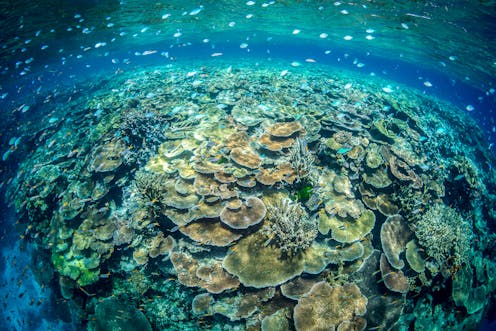
There’s no doubt you’ve heard the Great Barrier Reef is under pressure. The main culprit? Climate change. The main solution? An urgent reduction in greenhouse gas emissions and a shift away from fossil fuels.
Those who promote action to protect the reef therefore have a difficult task. How do we encourage more people to take action on climate change? Whether it’s reducing reliance on fossil fuels in our personal lives, or asking our government to transition from fossil fuels to renewables, what do people need to know, and how do we say it in a way that makes a difference?
Researchers in climate change communication have been grappling with these questions for decades. But we have something other communicators don’t – the reef itself.
In our new research we used experiments to show what many divers, tourism operators and local communities have known for decades – the wonder of the Great Barrier Reef inspires climate action. But it doesn’t just magically happen. The way we talk about it matters.
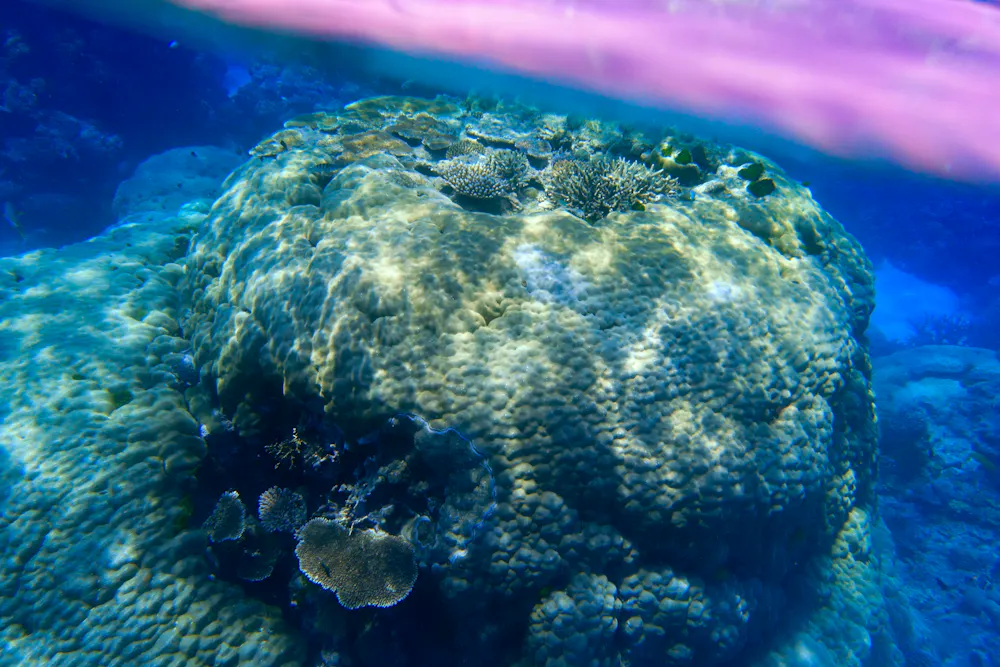
What’s happening on the Great Barrier Reef?
Earlier this year the Bureau of Meteorology officially announced an El Niño weather event, which has already begun to bring hotter than average temperatures to much of Australia. But while Australia braces for a scorcher on land this summer, those working on the Great Barrier Reef are preparing for a marine heatwave.
The marine equivalent of bushfires, heat is set to wreak havoc on marine ecosystems all around Australia. For the Great Barrier Reef, this means increased risk of mass coral bleaching.
These events have occurred four times in recent years (2016, 2017, 2020 and 2022). Scientists expect mass coral bleaching will happen every year if we do not urgently reduce greenhouse gas emissions and eliminate the use of fossil fuels.
But while the science around the Great Barrier Reef is clear, the way we talk about it isn’t.
Read more: Is the Great Barrier Reef reviving – or dying? Here's what's happening beyond the headlines
Different messages about the reef
We are constantly flooded with all kinds of information about the Great Barrier Reef. This can make it tricky for people to understand what is going on and what they can do to help.
Some communicators convey a sense of urgency by emphasising the “reef is dying”. Others warn against the use of apocalyptic-style messages, suggesting fear is an ineffective tool for motivating action. These commentators suggest stories of resilience, restoration and recovery can strengthen motivation and hope. But what really works? How do we talk about the reef in a way that motivates action?
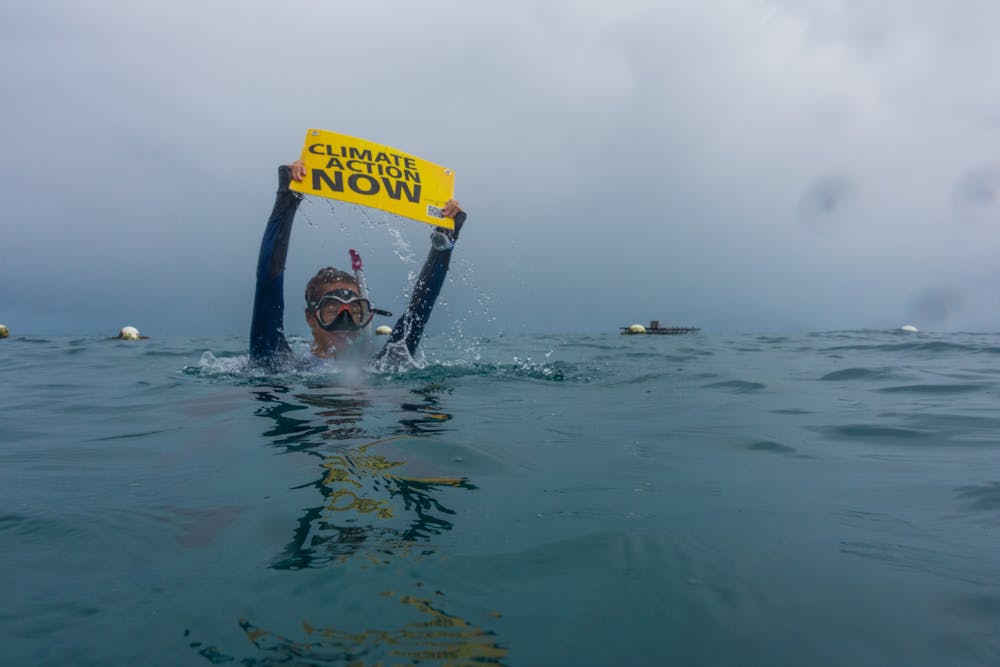 Stronger action on climate change is needed to protect vulnerable and iconic places like the Great Barrier Reef.
Yolanda Waters
Stronger action on climate change is needed to protect vulnerable and iconic places like the Great Barrier Reef.
Yolanda Waters
Read more: Could 'marine cloud brightening' reduce coral bleaching on the Great Barrier Reef?
Which messages work? An experiment
To find out how best to inspire action, we provided 1,452 Australians with one of eight different messages about climate change and/or the Great Barrier Reef. We then looked at which messages were most likely to increase engagement in a range of climate actions.
We found climate messages focusing on the reef were more effective than generic climate messages, compared to a control that included an unrelated message or no message at all.
This suggests the reef itself is a valuable tool for motivating climate action. This was particularly true when we emphasised our collective potential to protect the reef, using language such as “together we can”, and asked people to take action by using their voice. That is, letting their friends, families and politicians know they support stronger action on climate change.
We also found sadness is a necessary ingredient, and there is no need to shy away from the reality of coral bleaching or fear provoking negative emotions. When exploring why these messages focusing on the reef were more effective, we found the effect was largely due to feelings related to sadness, worry and anxiety.
But here’s the rub. For reef messages to work, we found they must include tangible, specific and relevant calls to action. In other words, highlighting the reef is the hook, but we need to show people what they can do to help.
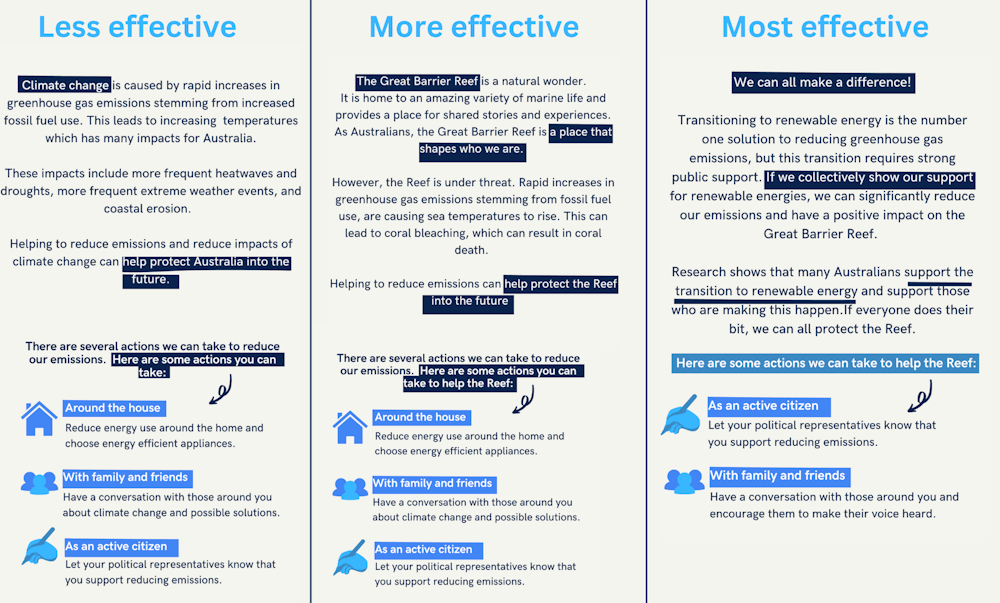 Reef messages were most effective when they focused on social and political actions.
Yolanda Waters
Reef messages were most effective when they focused on social and political actions.
Yolanda Waters
Preparing for a hot reef summer
We can’t control the heatwaves or the headlines coming this summer, but we can do our best to leverage this opportunity to motivate widespread action for the reef.
Here’s how you can talk about the reef this summer:
highlight the iconic nature of the reef and how it is a part of who we are
emphasise collective and motivational language (such as “together we can”) instead of personal and restrictive language (such as “you can reduce”)
state the problem (including the cause – burning fossil fuels) but don’t focus too much on explaining the threat. It’s time to talk about action
avoid broad policy statements such as “to protect the reef, we need to keep global warming to 1.5 degrees” unless they are followed by more specific calls to action
include very specific calls to action. People want to know exactly what you want them to do. Examples include encouraging people to commit to finding ways to reduce their personal carbon footprint, join a climate action group, or have a conversation about climate change with at least one family member or friend
be careful, too many calls to action can be overwhelming. Aim to give one to three options – a mix of easy and difficult actions tends to work best.
Of course, don’t forget to remind people they don’t need to live near the reef to make a difference – people can demand and support climate action from anywhere.
Authors: Yolanda Lee Waters, PhD Candidate, The University of Queensland

















