

Taste depends on nature and nurture. Here are 7 ways you can learn to enjoy foods you don't like
- Written by Nicholas Archer, Research Scientist, Sensory, Flavour and Consumer Sciences, CSIRO
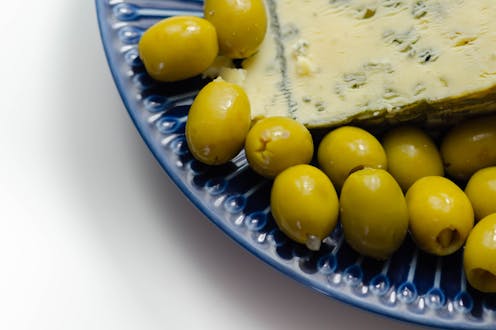
You’re out for dinner with a bunch of friends, one of whom orders pizza with anchovies and olives to share, but you hate olives and anchovies! Do you pipe up with your preferred choice – Hawaiian – or stay quiet?
This scene plays out every day around the world. Some people ferociously defend their personal tastes. But many would rather expand their palate, and not have to rock the boat the next time someone in their friend group orders pizza.
Is it possible to train your tastebuds to enjoy foods you previously didn’t, like training a muscle at the gym?
What determines ‘taste’?
Taste is a complex system we evolved to help us navigate the environment. It helps us select foods with nutritional value and reject anything potentially harmful.
Foods are made up of different compounds, including nutrients (such as proteins, sugars and fats) and aromas that are detected by sensors in the mouth and nose. These sensors create the flavour of food. While taste is what the tastebuds on your tongue pick up, flavour is the combination of how something smells and tastes. Together with texture, appearance and sound, these senses collectively influence your food preferences.
Flavour is the overall impression you get when eating.Many factors influence food preferences, including age, genetics and environment. We each live in our own sensory world and no two people will have the same experience while eating.
Food preferences also change with age. Research has found young children have a natural preference for sweet and salty tastes and a dislike of bitter tastes. As they grow older their ability to like bitter foods grows.
Emerging evidence shows bacteria in saliva can also produce enzymes that influence the taste of foods. For instance, saliva has been shown to cause the release of sulphur aromas in cauliflower. The more sulphur that is produced, the less likely a kid is to enjoy the taste of cauliflower.
Read more: Blame it on mum and dad: how genes influence what we eat
Nature versus nurture
Both genetics and the environment play a crucial role in determining food preferences. Twin studies estimate genetics have a moderate influence on food preferences (between 32% and 54%, depending on the food type) in children, adolescents and adults.
However, since our cultural environment and the foods we’re exposed to also shape our preferences, these preferences are learned to a large degree.
A lot of this learning takes place during childhood, at home and other places we eat. This isn’t textbook learning. It’s learning by experiencing (eating), which typically leads to increased liking of the food – or by watching what others do (modelling), which can lead to both positive or negative associations.
Research has shown how environmental influences on food preferences change between childhood and adulthood. For children, the main factor is the home environment, which makes sense as kids are more likely to be influenced by foods prepared and eaten at home. Environmental factors influencing adults and adolescents are more varied.
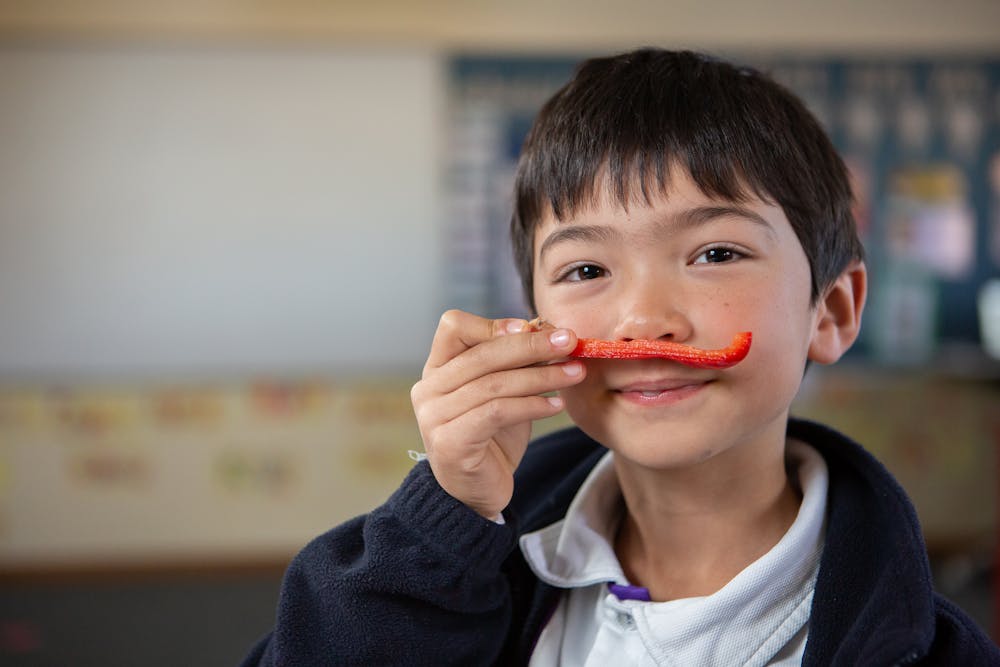
The process of ‘acquiring’ taste
Coffee and beer are good examples of bitter foods people “acquire” a taste for as they grow up. The ability to overcome the dislike of these is largely due to:
the social context in which they’re consumed. For example, in many countries they may be associated with passage into adulthood.
the physiological effects of the compounds they contain – caffeine in coffee and alcohol in beer. Many people find these effects desirable.
But what about acquiring a taste for foods that don’t provide such desirable feelings, but which are good for you, such as kale or fatty fish? Is it possible to gain an acceptance for these?
Here are some strategies that can help you learn to enjoy foods you currently don’t:
eat, and keep eating. Only a small portion is needed to build a liking for a specific taste over time. It may take 10–15 attempts or more before you can say you “like” the food.
mask bitterness by eating it with other foods or ingredients that contain salt or sugar. For instance, you can pair bitter rocket with a sweet salad dressing.
eat it repeatedly in a positive context. That could mean eating it after playing your favourite sport or with people you like. Alternatively, you could eat it with foods you already enjoy; if it’s a specific vegetable, try pairing it with your favourite protein.
eat it when you’re hungry. In a hungry state you’ll be more willing to accept a taste you might not appreciate on a full stomach.
remind yourself why you want to enjoy this food. You may be changing your diet for health reasons, or because you’ve moved countries and are struggling with the local cuisine. Your reason will help motivate you.
start young (if possible). It’s easier for children to learn to like new foods as their tastes are less established.
remember: the more foods you like, the easier it’ll become to learn to like others.
A balanced and varied diet is essential for good health. Picky eating can become a problem if it leads to vitamin and mineral deficiencies – especially if you’re avoiding entire food groups, such as vegetables. At the same time, eating too many tasty but energy-dense foods can increase your risk of chronic disease, including obesity.
Understanding how your food preferences have formed, and how they can evolve, is a first step to getting on the path of healthier eating.
Read more: 9 tips to give yourself the best shot at sticking to new year's resolutions
Authors: Nicholas Archer, Research Scientist, Sensory, Flavour and Consumer Sciences, CSIRO

















