

Modern Australian
The Times

5 ways smartphone photography is changing how we see the world

  • Written by T.J. Thomson, Senior Lecturer in Visual Communication & Digital Media, RMIT University
5 ways smartphone photography is changing how we see the world

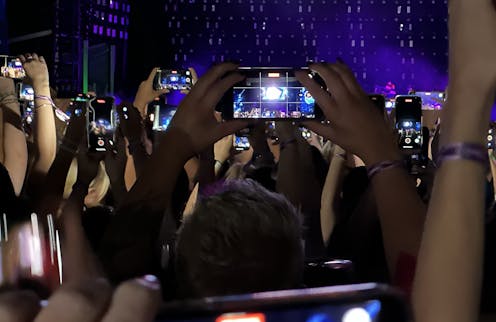
Smartphones are a staple of modern life and are changing how we see the world and show it to others. Almost 90% of Aussies own one, and we spend an average of 5.6 hours using them each day. Smartphones are also responsible for more than 90% of all the photographs made this year.

But compare the camera roll of a 60-year-old with that of a 13-year-old, as we recently did, and you’ll find some surprising differences. In research published in the Journal of Visual Literacy, we looked at how different generations use smartphones for photography as well as broader trends that reveal how these devices change the way we see the world.

Here are five patterns we observed.

1. We make images more casually and with a wider subject matter

Before the first smartphone camera was released in 2007, cameras were used more selectively and for a narrower range of purposes. You might only see them at events like weddings and graduations, or at tourist hotspots on holidays.

Now, they’re ubiquitous in everyday life. We use smartphones to document our meals, our daily gym progress, and our classwork as well as the more “special” moments in our lives.

A triptych of everyday photos showing a meal, a book, and a bottle of medicine.
In the old days cameras only came out for special occasions, but we now tend to use our smartphones to document a wider range of subject matter, including our most recent meal, something we see and want to add to our shopping wish list, or an item at the shops that we want to confirm with a family member. T.J. Thomson

Many middle-aged people use smartphones most for work-related purposes. One of our participants put it this way:

I often take photos of info I want to save, or of clients’ work when I want to then email it to myself to put on the computer. I feel like I’ve gotten a little slack on socially taking photos of friends … but in the day-to-day, I feel like I use it very practically now for basically work, grabbing a photo to upload it online somewhere.

2. We aren’t as selfie-obsessed as some would think

Our participants only used their phone’s front “selfie” camera 14% of the time. They acknowledged the stigma around selfies and didn’t want to be perceived as narcissistic.

3. We’re seeing more vertical compositions

In years past, whether you had a bulky DSLR camera or a lightweight disposable, the “default” grip was to hold it with two hands in a horizontal way. This leads to photos in landscape orientation.

But the vertical design of smartphones and accompanying apps, such as Instagram and Snapchat, are resulting in more photos in portrait orientation. Participants said holding their smartphone cameras this way was more convenient and faster.
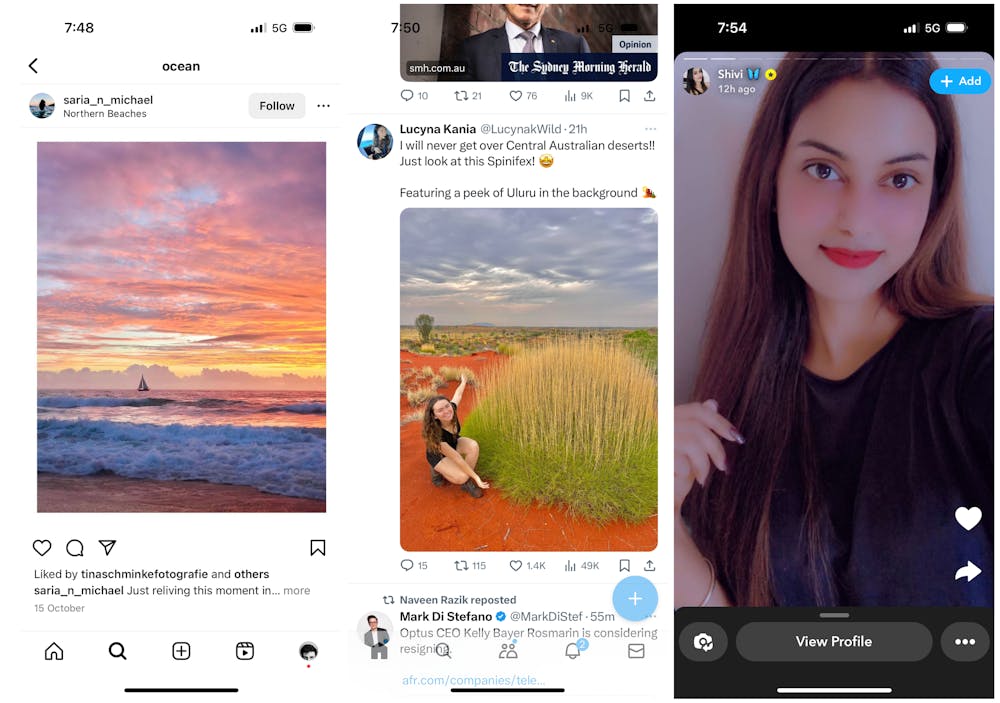
Screenshots from Instagram, X, and Snapchat, showing photos with a vertical orientation or portrait aspect ratio.
The vertical design of smartphones and associated popular social media apps, such as Snapchat, Instagram, and X, influences how people use their smartphone cameras. Instagram / X / Snapchat

4. We like to keep our distance

Participants made more images of people from farther away compared to getting close. Intimate “head and face” framing was only present in fewer than 10% of the images.

In one participant’s words:

I feel like my friends and I get frustrated with parents, when they’re zooming in a photo or they walk in really close. My mom would always get one like right in my face, like this is too close! I don’t want to see this. The zoom in, oh, it’s frustrating!

5. We get inspired by what we see online

Teenagers in particular mentioned social media, especially Instagram, as influencing their visual sensibilities. Older adults were more likely to attribute their sense of aesthetics to physical media, such as photography books, magazines and posters.

This aesthetic inspiration impacts what we take photos of, and also how we do it. For example, young people mentioned a centred compositional approach most often. In contrast, older generations invoked the “rule of thirds” approach more often.

One participant contrasted generational differences like this:

There seems to be a real lack of interest [by younger people] in say, composition, or the use of light or that sort of aesthetic side of getting an image. When my partner and I were kids […] our access to different aesthetics and images was actually very limited. You had the four channels on TV, you had magazines, you had the occasional film, you had record covers, and that was it, you know. Whereas, kids these days, they’re saturated with images but the aesthetic aspect doesn’t seem to be that important to them.

Why the way we make images matters

While technology is changing the way people see the world and make photographs, it’s important to reflect on why we do what we do, and with what effects.

For example, the camera angle we use might either give or take away symbolic power from the subject. Photographing an athlete or politician from below makes them look more strong and heroic, while photographing a refugee from above can make them look less powerful.

Two photos: one taken from a low angle looking up at a posing skateboarder, the other taken from a standing height looking down at three people sitting on the ground at the base of a wall.
The vertical camera angle can sometimes be used pragmatically but sometimes connotes symbolic power differences. The low angle of the athlete at left provides more symbolic power than the high angle of the three figures at right. Vladislav Todorov via Unsplash (left) / Aleksandr Kadykov via Unsplash (right)

Sometimes the camera angles we use are harmless or driven by practicality – think photographing a receipt to get reimbursed later – but other times, the angles we use matter and can reinforce existing inequalities.

As the number of images made each year increases and new ways to make images emerge, being thoughtful about how we use our cameras or other image-making technology becomes more important.

Authors: T.J. Thomson, Senior Lecturer in Visual Communication & Digital Media, RMIT University

Read more https://theconversation.com/casual-distant-aesthetically-limited-5-ways-smartphone-photography-is-changing-how-we-see-the-world-217926

Make Dad a Guest in His Own Home This Father’s Day

Father’s Day can accidentally turn Dad into the unpaid event manager of his own celebration. He lights the barbecue, finds extra chairs, checks wh...

Where to Enjoy Your Off-Road Caravan on the Gold Coast

With a caravan, you can travel anywhere and everywhere without battling the rush of the peak holiday season or last-minute reservations. While the r...

How Osteopathy Supports Recovery from Sciatica and Nerve Pain

Sciatica isn't just annoying. It's genuinely painful. It sits deep in your glute and shoots straight down the back of your leg. It turns something as...

The Winter Jewellery Edit: Five Pieces You'll Wear All Season

As wardrobes shift to cosy knits, tailored coats and rich seasonal textures, jewellery becomes the finishing touch that pulls every winter outfit to...

7 Signs It's Time to Upgrade Your Piston Air Compressor

If you run a workshop, panel shop, or fabrication business anywhere around Perth, you already know what heat and dust do to equipment over a few sum...

How Long Do Bathroom Renovations Melbourne Take? Step-by-Step Process Explained

Planning a bathroom renovation is exciting, but one of the biggest questions homeowners ask is, "How long will it take?" While every project is uniq...

Why Your Skin Breaks Out: The Science of Acne Explained

Acne is the most common skin condition in the world. An estimated 85% of people experience it at some point between the ages of 12 and 24, and a gro...

10 Swimwear Trends Australian Women Are Wearing This Summer

Every Australian summer brings a fresh wave of swimwear trends, but some styles have much greater staying power than others. While fashion constantly ...

Why Regular Skills Updates Are Essential for Licensed Security Officers

A guard at a Brisbane shopping centre gets a call about a shoplifter who's turned aggressive.  They’ve done the job for six years. But their de-...

10 Benefits of Choosing Professional Tutoring Penrith Services

Every student has unique learning strengths, challenges, and academic goals. While classroom teaching provides essential knowledge and structure, so...

Sunshine Coast Baby Classes Prove Big Hit Among First-Time Mums

There's a movement gaining traction on the Sunshine Coast, providing a village of support, socialisation and relief for first-time mothers and babie...

Father's Day Gift Ideas for Men Who Are Hard to Buy For

Some dads are easy to buy for. Others do not want anything, already have everything, or give you the classic "don't worry about me" answer every yea...

Top 5 Mistakes That Wear Out Your Brakes Faster

Brakes don't need frequent replacements like oil changes do.   But a lot of the wear happens quietly, over months, because of habits most drivers...

Plantation Shutters vs Curtains: Which Is Better for Your New Home?

Moving into a new home is an exciting opportunity to personalise your space and make it your own. While many homeowners focus on furniture, flooring...

Celebration of Life vs Traditional Funeral: What's the Difference?

When saying goodbye to someone you love, there is no single way to honour their life. Every family has different traditions, beliefs, and preference...

Building Approval for Roofing Projects: What Homeowners Need to Know

Roofing projects are an important part of maintaining and protecting your home. Whether you're repairing storm damage, replacing an ageing roof, or ...

Chatswood Tutoring And Its Role In Academic Achievement

Academic success often requires more than classroom attendance alone. Students face increasing expectations as they progress through school, particu...

Why Laser Hair Removal Treatments Continue Growing In Popularity

Managing unwanted hair can become time-consuming and frustrating for many people, especially when shaving, waxing, and other temporary methods requi...
















