Can we sustainably harvest trees from tropical forests? Yes – here are 5 ways to do it better
- Written by Francis E Putz, Research Professor, University of the Sunshine Coast
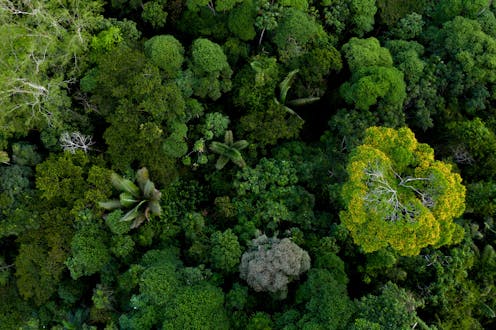
Logging typically degrades tropical forests. But what if logging is carefully planned and carried out by well-trained workers?
While public campaigns to end logging dominate both the popular press and high-profile science journals, a transition from “timber mining” to evidence-based “managed forestry” is underway. Given poor logging practices are likely to continue in about 500 million hectares of tropical forest, efforts to promote responsible forestry deserve more attention.
In our new report we recommend five ways to improve tropical forest management. This work was funded by the United States Agency for International Development (USAID) and the US Forest Service International Program.
Fortunately, these practices are compatible with management for non-timber forest products such as fruits, fibres, resins and medicinal plants, as well as biodiversity conservation. They would also reduce carbon emissions and increase carbon removal in cost-effective ways.
Read more: Fire is consuming more than ever of the world's forests, threatening supplies of wood and paper
Five ways to improve forest fates
Research shows biodiversity is mostly retained in well managed, selectively logged forests. Especially if hunting is controlled and lower-impact logging practices are employed, carbon stocks remain high.
Harvesting 5–10% of the trees does temporarily reduce the total amount of carbon stored in the forest, but these stocks recover quickly if damage to young trees and soils is kept to a minimum.
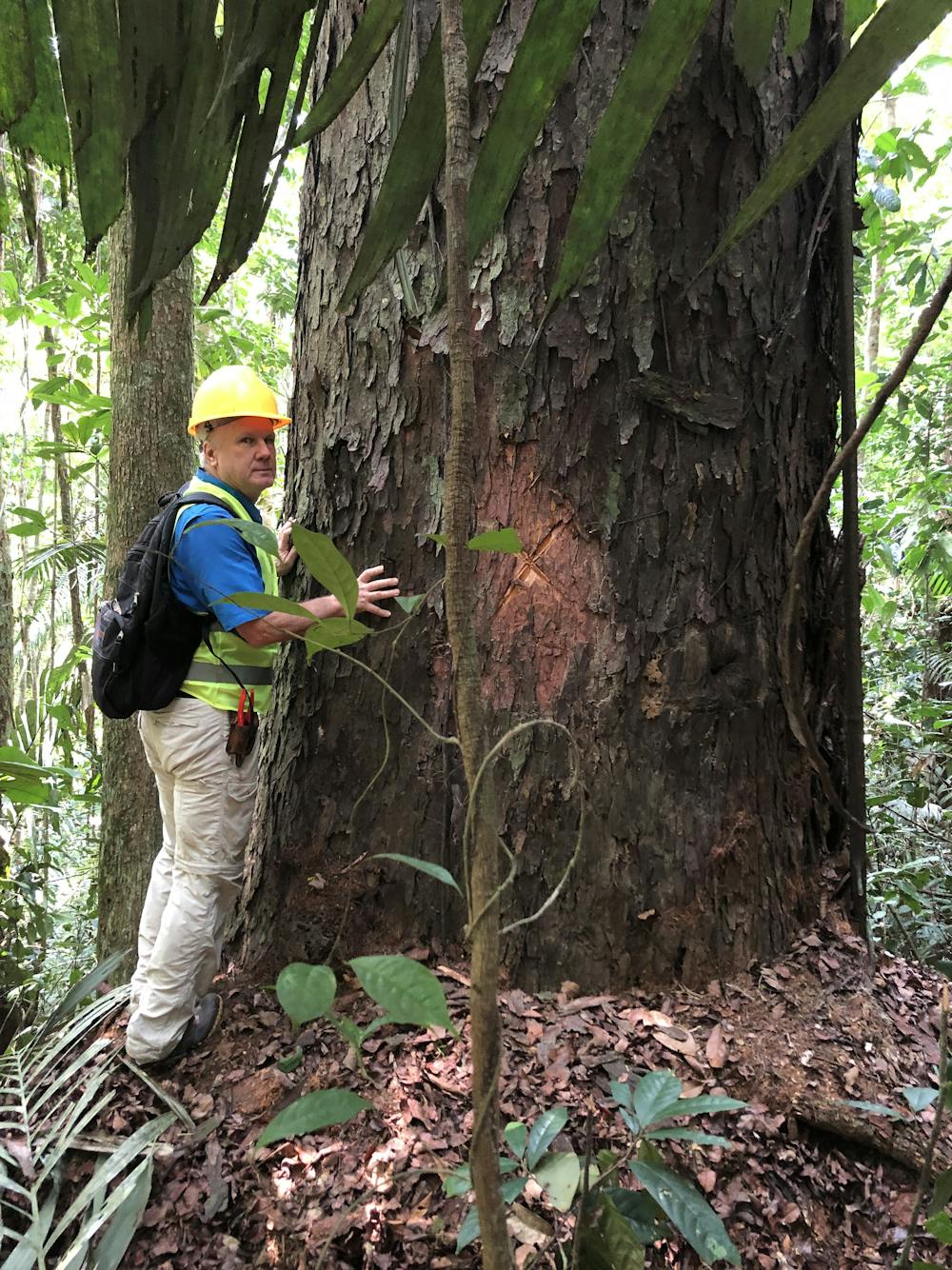
Here are five ways to smooth the transition from “timber mining” and clear-felling to managed forestry featuring selective harvesting:
1. Improve logging practices. Planned harvest operations – carried out by trained workers suitably rewarded for the proper application of lower-impact logging practices – result in less soil erosion, fewer worker injuries, and half the carbon emissions of conventional logging.
2. Waste less wood. Workers can be trained to maximise the recovery of wood from harvesting and processing. For instance, if trees are felled properly, stumps are low and fewer logs are broken.
3. Allow time to recover. Sustaining timber yields often requires leaving forests alone for longer between harvests (reducing harvest freqency) and/or limiting the amount that can be harvested per unit area. Harvest intensity (that is, the numbers of trees or volumes of timber harvested per unit areas) can be reduced by increasing the distance between harvestable trees or by increasing the minimum size of trees that can be felled.
Either restriction reduces short-term profits, but ensures there will be timber to harvest in the future. Fortunately, these changes also reduce carbon emissions from managed forests, for which there should be compensation from carbon market investors seeking to compensate for their own emissions.
4. Protect young trees. If we protect and foster the growth of small trees, they will grow to a suitable size for the next harvest. This is especially important in forests that have been disturbed by previous logging. Liberating the future crop from woody vines (lianas) is a relatively cheap way to augment future timber yields and double the rate at which carbon dioxide is removed from the atmosphere.
5. Plant more trees. In areas that lack natural regeneration of commercial tree species, enrichment planting can help. If these planted trees are regularly tended for several years, growth and carbon sequestration rates can be substantial.
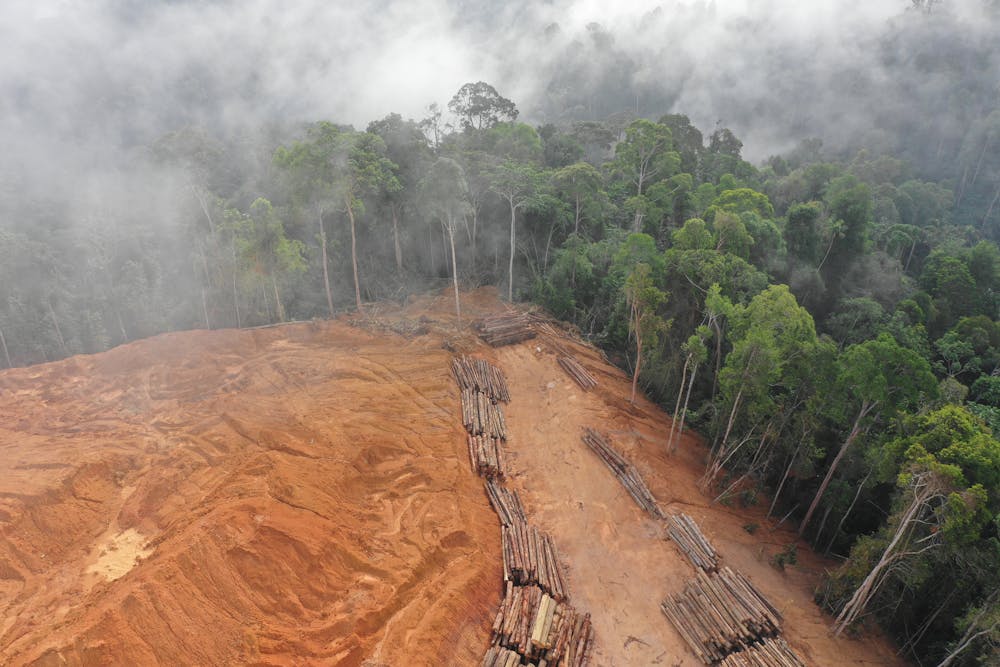 Forest management provides an alternative to deforestation and forest degradation.
Rich Carey, Shutterstock
Forest management provides an alternative to deforestation and forest degradation.
Rich Carey, Shutterstock
Read more: Indonesia is suppressing environmental research it doesn't like. That poses real risks
Managed forestry has multiple carbon benefits
The carbon benefits of all five mechanisms described here are additional. That means they wouldn’t have happened in the absence of the intervention.
So carbon markets should support the transition away from exploitative timber mining once responsible forest management is accepted as a legitimate land use.
Managed forestry also creates jobs for professionals and supports a stable workforce. In contrast, carbon projects based on stopping logging run the risk of sending loggers elsewhere.
From exploitation and degradation to forest management
The long-awaited transition from tropical forest exploitation to responsible forest management requires support from governments, the private sector, and society as a whole.
Governments will need to enforce their laws. Failing to do so will starve their economies of tax revenue. Meanwhile the glut of illegal timber keeps log prices at a rock bottom low.
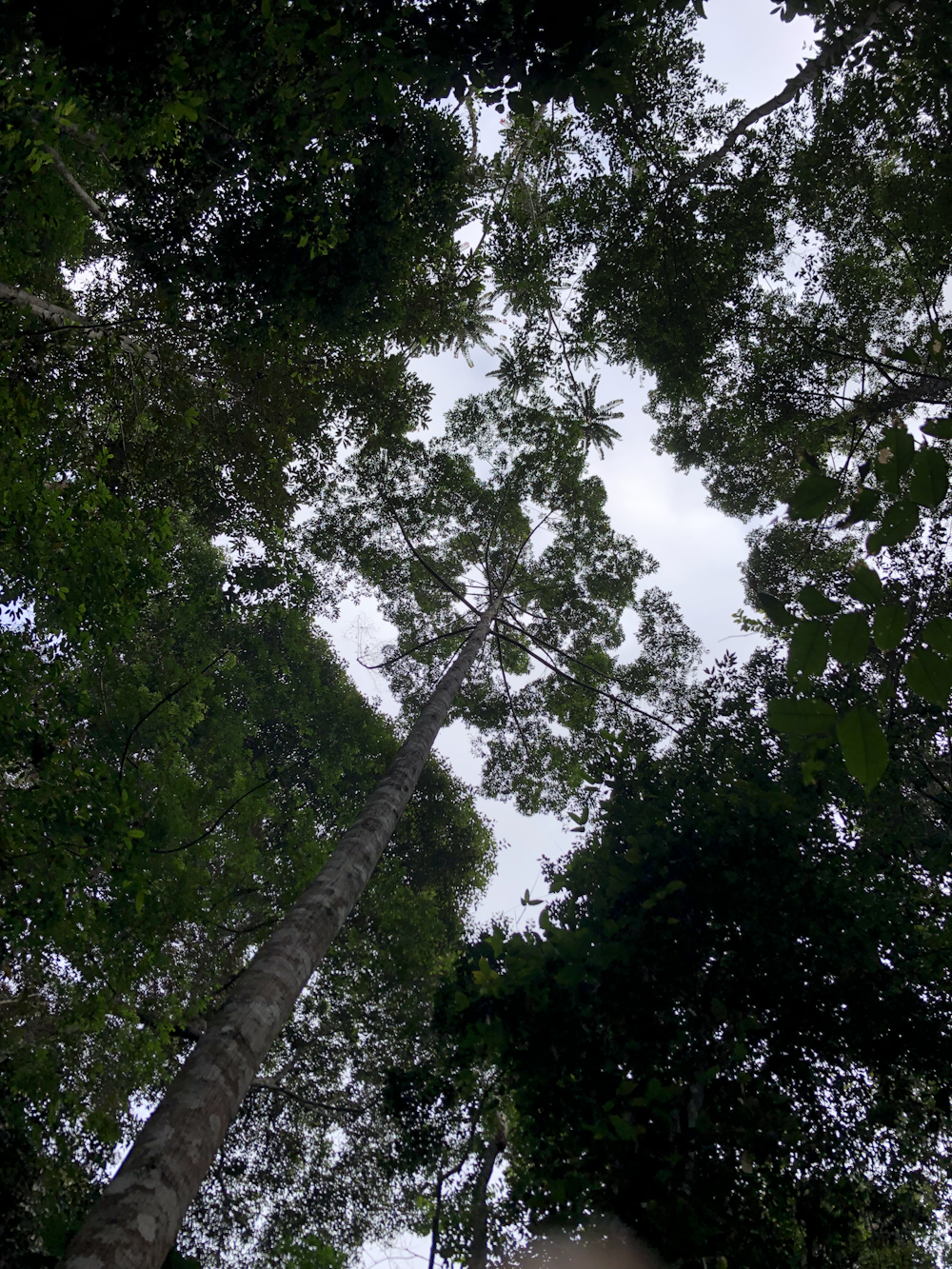 This forest near Gabon in the Congo Basin shows natural regeneration with a young tree growing to fill a gap left by logging.
Claudia Romero
This forest near Gabon in the Congo Basin shows natural regeneration with a young tree growing to fill a gap left by logging.
Claudia Romero
Forest industries need to recognise the benefits of investing in all aspects of forestry including the maintenance of productive timber stands.
Society also needs to support forestry by ensuring the supply of well-trained young foresters. Unfortunately, the common misconception of forest management as a synonym for forest degradation reduces the appeal of the profession to young environmentalists.
The closure of so many undergraduate forestry degrees outside of Brazil, coupled with increased focus on plantations rather than natural forests, makes it hard to find trained and motivated people to support the transition to responsible forest management. But it will be worth the effort, because responsible forest management promises financial, environmental and social benefits.
Authors: Francis E Putz, Research Professor, University of the Sunshine Coast