

Can the government's new market mechanism help save nature? Yes – if we get the devil out of the detail
- Written by Patrick O'Connor, Associate Professor, University of Adelaide
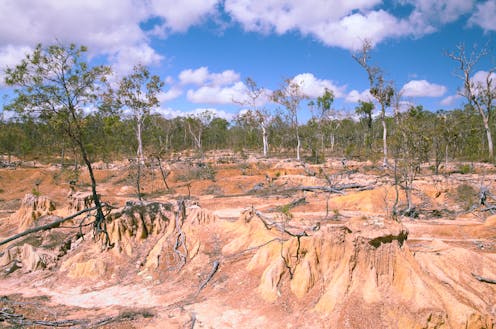
Australians woke up this morning to discover they had a nature repair market, after the legislation passed late last night.
Except it won’t be called a market, after amendments by the Greens, and it won’t include biodiversity offsets.
Many experts have been highly sceptical of using market forces to reverse the damage we’ve done to nature. There is some truth to this. Markets seek to find the point of exchange between sellers (here, farmers and landholders) and buyers (fund managers, government and philanthropic organisations). When a government invents a market, it can try to make it appealing to politics, principles and buyers, while buyers work to drive prices and standards down, and volumes up.
But as someone who has run nature-based market mechanisms in Australia for 20 years, I regard the passing of this legislation as a tentative step forwards. Market mechanisms can work, if done right. The sheer scale of what we have done to nature means we need large-scale action. Giving nature repair projects a tradeable value and government-backed quality assurance could help – if it works for both nature and investors.
Even though the bill has passed, there is much detail we are yet to see. And as we all know, the devil is in the detail.
Can a bill like this work without offsets?
When first proposed, conservationists criticised the nature repair bill’s allowance of offsets – essentially, if you clear land for a development in one place, you have to revegetate or protect a similar amount of land elsewhere. That’s because offsets can be seen as an easy solution – pay money and you can still trash nature. Or a developer might rip out scarce threatened species habitat and replant acacias, of which we have a vast amount.
Now the offsets are gone. Or are they? This bill is not the end of the line. The harder debate is yet to come as the government prepares reform of the far bigger Environment Protection and Biodiversity Conservation Act – the main environmental protection laws we have at federal level, and widely regarded as not currently up to the task.
The government is likely to include offsets in this act rather than the Nature Repair Act. Why? Because development of any kind involves making changes to nature – and we will need a lot of new infrastructure as we work towards net zero, such as transmission lines for renewable energy projects.
The government will want to use offsetting to compensate nature for losses from new infrastructure. If there are no offsets available, you either do the development without trying to repair nature, or don’t do the development at all. The fight over offsetting may only have been kicked down the road.
So what do we have that we didn’t have yesterday?
We will now have a market framework that will make it possible to buy and sell certificates generated by certified nature repair projects.
For example, for koala habitat this could include reducing stock grazing, managing weeds and pest animals and agreeing to a covenant on the land to prevent future habitat loss due to development.
This isn’t the first time we’ve tried to use market forces for nature. Auctions for biodiversity gains, for instance, have worked well in the past and are working now in New South Wales.
Read more: The government hopes private investors will help save nature. Here's how its scheme could fail
There are lessons to learn from the problems the carbon credit market has faced around integrity. But we don’t have to make the same mistakes for a biodiversity market.
A recent review I coauthored of pilots for the previously proposed biodiversity market points to important lessons from earlier efforts. These include the vital importance of reducing upfront costs for landholders who want to get involved and building trust and confidence in the supporting arrangements.
This will require some public investment to support landholders to meet the measurement and planning costs to participate in the market.
Australia needs to act and act quickly to protect and restore nature where further degradation would be difficult or impossible to reverse. We have recognised the need for action and signed up to international commitments to protect and restore 30% of the continent’s lands and waters by 2030.

Read more: 'Nature positive' isn't just planting a few trees – it's actually stopping the damage we do
Why would investors plough money into nature?
Many reasons. The main one is the growing recognition of how the health of nature underpins the global economy and traditional investment assets such as agriculture. The World Economic Forum estimates biodiversity credit values could reach A$3 billion by 2030 and $104 billion by 2050.
Demand is rising, driven by regulation, corporate reputation and mission, market edge and attractiveness to investors. Organisations like the Taskforce on Nature-related Financial Disclosures are driving work on nature-related risks and opportunities for finance globally.
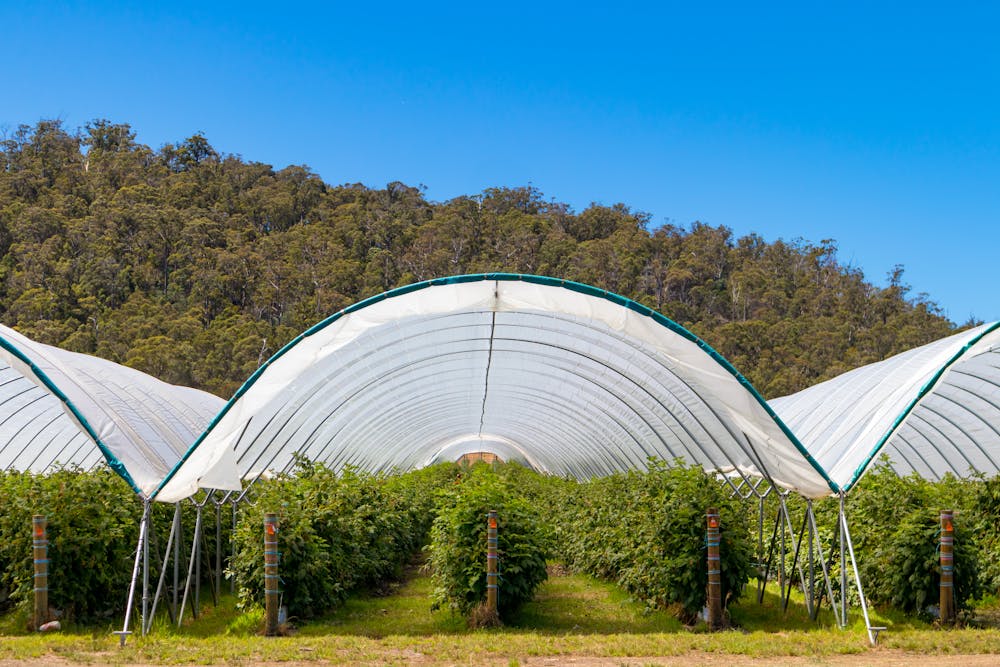 Agriculture and other sectors rely on the health of the natural world.
Shutterstock
Agriculture and other sectors rely on the health of the natural world.
Shutterstock
While there has been scepticism about whether the market really exists for nature repair in Australia, there are some signs investors are ready. For instance, Western Australia’s first green bond was greatly oversubscribed at its launch this year, promising to invest in projects with environmental benefits such as energy transition.
We won’t see investing in nature repair ramp up until all necessary laws and regulations are in place, projects begin to generate credits and the risks and opportunities are clear. This could take a couple of years, but could take longer if the reforms to the environment act are held up.
The design of the new market remains unclear and its success in channelling private funds into genuine nature repair will depend on the standards and rules still to be set.
We should set the standard high and make the most of our expertise in good governance, technology and innovation to make Australia’s natural world an attractive place to invest.
Authors: Patrick O'Connor, Associate Professor, University of Adelaide

















