

If humans disappeared, what would happen to our dogs?
- Written by Bradley Smith, Senior Lecturer in Psychology, CQUniversity Australia
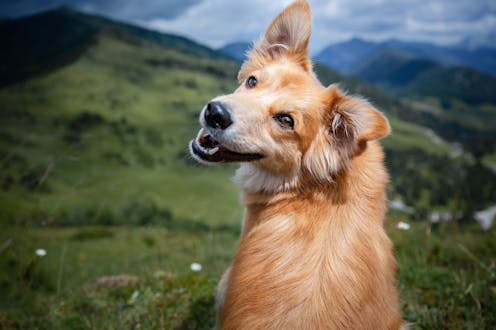
For many of us, dogs are our best friends. But have you wondered what would happen to your dog if we suddenly disappeared? Can domestic dogs make do without people?
At least 80% of the world’s one billion or so dogs actually live independent, free-ranging lives – and they offer some clues. Who would our dogs be if we weren’t around to influence and care for them?
What are dogs?
Dogs hold the title of the most successful domesticated species on Earth. For millennia they have evolved under our watchful eye. More recently, selective breeding has led to people-driven diversity, resulting in unique breeds ranging from the towering Great Dane to the tiny Chihuahua.
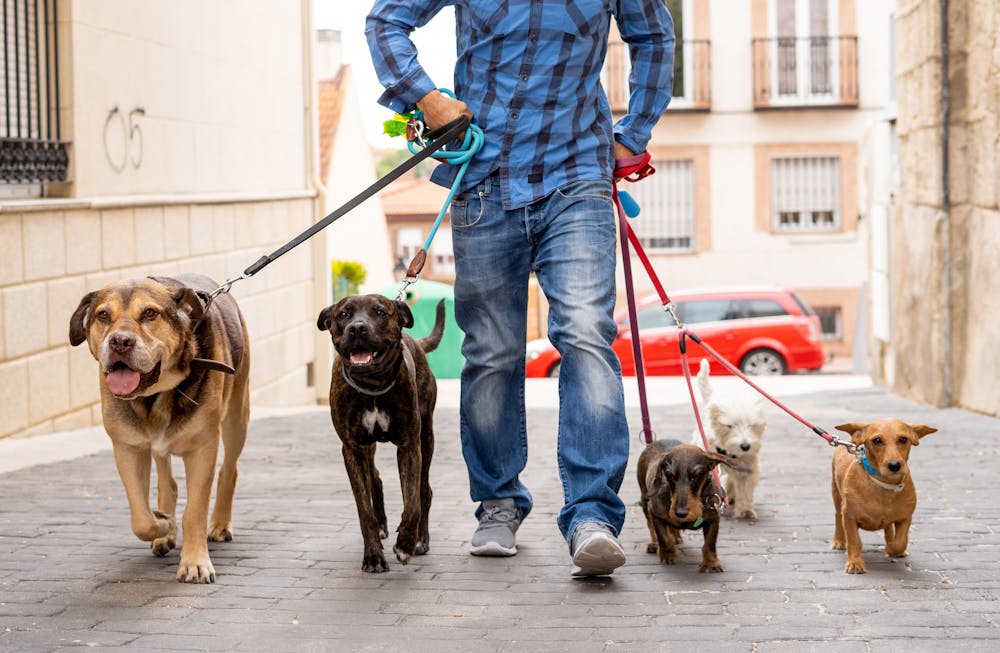
Humanity’s quest for the perfect canine companion has resulted in more than 400 modern dog breeds with unique blends of physical and behavioural traits. Initially, dogs were bred primarily for functional roles that benefited us, such as herding, hunting and guarding. This practice only emerged prominently over the past 200 years.
Some experts suggest companionship is just another type of work humans selected dogs for, while placing a greater emphasis on looks. Breeders play a crucial role in this, making deliberate choices about which traits are desirable, thereby influencing the future direction of breeds.
Are we good for dogs?
We know certain features that appeal to people have serious impacts on health and happiness. For instance, flat-faced dogs struggle with breathing due to constricted nasal passages and shortened airways. This “air hunger” has been likened to experiencing an asthma attack. These dogs are also prone to higher rates of skin, eye and dental problems compared with dogs with longer muzzles.
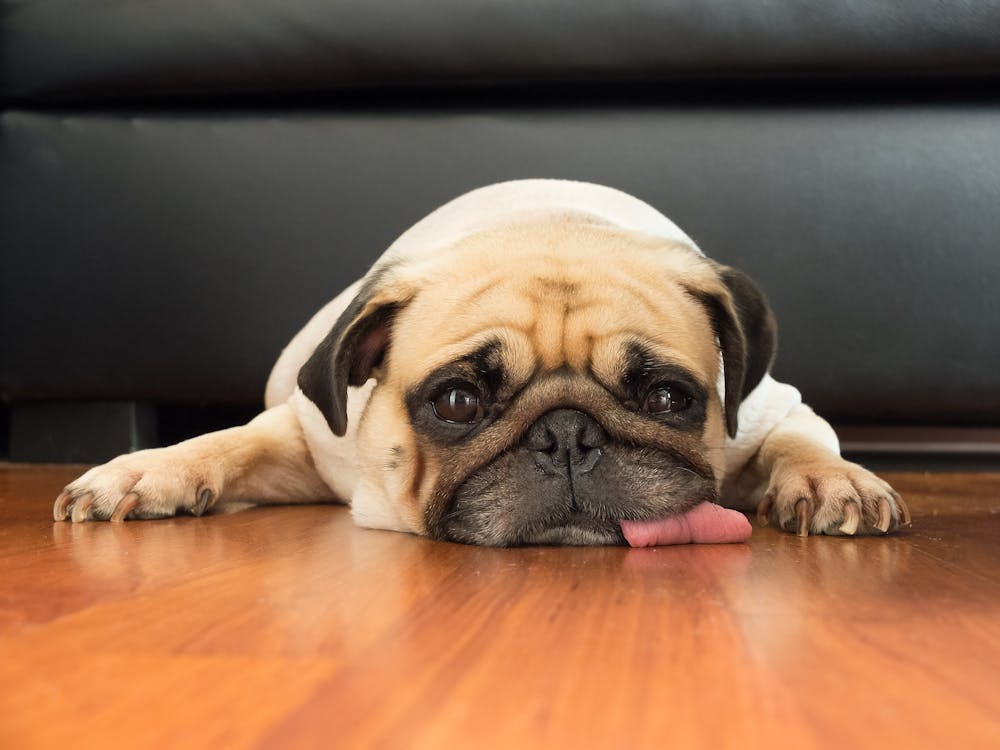 Flat-faced dogs such as pugs and bulldogs often aren’t comfortable in the bodies we’ve bred them for.
Shutterstock
Flat-faced dogs such as pugs and bulldogs often aren’t comfortable in the bodies we’ve bred them for.
Shutterstock
Many modern dogs depend on human medical intervention to reproduce. For instance, French Bulldogs and Chihuahuas frequently require a caesarean section to give birth, as the puppies’ heads are very large compared with the mother’s pelvic width. This reliance on surgery to breed highlights the profound impact intensive selective breeding has on dogs.
And while domestic dogs can benefit from being part of human families, some live highly isolated and controlled lives in which they have little agency to make choices – a factor that’s important to their happiness.
Read more: In an Australian first, the ACT may legally recognise animals' feelings
Dogs without us
Now imagine a world where dogs are free from the guiding hand of human selection and care. The immediate impact would be stark. Breeds that are heavily dependent on us for basic needs such as food, shelter and healthcare wouldn’t do well. They would struggle to adapt, and many would succumb to the harsh realities of a life without human support.
That said, this would probably impact fewer than 20% of all dogs (roughly the percentage living in our homes). Most of the world’s dogs are free-ranging and prevalent across Europe, Africa and Asia.
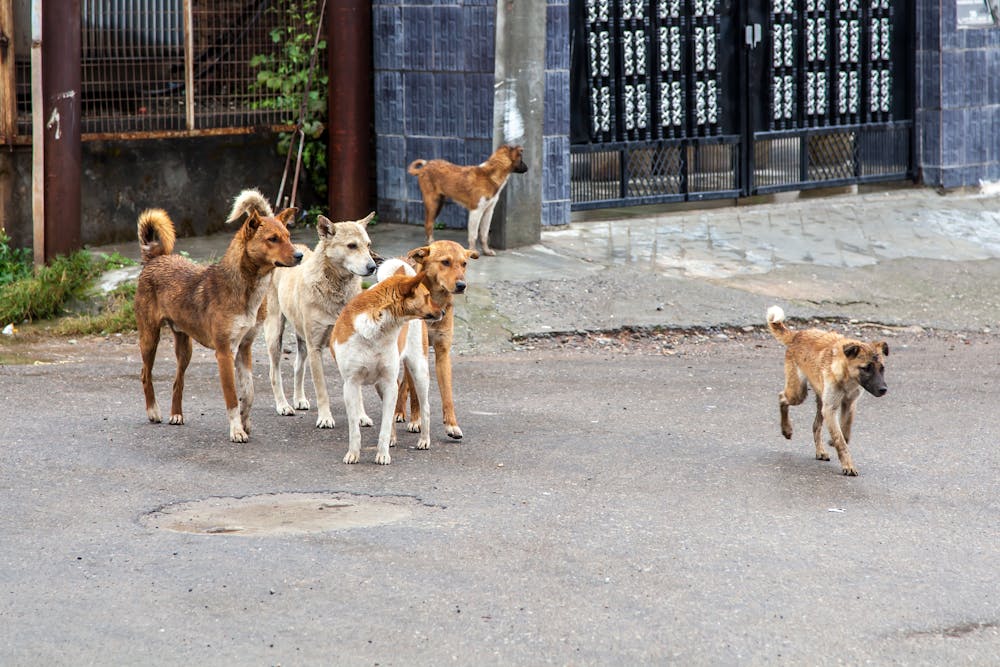 Many dogs live independently around people, like these dogs seen on the street in India.
Shutterstock
Many dogs live independently around people, like these dogs seen on the street in India.
Shutterstock
But while these dogs aren’t domesticated in a traditional sense, they still coexist with humans. As such, their survival depends almost exclusively on human-made resources such as garbage dumps and food handouts. Without people, natural selection would swiftly come into play. Dogs that lack essential survival traits such as adaptability, hunting skills, disease resistance, parental instincts and sociability would gradually decline.
Dogs that are either extremely large or extremely small would also be at a disadvantage, because a dog’s size will impact its caloric needs, body temperature regulation across environments, and susceptibility to predators.
Limited behavioural strategies, such as being too shy to explore new areas, would also be detrimental. And although sterilised dogs might have advantageous survival traits, they would be unable to pass their genes on to future generations.
No more designer breeds
Ultimately, a different type of dog would emerge, shaped by health and behavioural success rather than human desires.
Dogs don’t select mates based on breed, and will readily mate with others that look very different to them when given the opportunity. Over time, distinct dog breeds would fade and unrestricted mating would lead to a uniform “village dog” appearance, similar to “camp dogs” in remote Indigenous Australian communities and dogs seen in South-East Asia.
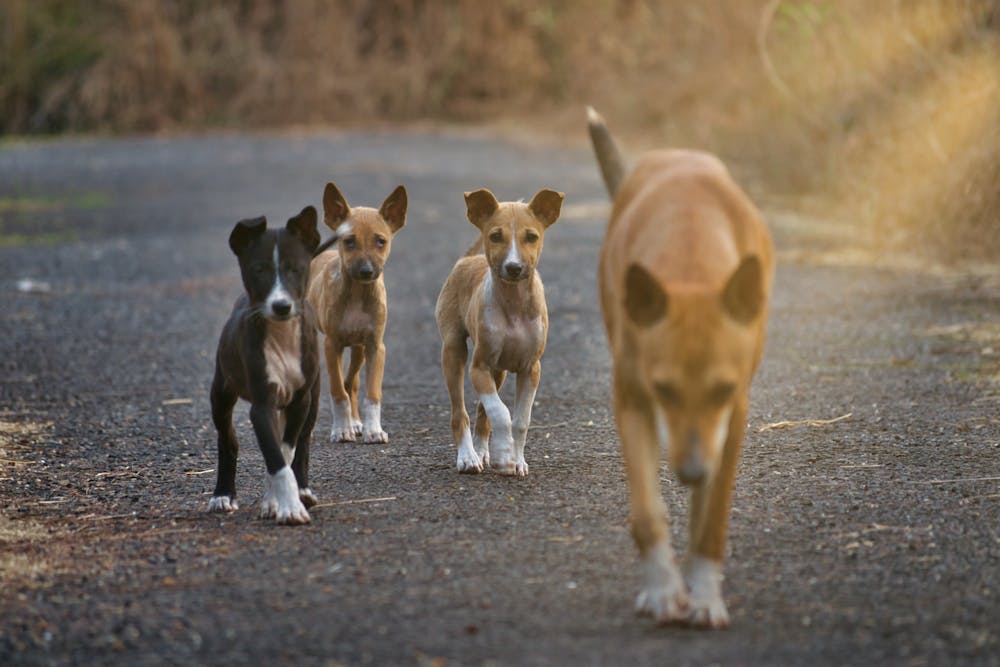 Village and camp dogs are used to having more agency, including social, sexual and environmental freedom.
Shutterstock
Village and camp dogs are used to having more agency, including social, sexual and environmental freedom.
Shutterstock
These dogs typically have a medium size, balanced build, short coats in various colours, and upright ears and tails. However, regional variations such as a shaggier coat could arise due to factors such as climate.
In the long term, dogs would return to a wild canid lifestyle. These “re-wilded” dogs would likely adopt social and dietary behaviours similar to those of their current wild counterparts, such as Australia’s dingoes. This might include living in small family units within defined territories, reverting to an annual breeding season, engaging in social hunting, and attentive parental care (especially from dads).
This transition would be more feasible for certain breeds, particularly herding types and those already living independently in the wild or as village dogs.
What makes a good life for dogs?
In their book A Dog’s World, Jessica Pierce and Marc Bekoff explore the idea of “doomsday prepping” our dogs for a future without people. They encourage us to give our dogs more agency, and consequently more happiness. This could be as simple as letting them pick which direction to walk in, or letting them take their time when sniffing a tree.
As we reflect on a possible future without dogs, an important question arises: are our actions towards dogs sustainable, in their best interests, and true to their nature? Or are they more aligned with our own desires?
By considering how dogs might live without us, perhaps we can find ways to improve their lives with us.
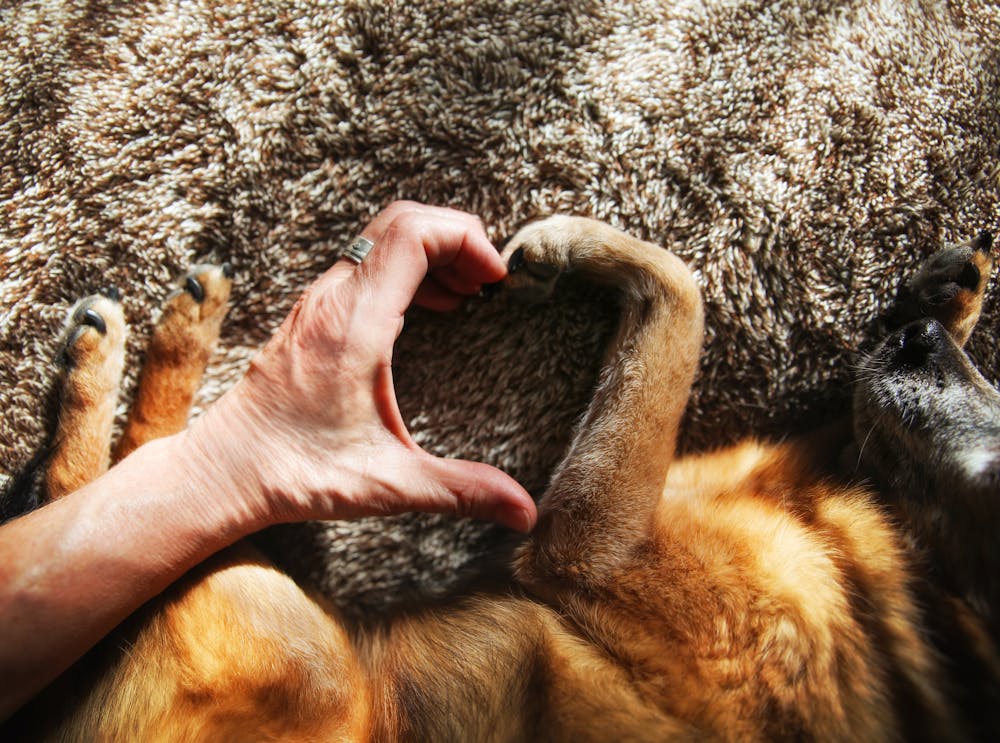 Providing a good life for dogs requires thinking about their mental well-being, health and environment.
Shutterstock
Providing a good life for dogs requires thinking about their mental well-being, health and environment.
Shutterstock
Authors: Bradley Smith, Senior Lecturer in Psychology, CQUniversity Australia
Read more https://theconversation.com/if-humans-disappeared-what-would-happen-to-our-dogs-218703

















