Hard-fought COP28 agreement suggests the days of fossil fuels are numbered – but climate catastrophe is not yet averted
- Written by Matt McDonald, Associate Professor of International Relations, The University of Queensland
As negotiators stagger towards their beds in Dubai and another year’s climate talks come to a close, it’s time to take stock. Did COP28 achieve the big breakthrough the world needs on climate change?
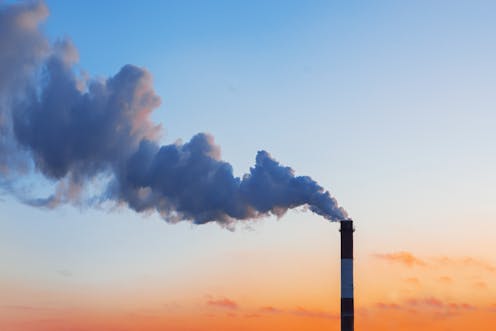
Probably not. But the final agreement – met with an ovation – includes a first call for nations to transition away from fossil fuels. It’s a step short of a commitment to phasing the fuels out, as some delegates had pushed for. But the development suggests the days of fossil fuels are numbered.
The overriding question the world now faces is whether the broad commitments nations agreed to are enough as climate change gathers pace. The answer, alarmingly, is no.
UAE: controversial hosts
This year’s talks were controversial from the start.
The role of oil man Sultan Al Jaber as COP28 president fuelled concerns about the hosting role of the United Arab Emirates – a country with significant interests in sustaining a fossil fuel economy. Then came reports Al Jaber had questioned the scientific rationale for phasing out fossil fuels to tackle climate change, amid reports of fossil fuel trade negotiations on the sidelines of negotiations).
On top of this, unprecedented numbers of fossil fuel lobbyists and geoengineering advocates attended the talks. This did not create the ideal conditions for action on climate change.

‘Loss and damage’ breakthrough
To their credit, the organisers had an early win with an agreement to establish a “loss and damage” fund whereby richer nations compensate poorer nations for the effects of climate change. The creation of this fund is one of the big outcomes of the talks. It’s taken a long time to get here, after initially being suggested by Vanuatu in 1991 and supported in principle in last year’s talks in Egypt.
Why is it needed? Because developing states are particularly vulnerable to the damage done by climate change, and have limited ability to meet the cost of repair and rebuilding. The fund also points to the particular obligations of developed states and significant emitters who have largely caused the problem.
But there are still big questions about the measure – most importantly, how well it will be funded. Despite the fanfare, just US$700 million has been committed so far to the fund aimed at compensating states for damage that, according to recent estimates, already runs into the hundreds of billions per year.
There are also concerns over having the fund administrated by the World Bank, which has questionable environmental credentials and a patchy record on transparency.
Of course, the fund itself is an admission of failure. It’s needed only because the international community has failed to stop climate change from happening, and is unlikely to prevent it reaching dangerous levels.
Read more: COP28 climate summit just approved a 'loss and damage' fund. What does this mean?
Deckchairs on the Titanic?
As the talks went on, they got harder. The tricky topic: fossil fuels. It may amaze outsiders, but this, the 28th annual climate talks, is the first time nations have directly addressed phasing out fossil fuels. Last year, nations agreed to accelerate the exit from coal – the dirtiest fuel – but said nothing of gas or oil.
For days, debate raged over whether to apply phrases such as “phasing out” or “phasing down” or the term “unabated” to fossil fuels. Even the word “could” became controversial, when tied to the suggestion countries might consider limiting fossil fuel production and consumption. To victims of climate change, the arguments might look like rearranging deckchairs on the Titanic.
Some nations were prepared to acknowledge the need to eliminate fossil fuels. Others noted the need for a future transition without compromising their need to develop or earn export income. Still others suggested the effects of fossil fuels might be minimised through technologies such as carbon capture and storage.
All 198 participating countries needed to approve any final declaration. So you can see the difficulty in reaching consensus.
More than 100 countries have pushed for a global commitment to a total phase-out of fossil fuels. But nations that profit immensely from fossil fuels – such as Russia, Iran, Iraq and Saudi Arabia – opposed any mention of fossil fuels in the final document.
 Fossil fuel phase down or out?
Peter Dejong/AP
Fossil fuel phase down or out?
Peter Dejong/AP
The first draft of the declaration did not go down well.
Host negotiators attempted to broker a deal between the competing interests by omitting any reference to phasing “out” or “down”. Instead, they suggested countries “could” consider reducing production and consumption of fossil fuels. The compromise text produced by COP28 president Al Jaber and his team seemed to err on the side of fossil fuel interests. Despite this, the fossil fuel backers were still opposed.
Outcry was swift from advocates for strong climate action. The draft was labelled a “death certificate” by vulnerable small island states, while a withering attack) came from concerned states, NGOs and even states with patchier climate records such as Australia, the United States, Canada and Japan.
An agreement - but is it enough?
As talks extended well beyond the original deadline, it came as some surprise that the final document was endorsed relatively swiftly.
The final version was more strident on the contribution of fossil fuels to climate change, and some advocates saw this as a significant signal. It asserted that the transition from fossil fuels needed to take place quickly, though “in a just, orderly and equitable manner, accelerating action in this critical decade, so as to achieve net zero by 2050 in keeping with the science”.
It says something about the glacial pace of climate talks since they began in 1992 that this is the first time the contribution of fossil fuels to climate change has ever been acknowledged in a final COP document. And here, critics lamented the lack of detail over how goals would be implemented or commitments realised.
The conference also delivered important commitments to tripling renewable energy, expanding nuclear power, and a new pledge to cut emissions from cooling technologies such as air conditioning, which will become increasingly important as the world heats up. The talks also saw recognition of the increasingly significant role of the agricultural sector in contributing to climate change.
But more must be done. In 2023, temperatures are already spiking past the crucial threshold of 1.5°C. The global stocktake of emissions cuts released in advance of the talks shows our current efforts are not enough to stop further warming. Countries such as Australia advocated stronger language on ending fossil fuels while maintaining a steady pipeline of new fossil fuel projects at home. It’s little wonder, then, that the lead negotiator of the the Alliance of Small Island States said “the process has failed us”.
In short, and despite the diplomatic achievement of an agreement that looked unlikely only hours earlier, it’s still hard to say the international community is taking this enormous challenge as seriously as it should.
Authors: Matt McDonald, Associate Professor of International Relations, The University of Queensland