Modern Australian
The Times

As the billionaires gather at Davos, it's worth examining what's become of their dreams

  • Written by John Quiggin, Professor, School of Economics, The University of Queensland

Gathering for their annual World Economic Forum at Davos in Switzerland this week, the world’s business and political elite will be digesting some unpleasant reading courtesy of the aid agency Oxfam International.

Oxfam’s annual report on global inequality released this morning shows the wealth of the world’s five richest billionaires has more than doubled since the start of the decade, while 60% of humanity has grown poorer.

Among the findings of the report entitled Inequality Inc are that

  • billionaires own US$3 trillion more than they did three years ago, meaning their wealth has grown at three times the rate of inflation

  • even in Australia, the wealth of billionaires has climbed 70%

  • five billion other people can’t afford what they could three years ago.

Progress in Africa, which seemed promising for much of this century, has stalled since COVID.

And large parts of the populations in wealthy countries, feeling left behind, have been lured by the appeal of rightwing populism – ironically, largely promoted by billionaires and their advocates.

Dreams of Davos past

This isn’t how things were supposed to turn out.

In its glory days in the 1990s, the Davos forum was the driving force promoting the idea of stakeholder capitalism in which corporations controlled by shareholders were supposed to advance the interests of everyone who had a stake in their activities: workers, consumers, communities and the environment.

The Forum still promotes the idea on its website.
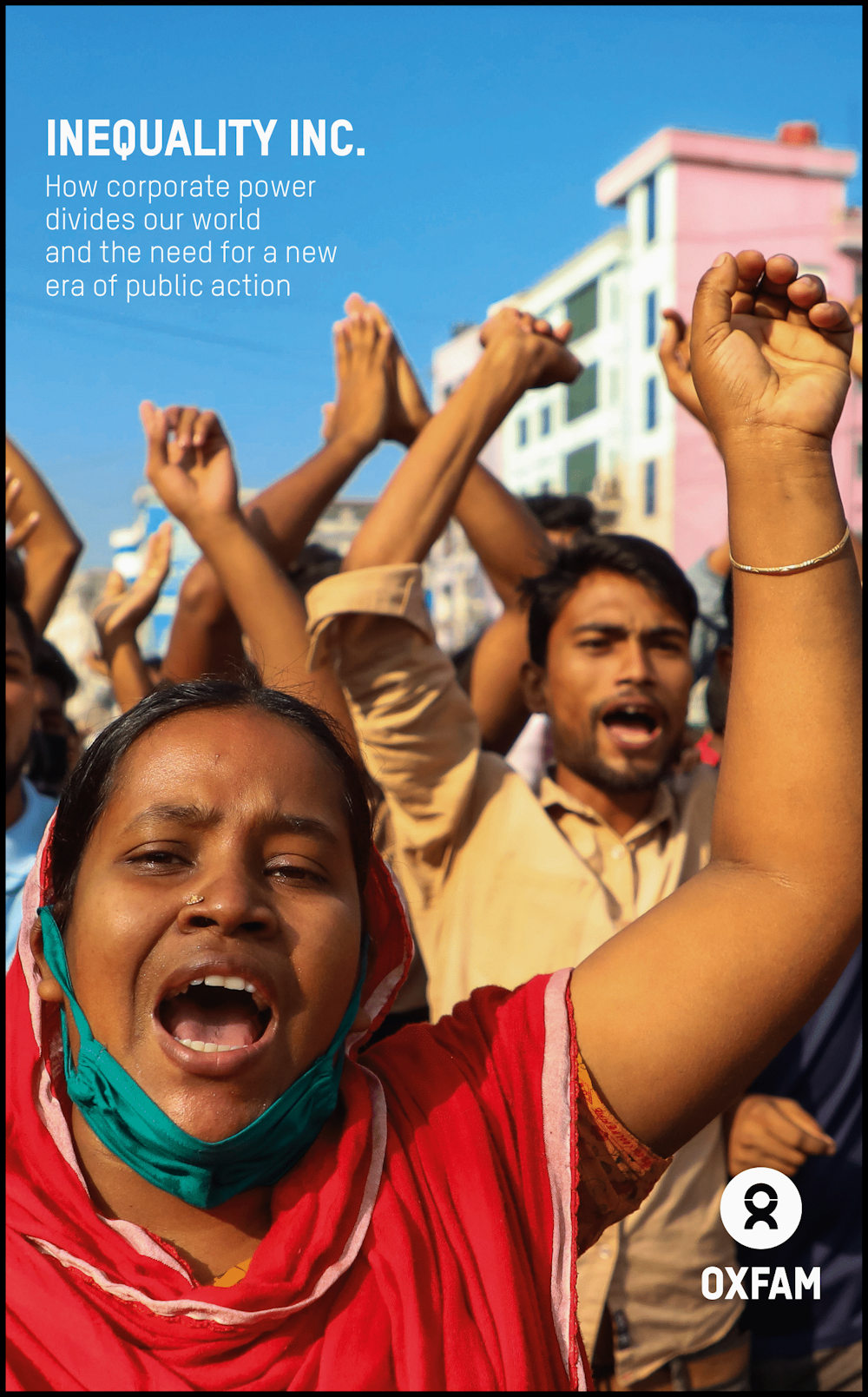
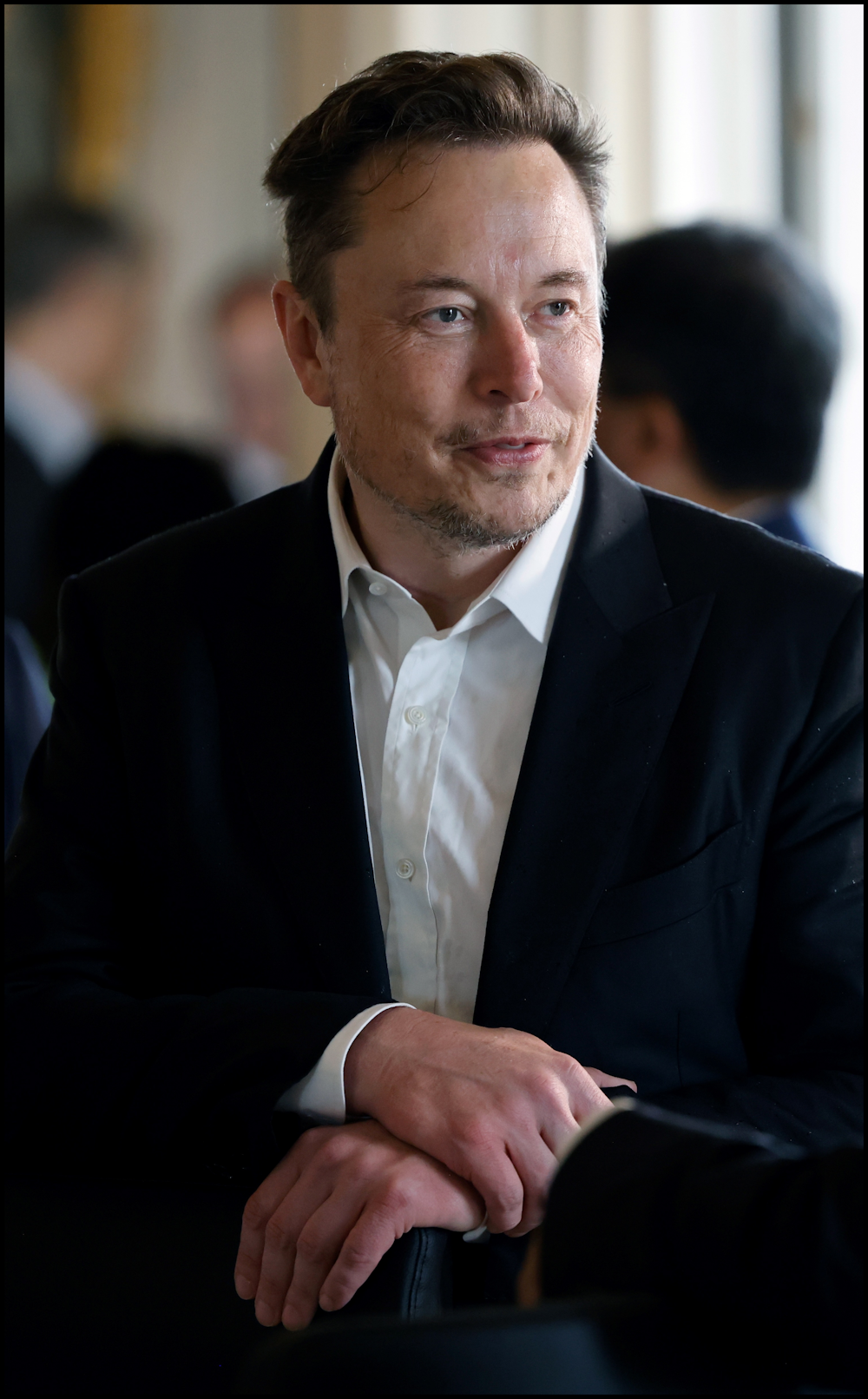
Inequality Inc., Oxfam International Back then, as communism collapsed, everything seemed possible. Pundits like Thomas Friedman spoke of a golden straitjacket in which universal prosperity could be achieved if only the world embraced liberal capitalism, overseen by an electronic herd of fund managers making investment decisions. With appropriately-constrained policies, governments could ensure a rising economic tide lifted all boats. In the UK and the US the so-called Third Way policies of Tony Blair and Bill Clinton were seen as delivering capitalism with a human face. Three decades on, that vision is looking increasingly threadbare. From the left, there is increasing pressure for radical alternatives; from the right, there is increasing pushback against the Forum’s brand of “woke capitalism”. Financial managers remain as powerful as ever, but in the aftermath of the global financial crisis and multiple exposures of criminal wrongdoing by their firms, there is less and less faith in their beneficence and collective wisdom. Read more: Brian Schmidt: my five days in Davos Billionaires are becoming the problem Billionaires were not important enough to be seen as a major problem back in the early 1990s. In 1991, as communism collapsed, Forbes Magazine assessed the total wealth of the world’s five richest people at less than $US70 billion. And the most prominent billionaires at the time were relatively appealing figures like Bill Gates and Warren Buffett. But since then, while US prices have doubled, the wealth of the top five has climbed tenfold. And they have become less interested in the idea that others should benefit from the system that has benefited them. A case in point is Jeff Bezos who is number three on the rich list with net wealth of US$114 billion and runs Amazon whose brutal working conditions and anti-union stance are detailed in the Oxfam report. Elon Musk is different from billionaires of an earlier era. Ludovic Marin/AAP Another is Elon Musk, number two on the rich list with US$180 billion, who could once have been seen as merely eccentric, but his recent embrace of neo-Nazis goes further. And, appropriately for what Oxfam calls the gilded age of division, another is the very richest man in the world, Bernard Arnault, whose family owns luxury goods brands including Louis Vuitton and Sephora. Arnault embodies the resurgence of what Thomas Piketty has called patrimonial society. He took over the management of his father’s business and intends to pass his business on to his sons. All have benefited from what is sometimes called neoliberalism: the mix of ideas including privatisation, financial deregulation and tax cuts that was meant to deliver stakeholder capitalism. What neoliberalism has given us instead is greater division – something the billionaires gathered at Davos ought to consider this week as they reminisce about forums past. A reasonable set of fresh ideas would be that put forward by Oxfam: direct government intervention to reduce inequality including but not limited to reasserting the roles of governments as regulators and service providers abdicated on the advice of gatherings such as the one in Davos. Authors: John Quiggin, Professor, School of Economics, The University of Queensland

Read more https://theconversation.com/as-the-billionaires-gather-at-davos-its-worth-examining-whats-become-of-their-dreams-220876

Chatswood Tutoring And Its Role In Academic Achievement

Academic success often requires more than classroom attendance alone. Students face increasing expectations as they progress through school, particu...

Why Laser Hair Removal Treatments Continue Growing In Popularity

Managing unwanted hair can become time-consuming and frustrating for many people, especially when shaving, waxing, and other temporary methods requi...

Choosing the Right Devices for a Flexible Workplace

For IT leaders managing large fleets, the device layer is where workforce productivity and security policy meet. The shift towards flexible and hybrid...

How Business Advisory Services Help Companies Achieve Sustainable Growth

Every business owner aims to build a profitable and sustainable organisation. While dedication, innovation, and hard work are important, achieving l...

Why Body Contouring Has Become A Popular Cosmetic Treatment

Many people maintain healthy lifestyles through regular exercise and balanced eating habits but still struggle with stubborn areas of fat that are d...

How to Choose the Right POS Hardware for Your Business in Australia

A lot of Australian business owners spend weeks researching POS software but buy hardware almost as an afterthought. That's a mistake. The wrong har...

Why Material Handling Hose Is Critical for Industrial Efficiency

A high-performance material handling hose is an essential component in industries that transport abrasive, dry, or bulk materials on a daily basis...

How to Choose the Right Lawyer in Melbourne for Your Situation

Choosing legal support can feel difficult, especially when the stakes are personal or business-related. The right lawyer in Melbourne should underst...

Hoteliers Look to Clever Value Adds to Increase Revenue

The Australian hospitality industry is still in recovery mode after a notoriously rough patch in recent years. While there has been a post-COVID tra...

Moving to Queensland? Here’s How to Prep Your Car for the Big Move North

There’s no sign of the northern migration slowing down, with thousands of southerners fleeing from chaotic lifestyles and cooler climates for a brig...

Diesel Shortage to Impact Trades and Contractors

Strait of Hormuz blockage affecting all major parts of trades and construction Trades and construction across residential, commercial and industria...

Why Holiday Home Owners Turn to Rental Management Agents

The Allure — and the Reality — of Renting Out Your Property Owning a holiday home is a dream for many Australians. Whether it's a beachside sha...

Why Finding Reliable Doctors In Bundoora Is Important For Long-Term Health

Access to quality healthcare plays an important role in maintaining overall wellbeing and managing health concerns early. Trusted Doctors in Bundoor...

Understanding the Different Types of Car Services: Minor vs Major

When it comes to car maintenance, one of the most important things every vehicle owner should understand is the difference between a minor and a maj...

How Superannuation and TPD Insurance Work Together

Superannuation is an essential part of financial planning in Australia. It is designed to provide individuals with income during retirement, helping...

Tiny Towns funding granted for Mt Hotham and Mt Buller upgrades

Alpine Resorts Victoria (ARV) has welcomed funding support from the Victorian Government’s  Tiny Towns Fund, with both Mt Hotham and Mt Buller se...

Locksmith Services: Why Professional Security Solutions Matter More Than Ever

Security is a critical concern for homeowners, businesses, and vehicle owners alike. Whether it involves protecting a property, replacing damaged lo...

Why Tooth Fillings Are Important For Protecting Damaged Teeth

Cavities and minor tooth damage are common dental problems that can worsen if left untreated. Professional tooth fillings help restore damaged teeth, ...