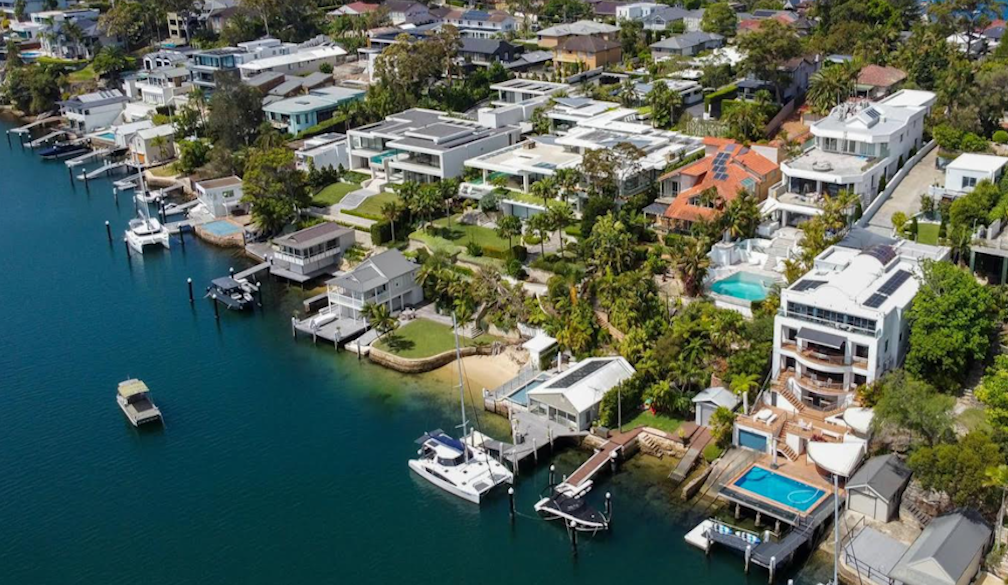
The YIMBY movement is spreading around the world. What does it mean for Australia's housing crisis?
- Written by Alistair Sisson, Macquarie University Research Fellow, School of Social Sciences, Macquarie University

2024 looks set to be another year of rising rents, stalling supply and intense debate over how to respond to the housing crisis.
Occupying an increasingly prominent place in that debate is the YIMBY movement. Short for “Yes, In My Backyard”, YIMBY is a play on the well-known pejorative NIMBY, which has long been applied to residents opposed to change in their local area.
Where did YIMBYism come from? Who are the YIMBYs? How are they reshaping the politics of housing in the 21st century?
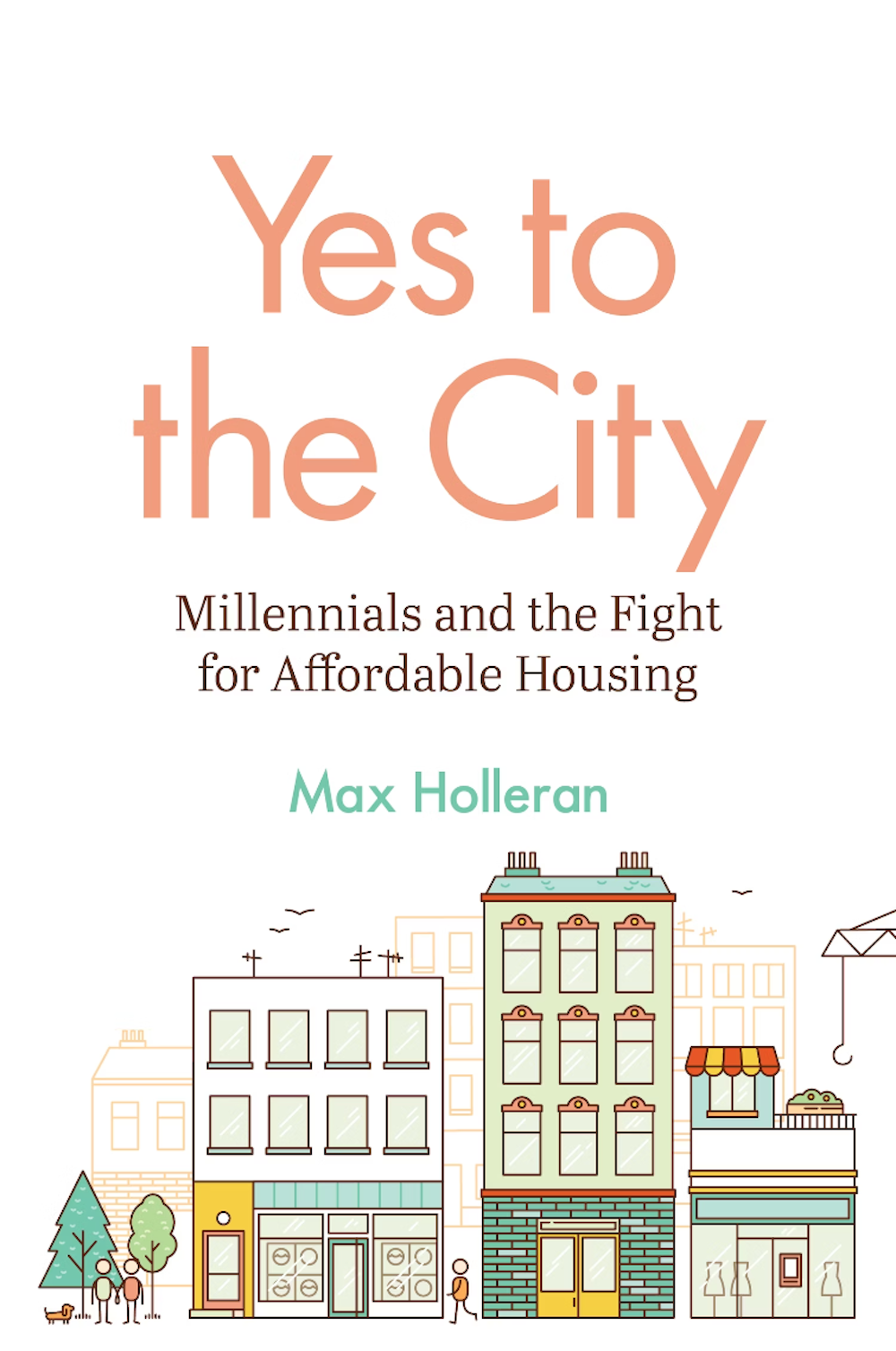
These are the questions tackled in sociologist Max Holleran’s book Yes to the City: Millennials and the Fight for Affordable Housing. It is, to date, the most authoritative study of the rise of YIMBYism and its spread throughout the United States and beyond.
Yes to the City: Millennials and the Fight for Affordable Housing – Max Holleran (Princeton University Press)
What is YIMBYism?
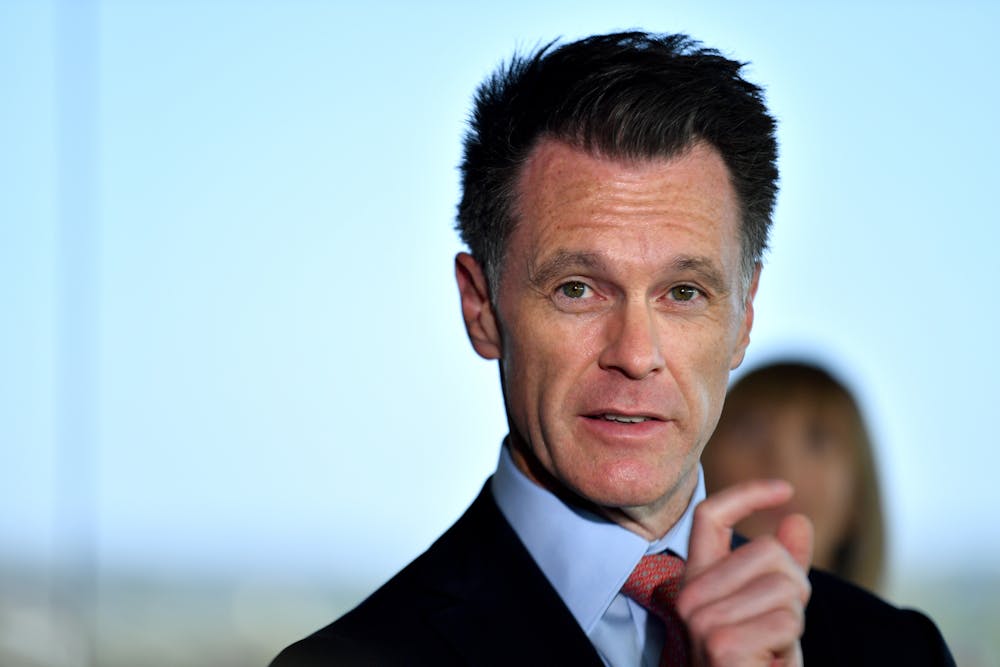 NSW Premier Chris Minns has argued that increased supply is the way to address the housing crisis.
Bianca Di Marchi/AAP
YIMBYism in Australia
Yes to the City was written before the establishment of Greater Canberra, YIMBY Melbourne, Sydney YIMBY, and the Housing Now! coalition – organisations that have experienced a rapid rise to prominence. Judging by recent reforms in New South Wales, especially, they can claim some success in influencing government policies.
Holleran’s book does, however, discuss the work of HousingAIM in western Melbourne (AIM stands for “Affordable Inclusive Maribyrnong”). Active in the 2010s, the group was originally named “Yes in Maribyrnong’s Backyard”.
Unlike its US counterparts, HousingAIM concentrated on affordable housing developments. It strove to protect the diverse working-class character of the Melbourne suburb of Footscray, with some success.
There are some practical difficulties with the YIMBY formula. Rezoning urban areas for higher density development might increase housing supply and improve affordability eventually. But it will take a long time to have even a relatively modest effect and risks displacing lower-income households into worse housing in the meantime.
Targeting higher-income areas involves fewer displacement risks, but it means focusing on areas where opposition to new development is strongest.
The popularisation of YIMBYism also carries the risk that governments will present up-zoning as a panacea and continue to ignore other solutions, such as legal protections against evictions and rent increases, ending landlord tax concessions and investment in public housing.
Politicians, including Prime Minister Anthony Albanese and NSW Premier Chris Minns, have repeatedly argued that the key to solving the housing crisis is planning reform to increase supply, by way of fending off these more contentious or costly proposals.
How YIMBY organisations approach these other solutions, and the question of gentrification more broadly, will shape their reception and determine the possibilities for collaboration and alliance building.
Australia’s housing problems show no sign of abating, and the political capital of YIMBYism looks set to grow. How that political capital is expended will have important implications for housing reform and urban life.
Authors: Alistair Sisson, Macquarie University Research Fellow, School of Social Sciences, Macquarie University
NSW Premier Chris Minns has argued that increased supply is the way to address the housing crisis.
Bianca Di Marchi/AAP
YIMBYism in Australia
Yes to the City was written before the establishment of Greater Canberra, YIMBY Melbourne, Sydney YIMBY, and the Housing Now! coalition – organisations that have experienced a rapid rise to prominence. Judging by recent reforms in New South Wales, especially, they can claim some success in influencing government policies.
Holleran’s book does, however, discuss the work of HousingAIM in western Melbourne (AIM stands for “Affordable Inclusive Maribyrnong”). Active in the 2010s, the group was originally named “Yes in Maribyrnong’s Backyard”.
Unlike its US counterparts, HousingAIM concentrated on affordable housing developments. It strove to protect the diverse working-class character of the Melbourne suburb of Footscray, with some success.
There are some practical difficulties with the YIMBY formula. Rezoning urban areas for higher density development might increase housing supply and improve affordability eventually. But it will take a long time to have even a relatively modest effect and risks displacing lower-income households into worse housing in the meantime.
Targeting higher-income areas involves fewer displacement risks, but it means focusing on areas where opposition to new development is strongest.
The popularisation of YIMBYism also carries the risk that governments will present up-zoning as a panacea and continue to ignore other solutions, such as legal protections against evictions and rent increases, ending landlord tax concessions and investment in public housing.
Politicians, including Prime Minister Anthony Albanese and NSW Premier Chris Minns, have repeatedly argued that the key to solving the housing crisis is planning reform to increase supply, by way of fending off these more contentious or costly proposals.
How YIMBY organisations approach these other solutions, and the question of gentrification more broadly, will shape their reception and determine the possibilities for collaboration and alliance building.
Australia’s housing problems show no sign of abating, and the political capital of YIMBYism looks set to grow. How that political capital is expended will have important implications for housing reform and urban life.
Authors: Alistair Sisson, Macquarie University Research Fellow, School of Social Sciences, Macquarie University