Modern Australian
The Times

Images shape cities, but who decides which ones survive? It’s a matter of visual justice

  • Written by Sabina Andron, Postdoctoral Research Fellow in Cities and Urbanism, The University of Melbourne
Images shape cities, but who decides which ones survive? It’s a matter of visual justice

In the early hours, poster installers head out with buckets of wheat paste and gig advertisements, refreshing the thousands of square metres of street poster sites in Melbourne. Graffiti writers and artists also take to the walls with their pieces. Municipal surface cleaners soon follow with chemicals and pressure washers.

Our city buildings are covered with posters, signs, art and graffiti. Their creators’ tools are images: profitable, seductive, confronting, removed.

Yet we rarely think about their collective role in articulating social values. While their creators’ values might differ, their ambition is the same: a higher stake in shaping the image and values of the city.

Our research draws together municipal agendas with a critical history of how public images are produced and regulated in cities. The aim is to develop ways to deal with images in more responsive and creative ways. How can we better manage them to support social justice, diversity and belonging in cities?

Read more: COVID-19 murals express hope and help envision urban futures

An Aboriginal flag draped the length of a building frontage
The creators of urban images, such as this Aboriginal flag running the length of a building, have a say in shaping the city’s image and values. Sabina Andron

Images are instruments of urban governance

Managing urban images is a priority for municipal governments across the world. Melbourne, the source of the images in this article, is no exception.

Urban branding, graffiti removal, mural art and graphic heritage are just some of the ways in which the city is governed through images. They contribute to how we read urban environments and can create a strong sense of place, identity and character.

Read more: Vietnam's disappearing vintage signs are pop culture remnants of a bygone era

A collection of official place name and street signs and headwear of people doing official roles
A display of name plaques and street signage from the City of Melbourne Art and Heritage Collection. Graphic objects such as these continue to shape the city’s identity. Sabina Andron

At the same time, individual actions in creating images form a collective visual discourse. Displaying political placards in street-facing windows, writing graffiti on public walls or painting over unwanted tagging are all visual contributions to the city’s image and character.

While we may not agree on which of these approaches should take precedence, images play a significant role in how we all encounter, navigate and experience urban spaces. They form an urban aesthetic that is continuously calibrated by state and private actors.

Tagging on the concrete wall of a bridge over a creek is painted over
People who paint over tagging are making their own visual contribution. Sabina Andron

Read more: Transgress to impress: why do people tag buildings – and are there any solutions?

We value some images above others

On a small sticker on a street pole, the globally recognised ACAB signifies resistance against structural violence and police brutality, enhanced by a feminist message of body positivity. Sabina Andron

The more successful instances of urban visual infrastructure are often innocuous. As the saying goes, great design is invisible. But it can also be informal, unregulated or even illegal.

A visit to the recently opened City of Melbourne Art and Heritage Collection reveals how unplanned images such as stickers, stencils or protest signs deserve attention alongside their standardised counterparts such as traffic signs, wayfinding signs, and memorial plaques. Yet our understanding of their cultural value remains partial and biased.

For example, more than 100 public murals are listed in the Victorian Heritage Register. Also listed are a handful of building signs that many Melbournians will know: the Skipping Girl, Pelaco and Nylex signs in Richmond, and the Whelan the Wrecker sign in Brunswick.

Read more: How DC Mayor Bowser used graffiti to protect public space

A mural of many human body outlines on a wall
This 1984 mural by New York artist Keith Haring is on the Victorian Heritage Register. A sign has been erected (below) to explain its significance. Sabina Andron Sabina Andron However, graffiti is nowhere to be found in the upper echelons of our value scales for urban images. Neither are street posters, stickers or other mundane images that shape and enliven our public spaces. Recent research on the governance of graffiti and street art, alongside our interviews with local authorities and graffiti removal companies, indicate the following: public image policies often value visual order above aesthetic and expressive diversity the protection of private property is prioritised over the imaginative use of public surfaces as a shared, common resource we enforce these values by privileging certain voices over others in the expression of public life and urban experience. Young people collectively painted this wall in the City of Yarra. Visibility in cities can be empowering and increase a sense of belonging. Sabina Andron Read more: Getting to the (street) art of a year like no other All public images are culturally significant Could we apply heritage principles of cultural significance to the names and messages scribbled next to our local tram stop in the same way as we do to murals or ghost signs? And could we develop more nuanced value protocols for public images in the face of increased social division? Images in public space reflect and represent divergent social values. As a result, they force us to confront our individual and societal biases. A poster pasted on a wall is covered in handwritten comments Urban walls are public forums. This poster depicts four women of different skin colours, with the Torres Strait Islander and Aboriginal flags and the message ‘Decolonise sex work’. The transgender flag is a later addition, along with the hand-written comments. Sabina Andron Cities are never unanimous, harmonious congregations, and neither are their public images. They are also bastions of resistance, radical politics and competing claims to urban rights. Protest signs, graffiti tags and political posters and stickers are social infrastructure. As urban dwellers, our right to the city includes the ability to edit our urban environments and contribute directly to urban visual culture. Healthy urban environments grow at the intersection of all these image types, in their places of tension and disagreement – what we refer to as urban visual justice. A commercial Lipton Tea sign painted on a wall above 2 official signs about restrictions, with stickers put over them, flanked by large advertising posters A faded mural advertisement (ghost sign), municipal signs covered in stickers, framed street posters and faded graffiti tags occupy shared surfaces, demonstrating visual justice through the presence of multiple voices. Sabina Andron On your next journey through the city, stop to appreciate the variety of images it shows you. Which values do they capture and promote? What is visible and what is not? And where do you fit in? A research and policy framework for urban visual justice can lead to greater belonging, representation and justice in urban experience. It improves visibility and voice for communities in public space. If we pay enough attention, images can teach us everything we need to know about cities. Authors: Sabina Andron, Postdoctoral Research Fellow in Cities and Urbanism, The University of Melbourne

Read more https://theconversation.com/images-shape-cities-but-who-decides-which-ones-survive-its-a-matter-of-visual-justice-216003

Understanding the Different Types of Car Services: Minor vs Major

When it comes to car maintenance, one of the most important things every vehicle owner should understand is the difference between a minor and a maj...

How Superannuation and TPD Insurance Work Together

Superannuation is an essential part of financial planning in Australia. It is designed to provide individuals with income during retirement, helping...

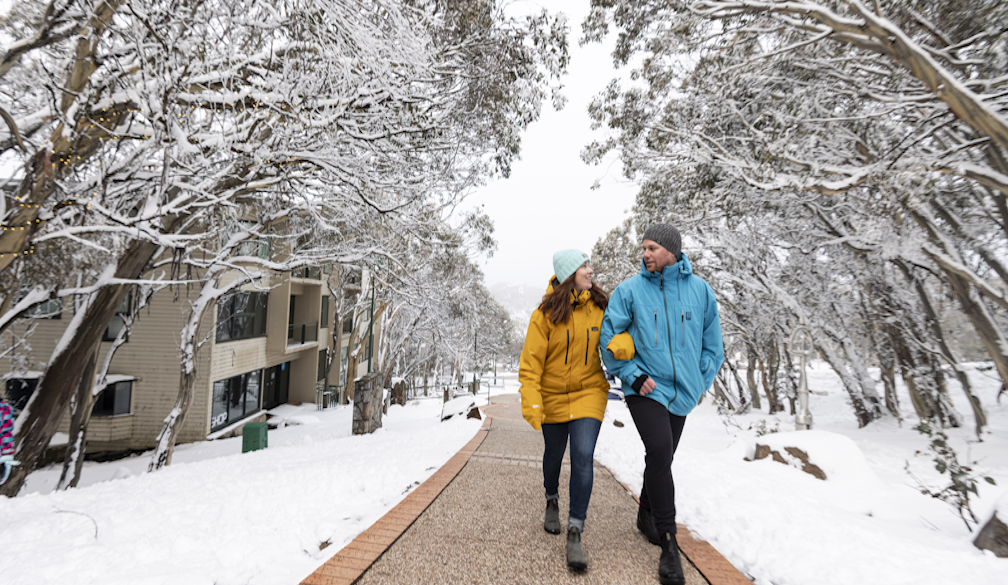
Tiny Towns funding granted for Mt Hotham and Mt Buller upgrades

Alpine Resorts Victoria (ARV) has welcomed funding support from the Victorian Government’s  Tiny Towns Fund, with both Mt Hotham and Mt Buller se...

Locksmith Services: Why Professional Security Solutions Matter More Than Ever

Security is a critical concern for homeowners, businesses, and vehicle owners alike. Whether it involves protecting a property, replacing damaged lo...

Why Tooth Fillings Are Important For Protecting Damaged Teeth

Cavities and minor tooth damage are common dental problems that can worsen if left untreated. Professional tooth fillings help restore damaged teeth, ...

The Connection Between Visibility and Driver Confidence

Operating a vehicle safely requires an immediate, uncompromised stream of visual information from the surrounding road environment. A driver's decis...

Important Things To Know Before Starting An SMSF Setup

Planning for retirement requires careful financial decisions, and many Australians are now looking for more direct control over how their superannua...

Why Retail Cleaning Plays a Key Role in Customer Experience and Business Success

Professional retail cleaning services are an essential part of maintaining a welcoming, safe, and professional environment for customers and staff...

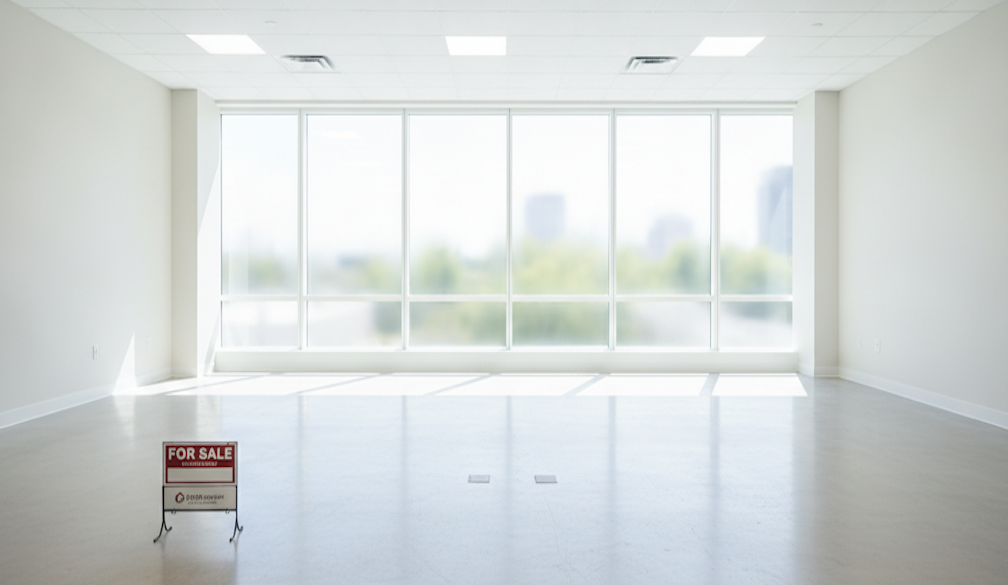
Simple Ways to Make a Commercial Property More Appealing to Buyers

Selling or leasing a commercial property isn’t just about listing the square metres, taking a few photos and waiting for the right person to appea...

What Café Owners Should Know Before Upgrading Their Display Setup

A café display fridge does a lot more than keep cakes cold and sandwiches fresh. It quietly shapes the way customers browse, the way staff move beh...

Creating a Backyard That Feels Comfortable All Year Round

A great backyard doesn’t need to be huge, expensive or perfectly styled. Most of the time, the spaces people actually use are the ones that feel e...

How Homeowners Can Make Smarter Energy Decisions Before Upgrading

Energy upgrades used to feel like something you only looked into after a power bill gave you a nasty surprise. These days, though, more homeowners a...

Why Retail CX Breaks During Peak Sales Events and How to Prevent It

Retail customer experience has become one of the most important drivers of revenue growth, especially during high-intensity sales periods. However, ev...

15 South Indian Dishes Everyone Should Try

If your only experience of "Indian food" is butter chicken and garlic naan, South Indian cuisine is going to feel like discovering an entirely new c...

What Every Homeowner Should Know About Roof and Drainage Maintenance

A home's roof and drainage system work together every day to protect the property from water damage. While many homeowners focus on visible areas such...

From Plans to Priced Quote: The Estimating Workflow Most Builders Skip

For a small one-off job, an experienced builder can size up the materials in their head. The problem is that most jobs are not small one-off jobs, and...

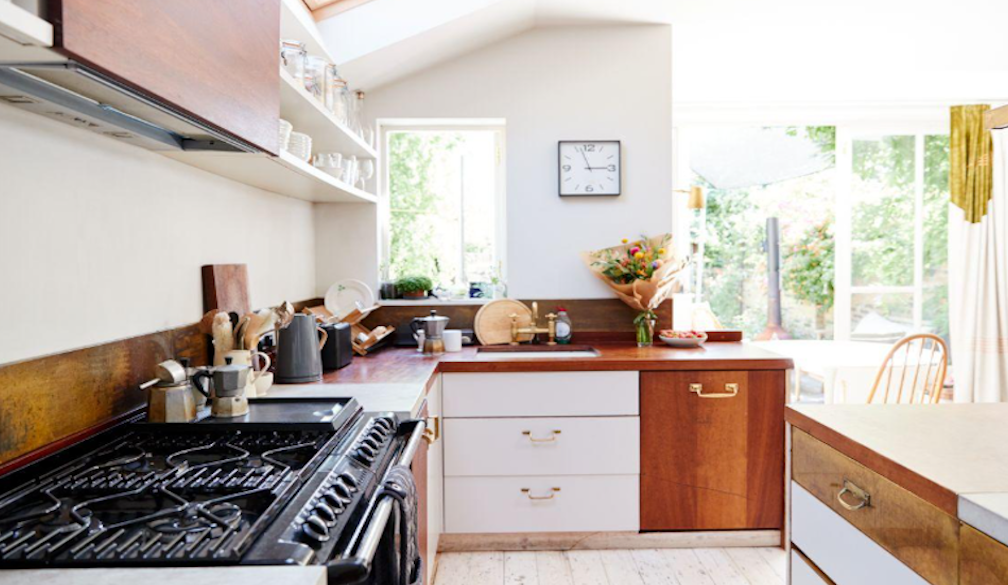
Organisational Experts Share Their Tips for Achieving a Clutter-Free Kitchen

They say the kitchen is the heart of a house which means a clutter-free kitchen not only makes your home in general look nicer, it also makes cookin...

10 Creative Ways AI Image Extenders Are Transforming Digital Content Creation in 2026

Introduction Artificial intelligence continues to reshape the digital landscape, and one of the most exciting innovations in 2026 is the rise of AI i...