

If you’re worried about inflammation, stop stressing about seed oils and focus on the basics
- Written by: Lauren Ball, Professor of Community Health and Wellbeing, The University of Queensland

You’ve probably seen recent claims online seed oils are “toxic” and cause inflammation, cancer, diabetes and heart disease. But what does the research say?
Overall, if you’re worried about inflammation, cancer, diabetes and heart disease there are probably more important things to worry about than seed oils.
They may or may not play a role in inflammation (the research picture is mixed). What we do know, however, is that a high-quality diet rich in unprocessed whole foods (fruits, vegetables, nuts, seeds, grains and lean meats) is the number one thing you can to do reduce inflammation and your risk of developing diseases.
Rather than focusing on seed oils specifically, reduce your intake of processed foods more broadly and focus on eating fresh foods. So don’t stress out too much about using a bit of seed oils in your cooking if you are generally focused on all the right things.
Read more: 9 signs you have inflammation in your body. Could an anti-inflammatory diet help?
What are seed oils?
Seed oils are made from whole seeds, such as sunflower seeds, flax seeds, chia seeds and sesame seeds. These seeds are processed to extract oil.
The most common seed oils found at grocery stores include sesame oil, canola oil, sunflower oil, flaxseed oil, corn oil, grapeseed oil and soybean oil.
Seed oils are generally affordable, easy to find and suitable for many dishes and cuisines as they often have a high smoke point.
However, most people consume seed oils in larger amounts through processed foods such as biscuits, cakes, chips, muesli bars, muffins, dipping sauces, deep-fried foods, salad dressings and margarines.
These processed foods are “discretionary”, meaning they’re OK to have occasionally. But they are not considered necessary for a healthy diet, nor recommended in our national dietary guidelines, the Australian Guide for Healthy Eating.

I’ve heard people say seed oils ‘promote inflammation’. Is that true?
There are two essential types of omega fatty acids: omega-3 and omega-6. These are crucial for bodily functions, and we must get them through our diet since our bodies cannot produce them.
While all oils contain varying levels of fatty acids, some argue an excessive intake of a specific omega-6 fatty acid in seed oils called “linoleic acid” may contribute to inflammation in the body.
There is some evidence linoleic acid can be converted to arachidonic acid in the body and this may play a role in inflammation. However, other research doesn’t support the idea reducing dietary linoleic acid affects the amount of arachidonic acid in your body. The research picture is not clear cut.
But if you’re keen to reduce inflammation, the best thing you can do is aim for a healthy diet that is:
high in antioxidants (found in fruits and vegetables)
high in “healthy”, unsaturated fatty acids (found in fatty fish, some nuts and olive oil, for example)
high in fibre (found in carrots, cauliflower, broccoli and leafy greens) and prebiotics (found in onions, leeks, asparagus, garlic and legumes)
low in processed foods.
If reducing inflammation is your goal, it’s probably more meaningful to focus on these basics than on occasional use of seed oils.
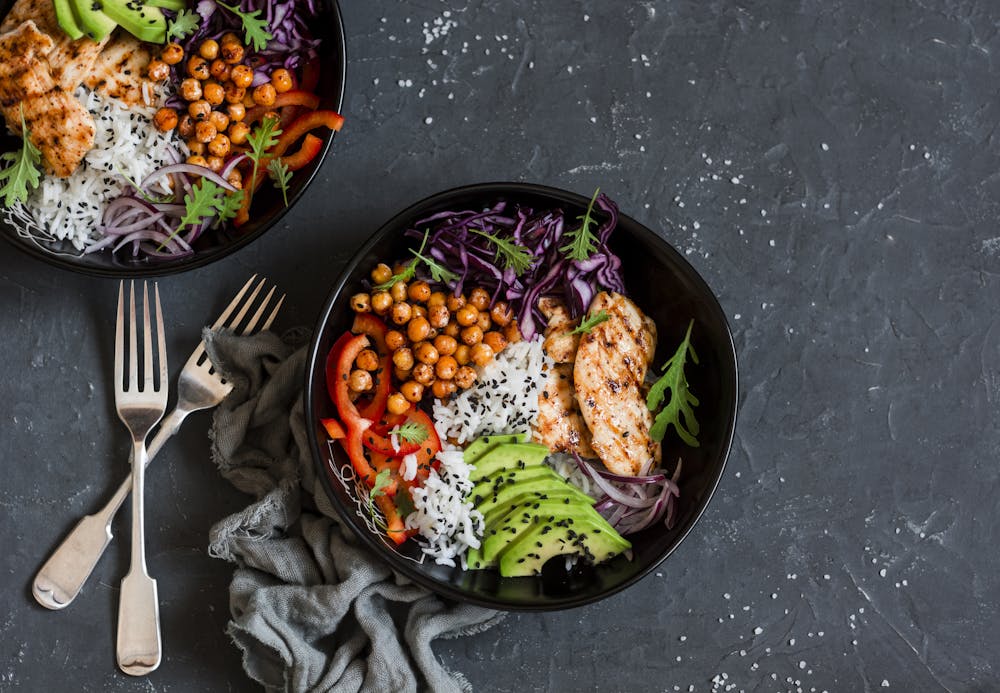 Choose foods high in fibre (like many vegetables) and prebiotics (like legumes).
Kiian Oksana/Shutterstock
Choose foods high in fibre (like many vegetables) and prebiotics (like legumes).
Kiian Oksana/Shutterstock
What about seed oils and heart disease, cancer or diabetes risk?
Some popular arguments against seed oils come from data from single studies on this topic. Often these are observational studies where researchers do not make changes to people’s diet or lifestyle.
To get a clearer picture, we should look at meta-analyses, where scientists combine all the data available on a topic. This helps us get a better overall view of what’s going on.
A 2022 meta-analysis of randomised controlled trials investigated the relationship between supplementation with omega-6 fatty acid (often found in seed oils) and cardiovascular disease risk (meaning disease relating to the heart and blood vessels).
The researchers found omega-6 intake did not affect the risk for cardiovascular disease or death but that further research is needed for firm conclusions. Similar findings were observed in a 2019 review on this topic.
The World Health Organization published a review and meta-analysis in 2022 of observational studies (considered lower quality evidence compared to randomised controlled trials) on this topic.
They looked at omega-6 intake and risk of death, cardiovascular disease, breast cancer, mental health conditions and type 2 diabetes. The findings show both advantages and disadvantages of consuming omega-6.
The findings reported that, overall, higher intakes of omega-6 were associated with a 9% reduced risk of dying (data from nine studies) but a 31% increased risk of postmenopausal breast cancer (data from six studies).
One of the key findings from this review was about the ratio of omega-3 fatty acids to omega-6 fatty acids. A higher omega 6:3 ratio was associated with a greater risk of cognitive decline and ulcerative colitis (an inflammatory bowel condition).
A higher omega 3:6 ratio was linked to a 26% reduced risk of depression. These mixed outcomes may be a cause of confusion among health-conscious consumers about the health impact of seed oils.
Overall, the evidence suggests that a high intake of omega-6 fatty acids from seed oils is unlikely to increase your risk of death and disease.
However, more high-quality intervention research is needed.
The importance of increasing your omega-3 fatty acids
On top of the mixed outcomes, there is clear evidence increasing the intake of omega-3 fatty acids (often found in foods such as fatty fish and walnuts) is beneficial for health.
While some seed oils contain small amounts of omega-3s, they are not typically considered rich sources.
Flaxseed oil is an exception and is one of the few seed oils that is notably high in alpha-linolenic acid (sometimes shortened to ALA), an omega-3 fatty acid.
If you are looking to increase your omega-3 intake, it’s better to focus on other sources such as fatty fish (salmon, mackerel, sardines), chia seeds, hemp seeds, walnuts, and algae-based supplements. These foods are known for their higher omega-3 content compared to seed oils.
The bottom line
At the end of the day, it’s probably OK to include small quantities of seed oils in your diet, as long as you are mostly focused on eating fresh, unprocessed foods.
The best way to reduce your risk of inflammation, heart disease, cancer or diabetes is not to focus so much on seed oils but rather on doing your best to follow the Australian Guide for Healthy Eating.
Read more: How is decaf coffee made? And is it really caffeine-free?
Authors: Lauren Ball, Professor of Community Health and Wellbeing, The University of Queensland


















