Urbanisation and tax have driven the housing crisis. It’s hard to see a way back but COVID provides an important lesson
- Written by: Yogi Vidyattama, Associate Professor, Faculty of Business, Government and Law, University of Canberra
This article is the first in The Conversation’s series examining the housing crisis. Read the other articles in the series here.
The paradox of Australian housing is the abundance of land – 7.5 million square kilometres of it – and the shortage of accommodation.
The pandemic lockdowns and the changes that flowed from them have disrupted the paradox and will take some time to settle down.
By 1911, most of today’s towns were already established. Regional Australia was then home to 60% of the population.
Since then small towns have died, and regional centres have grown, much of the population has moved to the coast and cities for work, and new towns have grown to support mining in the north and west and farming in irrigation areas.
Only 7% of the population lives outside capital cities.
While the first census in 1911 recorded 24% of the workforce was employed in agriculture, forestry or fishing, the most recent survey recorded less than 3%.
Cities made housing expensive
Packing Australia’s population into capital cities helped push up land prices because the supply of well-located land in cities was limited.
The resultant housing stress is worse than the official figures suggest.
The Bureau of Statistics defines housing stress as occurring when a lower-income household spends more than 30% of its gross household income on housing costs.
But as homebuyers have moved further away from city centres to avoid high housing costs, they’ve been hit with higher commuting costs, boosting the number who are in financial stress because of housing.
A study I conducted with University of Canberra colleagues in the mid-2000s found that when commuting costs were included in housing costs the proportion of home owning couples with children in housing stress jumped from 15% to 19%.
Housing became an ‘investment’
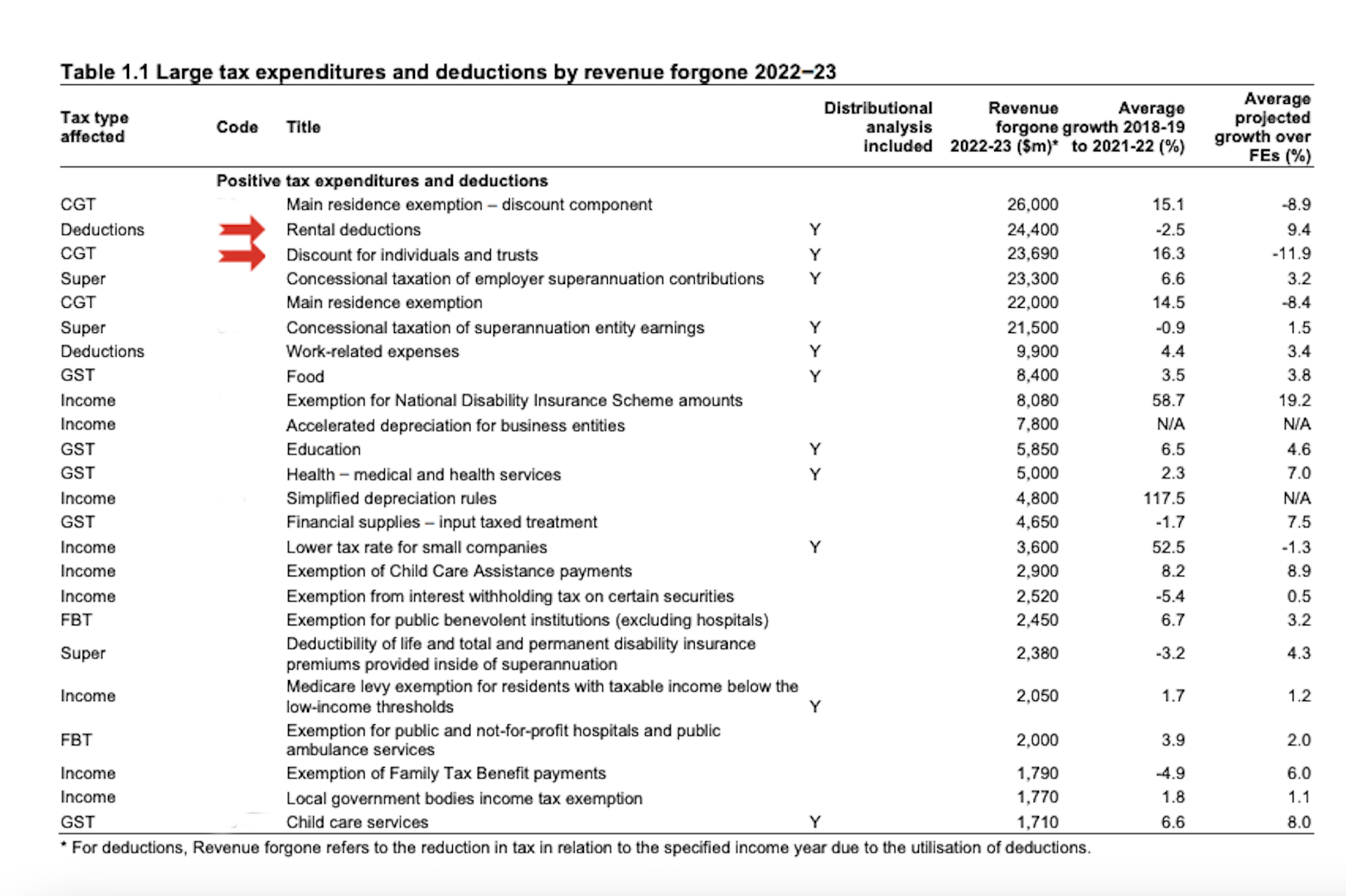
Rising prices have made buying an extra home a “safe investment” for existing homeowners – all the more so when accompanied by generous tax concessions..
The more homeowners bought second (and even third) properties, the more price pressure they added to prices which made lightly-taxed capital gains on investment properties seem an even safer bet.
The latest tax figures show 2.2 million Australians owning investment properties, up from 1.2 million two decades earlier. This means that at a time when Australia’s population grew 32%, the number of Australians owning investment properties grew 83%.
The more homeowners make investment decisions on the assumption that prices will keep rising, the more resistant they become to measures that wind those price rises back.
Among those measures are relaxed planning rules that would increase the supply of competing properties, and changes to tax rules that would make investing less attractive.
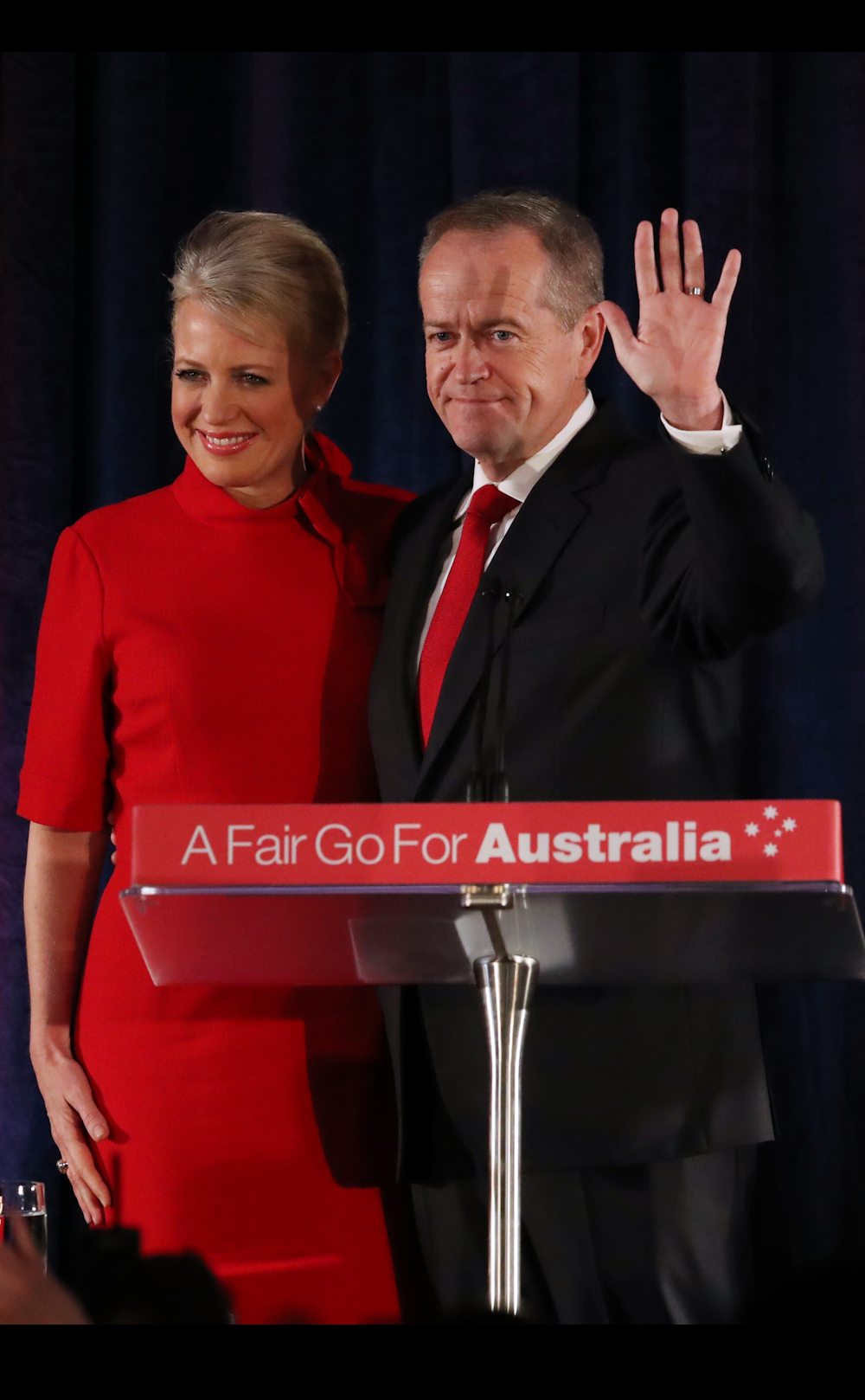
Labor campaigned in 2016 and again in 2019 on restricting negative gearing to new housing (with a grandfather clause that would allow it to continue on properties that were already negatively geared) and halving the capital gains tax concession.
It lost both elections.
Modelling published in Australian Economic Papers finds that if Labor’s 2019 program had been adopted, the share of households who own their home rather than rent would have climbed 4.7 percentage points.
For most households that would have been able to buy but now have to rent, renting is an inferior substitute.
But for landlords the displaced would-be owners are useful. They become tenants, helping the investment make sense.
Read more: How Albanese could tweak negative gearing to build more new homes
Then came COVID
The pandemic lockdowns prompted a rethink of how and where Australians lived.
Home offices became more attractive and group houses became less attractive pushing down the average number of residents per home and pushing up the demand for homes even before borders reopened.
But many Australians discovered they didn’t need to live as close to their work and moved further away to more distant suburbs, and away from cities altogether to regional locations where housing was more affordable.
While this improved their quality of life by cutting housing and commuting costs, it overwhelmed the supply of houses in those regions and pushed up prices.
In time more homes will be built in those regions to accommodate more of them, unless there’s a return to the office.
Read more: COVID has disrupted our big, and regional planning has to catch up fast
The changes wrought by COVID will provide challenges and lessons for planning, especially planning for housing and infrastructure away from Australia’s cities.
Their enduring legacy is likely to be a demand for more housing per Australian, which will take some time to meet.
But even then, the dynamics of cities and tax concessions for householders who own more than one home are likely to conspire to keep pushing prices higher.
Correction: an earlier version of this article said the first census was in 2011, rather than 1911. This has been amended.
Authors: Yogi Vidyattama, Associate Professor, Faculty of Business, Government and Law, University of Canberra