Why the not-for-profit cultural sector needs tailor-made copyright safe harbours
- Written by: Graeme Austin, Professor of Law, Victoria University of Wellington
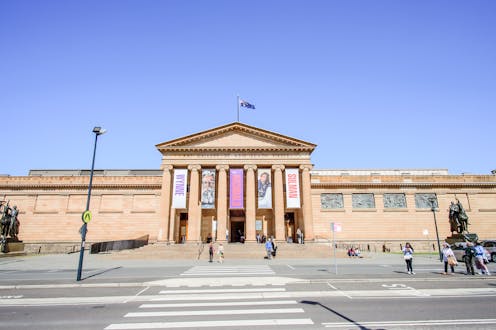
A bill before the Australian Parliament will extend immunities from copyright infringement currently enjoyed by internet service providers (ISPs) to cultural institutions, educational institutions, and organisations assisting people with disabilities.
These immunities are known as “safe harbours”. They can be a useful policy tool. They help ensure that exposure to copyright liability doesn’t inhibit socially or economically useful activity such as developing internet infrastructure.
We argue that copyright issues for not-for-profit organisations differ from those affecting ISPs and their subscribers. Rather than expanding existing safe harbours, policy makers should tailor the concept to the needs of the cultural sector.
Read more: Instagram is changing the way we experience art, and that's a good thing
How the existing safe harbours work
Safe harbours have been justified as a quid pro quo to encourage investment in Internet infrastructure. ISPs were concerned that they could themselves be liable for their customers’ copyright infringements. Investment in internet technologies might have been inhibited by the risk of potentially enormous damages claims.
Currently, Australian safe harbours apply only to telecommunications providers such as Telstra and Optus. They shelter ISPs against monetary awards for copyright infringement for actions such as transmission and caching, and storage of infringing material uploaded by subscribers. The immunities don’t apply when the ISP is itself responsible for storing infringing material.
Immunity can also be lost when an ISP fails to meet key conditions, such as removing infringing material once the ISP knows about it.
Fresh thinking on safe habours
At first blush the bill makes sense. The institutions mentioned in the Copyright Amendment (Services Providers) Bill 2017 (Cth) do important work. A not-for-profit running a website that allows the uploading of material suitable for people suffering from visual disabilities, for instance, deserves immunity from copyright damages claims if some of that material turns out to be infringing.
However, the Australian bill should also prompt us to revisit the safe harbour concept itself. A safe harbour reflects a policy that certain activities are sufficiently important that they should not be inhibited by the risk of copyright proceedings. Rather than extending existing safe harbours to other institutions, we should look at how such institutions are currently inhibited by exposure to copyright claims, and how the law might be adapted.
There are many ways we can craft copyright immunities for the not-for-profit GLAM sector: public galleries, libraries, archives and museums. GLAM institutions currently enjoy some exemptions from copyright infringement, and there have been calls for a broader fair use or fair dealing defence.
Specific shelter for GLAM sector
Another possibility would be a safe harbour that is tailor-made for the GLAM sector.
The reforms in the Australian bill would apply only where the infringing activity is undertaken by patrons. But unlike ISPs, GLAM institutions need the greatest protection for the things they do themselves. We value museums, for example, for the expert work of their own curators and collection managers, not because they sometimes allow other people to upload material to their websites.
GLAM organisations use digital technologies in innovative ways. They put their collections online, link to the online collections of other institutions, and create vast repositories of metadata about collection items. Some exhibitions are digitally curated, with links to related objects and information, often located on remote sites. While some GLAM organisations allow third parties to post material to their websites, that’s not their core work.
Anyone working in the GLAM sector will tell you how copyright concerns limit their work. Institutions also fear the reputational damage of allegations that they disregard copyright. But so long as GLAM organisations act responsibly, these valuable contributions to cultural life should not be unduly inhibited by risks of copyright liability.
Striking a balance
Most GLAM sector organisations are responsible about copyright. If GLAM institutions use some material without copyright permissions, this is typically of limited commercial significance – quite unlike the commercially valuable material that is transmitted by ISP subscribers every second.
A fit-for-purpose GLAM safe harbour could encourage responsible behaviour while ensuring that the GLAM sector’s work is less impeded by risks of copyright claims. Unlike the ISP scheme, a GLAM safe harbour would not be limited to patrons’ activities. It might be conditioned on good faith efforts to raise copyright awareness among staff, including regular training. In the digital context, it might have a take down requirement.
In summary, the copyright issues for publicly funded not-for-profits doing valuable social work are not the same as those affecting ISPs and their subscribers. Lumping them together in the same safe harbour avoids more nuanced thinking about their relative social value and the different risks each poses for those who rely on copyright protections for their livelihood.
Authors: Graeme Austin, Professor of Law, Victoria University of Wellington