

Sydneysiders witnessed horrific scenes on Saturday. How do you process and recover from such an event?
- Written by: Kim Felmingham, Chair of Clinical Psychology, The University of Melbourne
Like many, I watched the reports of the violent attack at Bondi Junction yesterday with shock, horror and disbelief. My heart goes out to the people involved, the courageous first responders and to those who have lost loved ones in this tragic event.
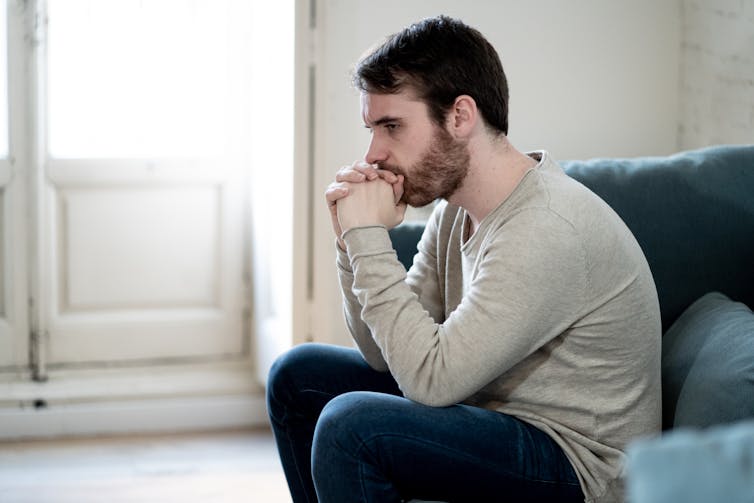
I also feel for those who witnessed the horror and will be working out how to get through the initial shock and, over time, put it behind them.
Distress and strong emotional reactions are common after these types of mass violent events.
But different people will have different emotional reactions – and some may experience a range of shifting emotions.
The first few days and weeks
In the days and weeks after traumatic events like these, people often experience a range of emotions: from fear and anxiety, anger, sadness and grief, disbelief and numbness, guilt and worry about safety. They may be jittery, more irritable or on edge, or it may affect their sleep.
For many, their sense of risk may be heightened, particularly as such random violence occurred during such an ordinary event – shopping on a Saturday afternoon. This can lead to a heightened awareness of danger and concern for safety.
Read more: As Australia reels from the Bondi attack, such mass murder incidents remain rare
What’s likely to happen over time?
For most people, as they begin to process and make sense of what happened, these feelings will gradually reduce in intensity and people will begin to recover. Research shows the majority of people recover from mass violent events within the initial few months.
However, for people with more direct exposure to the trauma, these events and reactions may be more difficult to process. Some people may go on to develop mental health difficulties, most commonly anxiety, depression and post-traumatic stress disorder (PTSD).
Understandably, those more at risk are people who were present during the trauma and experienced a direct threat, as well as those who witnessed the violence or aftermath, first responders (paramedics and police) and those who had loved ones injured or lost during the event.
People who had more intense emotional responses during the trauma, or previous psychological difficulties or traumatic experiences, may also be at greater risk.
What helps – and hinders – your recovery?
To help process these traumatic events and promote recovery, social support is particularly important.
Spending time with trusted family and friends can help people process the events and their emotional reactions. Talking about your feelings with supportive people can help you understand and accept them. But even if you don’t want to talk about your feelings, spending time with loved ones is helpful.
It is also fine to need some time to be alone, but try not to isolate yourself or withdraw.
If you can’t talk about your feelings, try not to bottle them up or deal with them by using alcohol or drugs. Find another way to express them – whether through writing, art or music, or exercise.
Give yourself permission and time to feel these emotions. Remind yourself you have just been through something extremely traumatic, take things day by day, and don’t expect too much of yourself. Try not to judge yourself for your actions or how you are coping.
Keep some structure in your day, setting small goals, and increase your self-care: eat well, rest (even if you can’t sleep well), try yoga or relaxation. When you’re ready, try to get back to your normal routine.
Seek out information from trusted sources, but try to avoid being saturated by images or stories about the trauma, particularly graphic footage or speculation common on social media.
What if children have witnessed it, too?
If your children have been impacted, reassure them that they are safe and loved. When they are ready, talk to them gently about the trauma, acknowledge it and answer their questions.
Encourage them to express their feelings and spend more time together doing family activities.
Importantly, try to limit their exposure to graphic footage and images of the events in the media, and on social media.
Read more: Why do some people who experience childhood trauma seem unaffected by it?
When to seek mental health care
Reach out for professional mental health support if you experience ongoing difficulty with your emotional reactions, or if you’re having distressing memories of the trauma, difficulty sleeping or nightmares, or you want to avoid things that remind you of the traumatic event.
Not everyone requires professional mental health support, but if you are experiencing these types of post-traumatic stress reactions a few weeks after the trauma, it’s important to speak to your GP to seek out professional support from psychologists or counselling services.
If this article has raised issues for you, or if you’re concerned about someone you know, call Lifeline on 13 11 14.
Authors: Kim Felmingham, Chair of Clinical Psychology, The University of Melbourne


















