

5 reasons why the Fast-track Approvals Bill threatens NZ’s already fragile ecosystems
- Written by: Margaret Stanley, Professor of Ecology, University of Auckland, Waipapa Taumata Rau
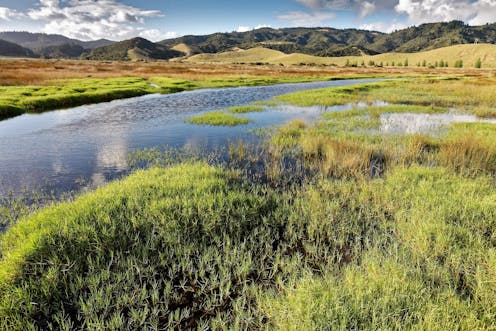
Conservation “good news” stories – the release of native birds into new habitats, for example – are always welcome. They recognise the work of conservation staff and volunteers who do the hard slog of checking trap lines and removing weeds.
The reality is, however, that Aotearoa New Zealand’s environment is in deep trouble. Talk of a “crisis” can be unhelpful if it encourages a sense of hopelessness. But with the government’s Fast-track Approvals Bill approaching rapidly, now is arguably the time to use the word.
The bill encourages development, but gives government ministers the power to circumvent key environmental planning and protection processes for (as yet unnamed) infrastructure projects.
By emphasising short-term economic gain, it risks eroding the country’s already fragile natural capital and pushing biodiversity further into decline.
With public submissions on the bill closing at the end of this week, there are numerous reasons to call for caution and a pause. These can be divided into five broad categories.
1. Much has been lost already
Ecosystems cannot be restored. Once destroyed, they are gone forever. This is known in restoration ecology as the “Humpty Dumpty effect”. Here are just some of the facts:
only 22% of Aotearoa’s original vegetation remains
at least 79 species extinctions have been recorded
remaining species currently threatened or at risk include 94% of reptiles, 90% of seabirds, 74% of land birds, 76% of freshwater fish and 46% of plants
90% of our wetlands have been lost, as well as 80% of our active sand dune ecosystems
63% of rare ecosystems are threatened
46% of lakes over one hectare are in poor or very poor ecological health.
The science of restoration ecology is relatively young. We can plant trees and shrubs, and reintroduce some animals previously present in a restoration area. But we do not currently have the knowledge to restore lichens, mosses, fungi and invertebrate communities.
These all play a major role in the functioning of ecosystems, including decomposition and nutrient cycling.
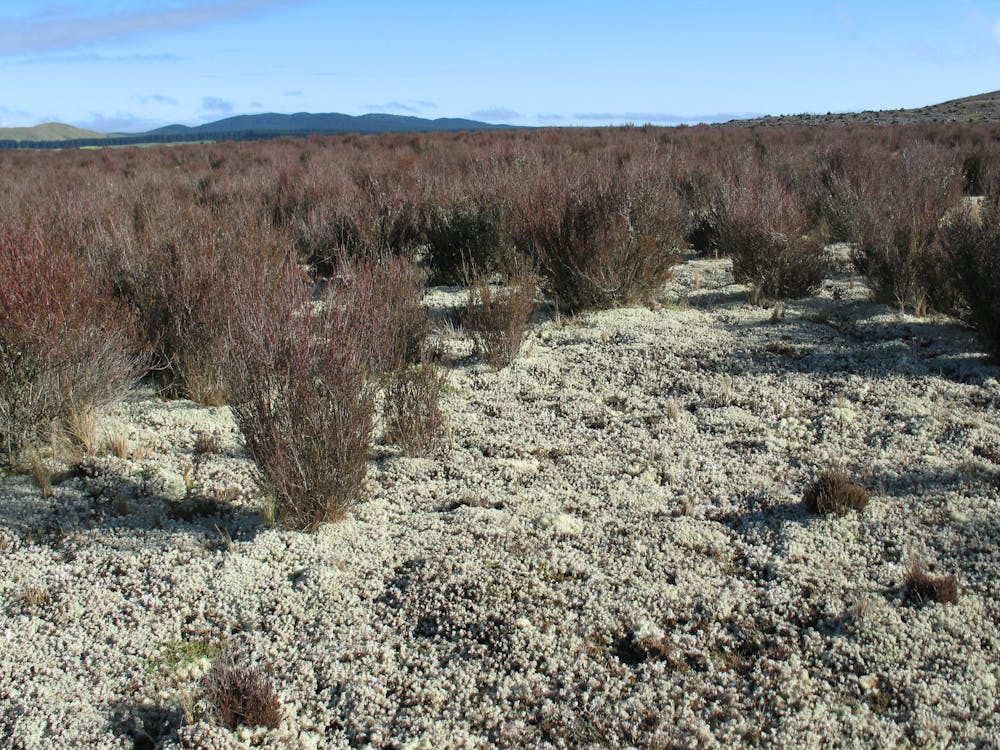
2. Habitats are fast disappearing
New Zealanders often imagine native vegetation is well protected and the wholesale land clearance practised by earlier generations has stopped.
But many terrestrial ecosystems are still being cleared today for development. Between 2012 and 2018, almost 13,000 hectares (the equivalent of 13,000 rugby fields) of native vegetation was lost due to development.
We know at least 5,000 hectares of wetlands have been lost since 2001. Nearly 12,000 hectares of Canterbury’s river margins were lost to intensive farming between 1990 and 2012. Ecosystems that remain are degraded and river health is worsening.
The Department of Conservation is underfunded and has not been able to assess and reclassify more than 2.7 million hectares of stewardship land. Much of this contains rare ecosystems. But it has the lowest protection and may be a prime target for development under the proposed fast-track legislation.
3. Unique NZ has international obligations
Around 80% of most native species – 81% of insects, 100% of reptiles, frogs and bats, 84% of plants, 72% of birds, and 88% of freshwater fish – are found nowhere else in the world. New Zealand has been designated one of 25 global biodiversity “hot spots” for conservation priority.
However, more than 33% of New Zealand species are classified “data deficient”, meaning we don’t know enough to determine whether they are threatened with extinction.
Read more: NZ's government is relying on executive power to govern – that's not how MMP was meant to work
We’re also discovering new species every day. Only an estimated 50% of insect species have been scientifically described, including just 30% of Hymenoptera (wasps, ants and bees – including pollinators and natural biocontrol agents).
Aotearoa New Zealand is a signatory to the Convention on Biological Diversity (signed in 1993) and the Kunming-Montreal Global Biodiversity Framework (signed in 2022). By removing existing environmental protections, the Fast-Track Approvals Bill threatens to undermine these international obligations.
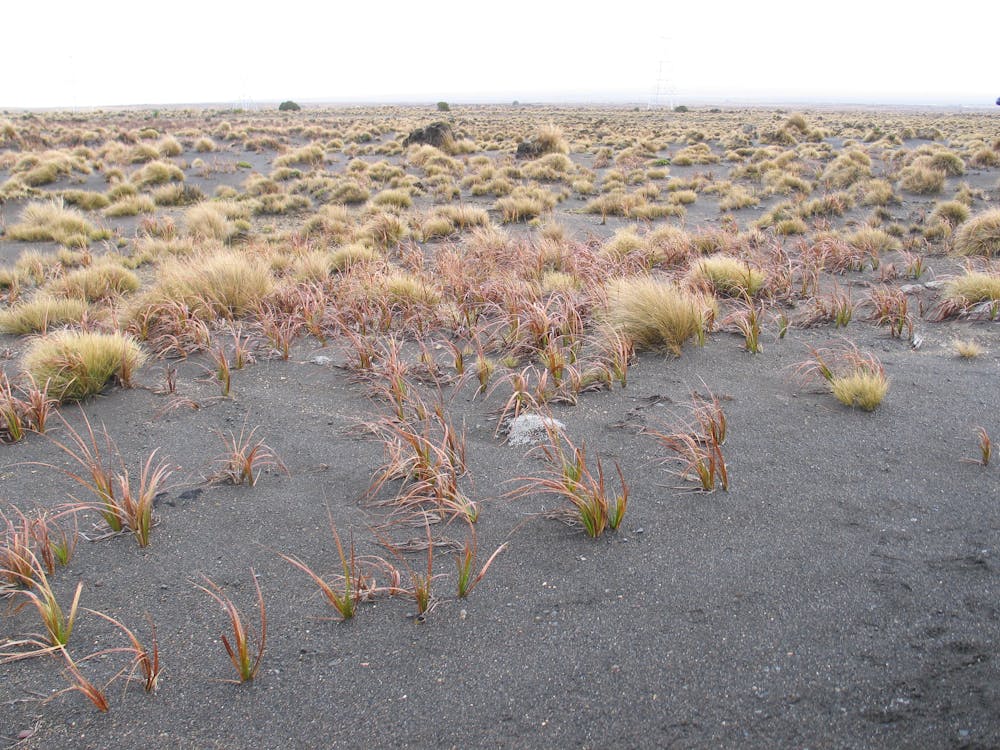 Volcanic dunes, Rangipo Desert, Tongariro: less than 20% of this endangered ecosystem has any legal protection.
Margaret Stanley, Author provided (no reuse)
Volcanic dunes, Rangipo Desert, Tongariro: less than 20% of this endangered ecosystem has any legal protection.
Margaret Stanley, Author provided (no reuse)
4. Environment underpins economy, health and culture
Biodiversity and healthy ecosystems provide critical services that prop up human populations. They regulate the climate, prevent erosion, cycle nutrients, filter air particles and water, and mitigate floods.
They also provide recreational opportunities, spiritual and cultural connections, and physical and mental health benefits for people.
Ecosystem processes, such as pollination and soil formation, underpin primary production and provide pest and disease resilience. They contributed an estimated NZ$57 billion (27% of the country’s GDP) to human welfare in 2012.
Failing to recognise the value of New Zealand’s natural capital – which has previously often been regarded as value-less economically – risks leaving future generations with even less to support their economy, health and wellbeing.
5. Pushing ecosystems to tipping points
Degraded ecosystems can reach a tipping point, when they collapse and stop functioning – for example, the “eutrophication” of freshwater systems, which become nutrient-rich and depleted of oxygen.
There is now extreme pressure on the biodiversity that supports healthy ecosystems. The economic loss from soil erosion alone (192 million tonnes lost annually) is estimated at NZ$250-$300 million each year. It takes a thousand years to generate three centimetres of topsoil – and it is running out rapidly.
Degraded ecosystems are less resilient to disturbance and are vulnerable to invasive species. Roads and tracks created during development can prevent the movement of native animals, while creating “highways” for weeds, pests and diseases.
These affect native ecosystems as well as farms and orchards, adding to the country’s already very high pest management bill.
Taken together, the potential long-term costs on ecosystems and the vital services they provide need to be carefully considered before the proposed legislation comes into force.
Authors: Margaret Stanley, Professor of Ecology, University of Auckland, Waipapa Taumata Rau


















