

Only 10% of native plants can be bought as seed – a big problem for nature repair. Here’s how we can make plantings more diverse
- Written by: Samantha Ellen Andres, Postdoctoral Research Fellow, Hawkesbury Institute for the Environment, Western Sydney University
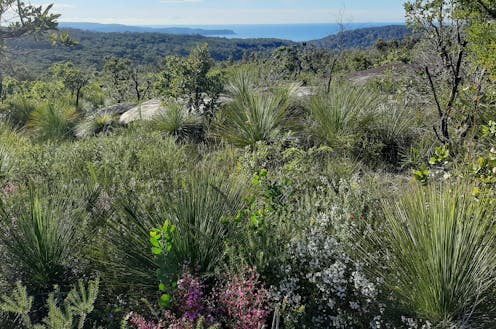
More than 52 million hectares of land across Australia is degraded. Degraded land lacks biodiversity and the natural balance of healthy ecosystems, making it unfit for wildlife or cultivation. This means we are losing the benefits that healthy ecosystems provide for nature and people.
To counter this threat, Australia signed the Global Biodiversity Framework in 2022, pledging to ensure 30% of degraded ecosystems are “under effective restoration” by 2030. That’s roughly 15.6 million hectares of land across the nation.
To kick-start ecosystem recovery, governments, environmental managers and landholders often plant a diverse mix of native species on degraded land. The crucial word here is diverse. Planting a wide variety of species makes ecosystems more resilent, laying the foundation of a healthy environment for wildlife.
But effective biodiverse plantings require large quantities of diverse native seed. Amounts range from 600 to 20,000 seeds per square metre.
The problem is we don’t have enough seeds from Australia’s endemic plants – species found only in this country (often with very limited distributions). Our new research shows both the quantity and diversity of native seed available for restoration are limited across the country. Only 10% of our native species are readily available for sale as seed.
Multiply this supply-and-demand issue on the scale needed to meet Australia’s ambitious goals for nature repair, and the seed shortages, are clearly critical.
Our research identifies gaps in the seed supply chain. We have developed a new method to optimise the biodiversity of plantings from these limited supplies. We also recommend ways to strengthen the seed supply chain.
How well does supply match the need for diversity?
Our research explores two urgent questions:
Does the present supply of seed for restoration in Australia reflect the diversity of ecosystems where nature repair is intended?
Using seed that is readily available, can we achieve the diverse plantings that underpin resilient ecosystems?
We started by making an inventory of seeds from 32 commercial suppliers across Australia. We worked out what percentage of species can be bought immediately as seed across six major vegetation types, such as our eucalypt woodlands and rainforests.
We then compared the diversity of species available as seed to the total species diversity of each vegetation type.
Using this information, we developed a framework to maximise the different types of plant species (their “functional diversity”) used in seed mixes, taking into account supply constraints. The aim is to achieve a diverse mix of species with different plant traits – such as height, seed or leaf variety – from the available seed supply.
Seed supply is missing many ‘little guys’
Overall, only about 10% of Australia’s plant species, or 2,992 species, can be bought as seed. Of course, volunteers or contractors can directly collect seeds for more species out in the bush for restoration projects – if they have permits to do so. Even so, the 10% we found for immediate purchase indicates serious shortfalls in the diversity of our national supply.
When seed was available, it was more often for trees and shrubs. The seeds of ecologically important understorey species were often not available.
These missing “little guys” are mainly herbs and grasses. They are the source of most of the plant diversity in some of our most degraded ecosystems, such as grassy woodlands.
We also looked at changes in the stock from individual suppliers. As suppliers added more species to their list of offerings, the diversity tended to increase for trees and shrubs. These woody plants include species such as Acacia and Eucalyptus.
The increase in woody species’ seeds effectively “diluted” the contribution to diversity of herb and grass species, such as kangaroo grass, flannel flower and flax lily, that make up the understorey. The overall seed mix becomes less representative of the balance of species in native vegetation.
This shift in supply likely reflects the monumental demand for seeds from trees and shrubs. These woody species are favoured for projects focused on reforestation and carbon farming.
How can we improve seed supply?
We show careful planning can make diverse plantings achievable from available seed stocks. It’s still worrying, though, that the seeds of almost 90% of our native plants are missing.
And, of the available 10%, the quantities in stock may not scratch the surface of what is needed to restore large areas of diverse vegetation.
This finding has serious implications for ecosystems where most of the diversity is in the understorey. One example is the critically endangered Cumberland Plain Woodland west of Sydney. In ecosystems like this, restoration is being proposed to offset development impacts.
To restore vegetation that provides good habitat for wildlife and resembles the natural bush we love, we need to get cracking on improving our national seed supply. We highlight the need for better policy and planning to support Australia’s native seed sector.
After delving into the constraints of seed supply, we recommend ways to improve supply by strengthening collaboration along all stages of the supply chain. That includes everyone from financiers to collectors to bush regenerators across the country.
We suggest increasing financial support to expand seed supply systems, particularly for small-scale suppliers. Expanding seed production areas, such as “seed orchards”, across the nation will help to bring more diverse and difficult-to-store seed on the market. It will also avoid compromising wild plant populations due to over-harvesting.
Good guidance on how to maximise a broad suite of different plant types with a wide range of traits might help avoid some of the consequences of poor seed supply. Selections from current limited supplies can be optimised to generate more diverse seed mixes for restoration.
Still, this takes lots of planning. It may be beyond the reach of the average landholder engaging in nature repair.
Ultimately, we need greater investment to improve the seed supply chain in an ethical and ecologically sustainable way. Only then will we have the tools to attempt to reinstate degraded ecosystems.
Authors: Samantha Ellen Andres, Postdoctoral Research Fellow, Hawkesbury Institute for the Environment, Western Sydney University


















