

Modern Australian
Men's Weekly

.

Here's what you need to know about melioidosis, the deadly infection that can spread after floods

  • Written by Sanjaya Senanayake, Associate Professor of Medicine, Infectious Diseases Physician, Australian National University
Here's what you need to know about melioidosis, the deadly infection that can spread after floods

The devastating Townsville floods have receded but the clean up is being complicated by the appearance of a serious bacterial infection known as melioidosis. One person has died from melioidosis and nine others have been diagnosed with the disease over the past week.

The bacteria that causes the disease, Burkholderia pseudomallei, is a hardy bug that lives around 30cm deep in clay soil. Events that disturb the soil, such as heavy rains and floods, bring B. pseudomallei to the surface, where it can enter the body through through a small break in the skin (that a person may not even be aware of), or by other means.

Melioidosis may cause an ulcer at that site, and from there, spread to multiple sites in the body via the bloodstream. Alternatively, the bacterium can be inhaled, after which it travels to the lungs, and again may spread via the bloodstream. Less commonly, it’s ingested.

Read more: (At least) five reasons you should wear gardening gloves

Melioidosis was first identified in the early 20th century among drug users in Myanmar. These days, cases tend to concentrate in Southeast Asia and the top end of northern Australia.

What are the symptoms?

Melioidosis can cause a variety of symptoms, but often presents as a non-specific flu-like illness with fever, headache, cough, shortness of breath, disorientation, and pain in the stomach, muscles or joints.

People with underlying conditions that impair their immune system – such as diabetes, chronic kidney or lung disease, and alcohol use disorder – are more likely to become sick from the infection.

The majority of healthy people infected by melioidosis won’t have any symptoms, but just because you’re healthy, doesn’t mean you’re immune: around 20% of people who become acutely ill with melioidosis have no identifiable risk factors.

People typically become sick between one and 21 days after being infected. But in a minority of cases, this incubation period can be much longer, with one case occurring after 62 years.

How does it make you sick?

While most people who are sick with melioidosis will have an acute illness, lasting a short time, a small number can have a grumbling infection persisting for months.

One of the most common manifestations of melioidosis is infection of the lungs (pneumonia), which can occur either via infection through the skin, or inhalation of B. pseudomallei.

The challenges in treating this organism, though, arise from its ability to form large pockets of pus (abscesses) in virtually any part of the body. Abscesses can be harder to treat with antibiotics alone and may also require drainage by a surgeon or radiologist.

How is it treated?

Thankfully, a number of antibiotics can kill B. pseudomallei. Those recovering from the infection will need to take antibiotics for at least three months to cure it completely.

If you think you might have melioidosis, seek medical attention immediately. A prompt clinical assessment will determine the level of care you need, and allow antibiotic therapy to be started in a timely manner.

Your blood and any obviously infected body fluids (sputum, pus, and so on) will also be tested for B. pseudomallei or other pathogens that may be causing the illness.

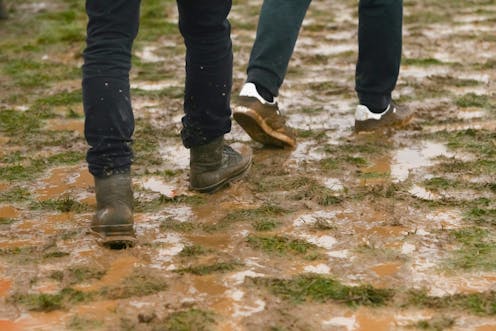
While cleaning up after these floods, make sure you wear gloves and boots to minimise the risk of infection through breaks in the skin. This especially applies to people at highest risk of developing melioidosis, namely those with diabetes, alcohol use disorder, chronic kidney disease, and lung disease.

Read more: Lessons not learned: Darwin's paying the price after Cyclone Marcus

Authors: Sanjaya Senanayake, Associate Professor of Medicine, Infectious Diseases Physician, Australian National University


Read more http://theconversation.com/heres-what-you-need-to-know-about-melioidosis-the-deadly-infection-that-can-spread-after-floods-111813

Why Commercial Carpet Cleaning Services Matter for Professional Spaces

Clean carpets play a major role in shaping how a commercial space looks, feels, and functions. Commercial carpet cleaning services are essential fo...

5 Things to Consider Before Choosing a Commercial Painter

Choosing the right painter for a commercial business can be challenging. Regardless of the type and the size of the property, all commercial project...

Why Medical Fitout Melbourne Practices Rely on for Modern Healthcare Spaces

A well-planned medical fitout Melbourne is essential for creating healthcare environments that support patient care, clinical efficiency, and regula...

Luxury Builders Melbourne Crafting Homes Defined by Design and Detail

Building a premium home is about far more than size or appearance. It is about precision, craftsmanship, and a deep understanding of how refined spa...

Electric Sliding Door Solutions for Modern Living and Commercial Spaces

The way people move through spaces has changed dramatically over the years, and the electric sliding door has become a defining feature of that evol...

Australia’s New Fast Track to Advanced Care in Vietnam

For many Australians, the decision to seek medical care abroad often begins with a specific feeling: the quiet frustration of waiting. According to ...

Cardboard Boxes: A Practical Packaging Solution for Modern Businesses

Reliable cardboard boxes play a vital role in how goods are stored, protected, and transported across industries. From small retailers to large-sca...

The Rise of Smart Homes in Australia: What’s Worth Investing In?

Australia is in the midst of a home technology revolution. From energy efficiency to integrated security, today’s homeowners are transforming thei...

Winter Hairstyling Tips to Prevent Dryness

Winter can be particularly harsh on your hair. Cold air outside, dry indoor heating, and frequent temperature changes can strip moisture from the ha...

Short Term Loans in Australia: Practical Insights for Borrowers and Finance Professionals

Short term loans play a crucial role in Australia’s personal finance landscape. They are designed to cover short-term expenses, unexpected bills, ...

Best EPD Consultants in Australia

Environmental Product Declarations (EPDs) play an increasingly important role in the Australian construction, manufacturing, and infrastructure sect...

I/O Controller And Its Role In Modern Industrial Automation

Industrial automation relies on a range of advanced technologies to ensure precision, speed, and reliability in day-to-day operations. Among these t...

Hydraulic Systems And Their Importance In Modern Industry

A hydraulic system plays a vital role in powering machinery, controlling movement, and delivering high-force performance across countless industrial...

Why Australian Businesses Are Having a Second Think About Digital Growth

Running a business these days is a whole lot different to how it was even a few short years ago. Customers are better informed, there's more competi...

Restaurants Risk Compliance Issues Amid Commercial Plumber Shortage

As demand for housing, roads and facilities increases, so does the demand for trade workers. According to Infrastructure Australia, the construction i...

The Importance Of A Professional Medical Fitout Melbourne For Modern Healthcare Facilities

Healthcare environments must operate with precision, efficiency, and a strong focus on patient comfort. A well-planned medical fitout Melbourne hel...

Top Safety and Comfort Features to Consider in Family Off Road Caravans

Exploring Australia’s coastline, bush tracks or outback locations is far more enjoyable when travelling in a caravan designed for both comfort and...

“Logistical Nightmare” – Rural and Remote Communities Supply Chain Nightmares

Australia’s road logistics need major reform to counteract the supply chain issues that are hitting rural and regional communities hard. With 80% of...
















