

Why YIMBYs, NIMBYs, BIMBYs and YIGBYs all matter for democracy and our future cities
- Written by: Rob Stokes, Industry Professor, Environment and Sustainability, Macquarie University
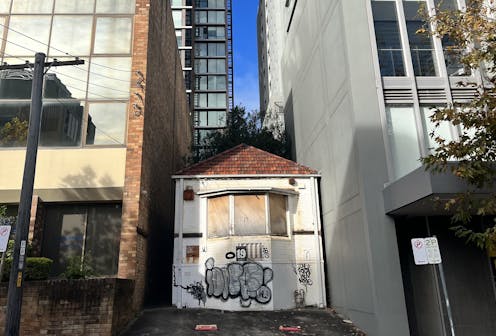
The right of everyone to have a say on development is at the heart of modern urban planning. But as homes become ever more expensive, questions are being asked about whether it is OK to oppose housing developments in cities. Battlelines are being drawn between so-called NIMBYs – people who say “Not In My Backyard” – and YIMBYs, who say “yes” to new housing in their neighbourhood.
The debate has become focused on the right to participate in the public planning process, rather than the merits of development.
However, a healthy planning system celebrates a broad debate, rather than seeking to silence inconvenient voices. Urban democracy is essential to achieve the best outcomes for our cities and all who live in them.
Debate has always been part of the process
Australians have always complained about the neighbours.
Colonists complained about “nuisance” from odour, noise and obstructions emanating from nearby land uses. As cities became bigger in the 20th century, residents started protesting against dense housing that overwhelmed sanitation or transport infrastructure. They also opposed land uses, such as pubs and brothels, they considered conducive to immorality.
Some of the opposition to denser housing came from middle-class suburbanites, who wished to protect their lifestyles and land values. Others opposed housing density because of concerns for the welfare of slum dwellers.
In the early 20th century, urban planners like Raymond Unwin argued there was “nothing gained by overcrowding”. Sprawling “garden suburbs” were designed as the antidote to congestion.
Urbanists like Jane Jacobs, planners like Paul Davidoff and philosophers like Henri Lefebrve and David Harvey all argued that citizens, not just engineers and planners, have a key role in making great cities.
Putting theory into practice, citizen activists in Sydney joined with trade unionists in the world’s first green bans. They banned work on projects that threatened to displace low-income families and destroy built and natural heritage.
The right of citizens to have their say on neighbouring land uses became a feature of emerging planning laws.
Debate is now framed as NIMBYs versus YIMBYs
Industry groups such as the Urban Taskforce, Property Council and Urban Development Institute of Australia have argued that over time, conservative voices intent on excluding new development have used their right to be heard to dominate urban planning outcomes. Framing housing need as a “crisis” has enabled industry groups to characterise public participation in development assessment as unnecessary red tape.
At the same time, developers argue that these NIMBYs have drowned out hard-won rights to include diverse voices in urban planning. They are portrayed as selfish suburban home owners intent on maintaining the status quo.
The influence of NIMBYs has prompted the emergence of YIMBY, BIMBY (Beauty In My Back Yard) and even YIGBY (Yes in God’s Back Yard) groups. They use rights to participate in planning to advocate for, not against, higher-density housing forms such as multi-storey apartments.
Slurs are no substitute for substance
So far, so good. But the debate is turning personal. NIMBY is now a subjective insult, not an objective definition.
Labelling critics of development NIMBYs questions their motivation, avoiding the need to examine the substance of their criticism. A healthy debate about urban futures must acknowledge the differences between unreasonable and reasonable objections to development.
And citizens might oppose a development proposal for many reasons, some baseless, but others reasonable. Sociologist Robert Lake argued that NIMBYs are best defined as locals standing in the way of capital, not social goals.
It is better to ask what a NIMBY is saying “no” to – or a YIMBY is saying “yes” to – and on what grounds, rather than question their right to take part in the debate at all. Opposing development that would cause pollution or destroy biodiversity seems a valid reason to be a NIMBY. Opposing development on the basis of class, race or religion is not.
The purpose of planning is to enable citizens to collectively choose the future for their city. A healthy debate between YIMBYs, NIMBYs and everyone in between strengthens urban democracy and, in doing so, shapes our cities in ways that better serve all who live in them.
Authors: Rob Stokes, Industry Professor, Environment and Sustainability, Macquarie University


















