

Tastes from our past can spark memories, trigger pain or boost wellbeing. Here’s how to embrace food nostalgia
- Written by: Megan Lee, Senior Teaching Fellow, Psychology, Bond University
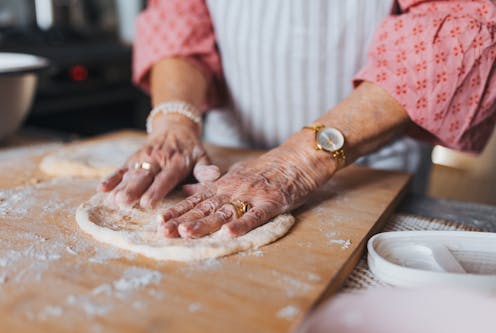
Have you ever tried to bring back fond memories by eating or drinking something unique to that time and place?
It could be a Pina Colada that recalls an island holiday? Or a steaming bowl of pho just like the one you had in Vietnam? Perhaps eating a favourite dish reminds you of a lost loved one – like the sticky date pudding Nanna used to make?
If you have, you have tapped into food-evoked nostalgia.
As researchers, we are exploring how eating and drinking certain things from your past may be important for your mood and mental health.
Bittersweet longing
First named in 1688 by Swiss medical student, Johannes Hoffer, nostalgia is that bittersweet, sentimental longing for the past. It is experienced universally across different cultures and lifespans from childhood into older age.
But nostalgia does not just involve positive or happy memories – we can also experience nostalgia for sad and unhappy moments in our lives.
In the short and long term, nostalgia can positively impact our health by improving mood and wellbeing, fostering social connection and increasing quality of life. It can also trigger feelings of loneliness or meaninglessness.
We can use nostalgia to turn around a negative mood or enhance our sense of self, meaning and positivity.
Research suggests nostalgia alters activity in the brain regions associated with reward processing – the same areas involved when we seek and receive things we like. This could explain the positive feelings it can bring.
Nostalgia can also increase feelings of loneliness and sadness, particularly if the memories highlight dissatisfaction, grieving, loss, or wistful feelings for the past. This is likely due to activation of brain areas such as the amygdala, responsible for processing emotions and the prefrontal cortex that helps us integrate feelings and memories and regulate emotion.
Read more: Nostalgia hasn’t always been a tool for manipulating our emotions – it was once a medical condition
How to get back there
There are several ways we can trigger or tap into nostalgia.
Conversations with family and friends who have shared experiences, unique objects like photos, and smells can transport us back to old times or places. So can a favourite song or old TV show, reunions with former classmates, even social media posts and anniversaries.
What we eat and drink can trigger food-evoked nostalgia. For instance, when we think of something as “comfort food”, there are likely elements of nostalgia at play.
Foods you found comforting as a child can evoke memories of being cared for and nurtured by loved ones. The form of these foods and the stories we tell about them may have been handed down through generations.
Food-evoked nostalgia can be very powerful because it engages multiple senses: taste, smell, texture, sight and sound. The sense of smell is closely linked to the limbic system in the brain responsible for emotion and memory making food-related memories particularly vivid and emotionally charged.
But, food-evoked nostalgia can also give rise to negative memories, such as of being forced to eat a certain vegetable you disliked as a child, or a food eaten during a sad moment like a loved ones funeral. Understanding why these foods evoke negative memories could help us process and overcome some of our adult food aversions. Encountering these foods in a positive light may help us reframe the memory associated with them.

What people told us about food and nostalgia
Recently we interviewed eight Australians and asked them about their experiences with food-evoked nostalgia and the influence on their mood. We wanted to find out whether they experienced food-evoked nostalgia and if so, what foods triggered pleasant and unpleasant memories and feelings for them.
They reported they could use foods that were linked to times in their past to manipulate and influence their mood. Common foods they described as particularly nostalgia triggering were homemade meals, foods from school camp, cultural and ethnic foods, childhood favourites, comfort foods, special treats and snacks they were allowed as children, and holiday or celebration foods. One participant commented:
I guess part of this nostalgia is maybe […] The healing qualities that food has in mental wellbeing. I think food heals for us.
Another explained
I feel really happy, and I guess fortunate to have these kinds of foods that I can turn to, and they have these memories, and I love the feeling of nostalgia and reminiscing and things that remind me of good times.
 Yorkshire pudding? Don’t mind if I do.
Rigsbyphoto/Shutterstock
Yorkshire pudding? Don’t mind if I do.
Rigsbyphoto/Shutterstock
Understanding food-evoked nostalgia is valuable because it provides us with an insight into how our sensory experiences and emotions intertwine with our memories and identity. While we know a lot about how food triggers nostalgic memories, there is still much to learn about the specific brain areas involved and the differences in food-evoked nostalgia in different cultures.
In the future we may be able to use the science behind food-evoked nostalgia to help people experiencing dementia to tap into lost memories or in psychological therapy to help people reframe negative experiences.
So, if you are ever feeling a little down and want to improve your mood, consider turning to one of your favourite comfort foods that remind you of home, your loved ones or a holiday long ago. Transporting yourself back to those times could help turn things around.
Authors: Megan Lee, Senior Teaching Fellow, Psychology, Bond University


















