

we connect with nature in neglected green spaces just as much as in parks
- Written by: Hugh Stanford, Researcher Associate, Centre for Urban Research, RMIT University
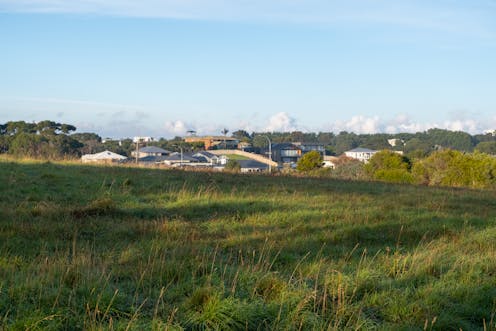
Access to nature is essential for our health and wellbeing. However, as our cities become increasingly crowded, it becomes more and more challenging to find ways to connect with nature in urban spaces.
We know urban parks are key places to engage with nature. However, our research suggests informal green spaces – despite being unplanned, untended and often overlooked – are equally important. We have found people use informal green spaces, such as vacant lots and vegetated areas along railway lines, to engage with nature just as much as in formal green spaces.
This raises the question: should we be doing more to embrace these neglected spaces?
Being connected with nature is good for us
People living in cities are increasingly disconnected from nature. This has potentially far-reaching consequences.
Studies have shown regular interaction with nature can be important for mental and physical health. Time in nature reduces stress and encourages mental restoration. Access to the natural environment is important for children’s mental and social development.
People who do not interact regularly with nature have been shown to be less likely to engage with broader environmental issues. It’s a worrying trend, given the environmental crises we are facing.
Despite the known benefits, interacting with nature is becoming increasingly difficult for people in cities. Urban areas are becoming more densely populated, increasing pressure on accessible green spaces.
At the same time, the amount of green space in many cities is declining. This is due to rising urban density as well as changing housing trends. Traditional backyards are shrinking in countries such as Australia.
In light of this, there is a growing need to use the green space available to us more effectively.
The neglected value of informal green spaces
Informal green spaces are the overlooked areas of vegetation scattered throughout our cities and towns. Think of the tangle of greenery thriving along railway lines, flowers growing on vacant lots, or the unmown grassy patches under power lines. These areas are not usually recognised or managed as part of a city’s official green infrastructure, but provide a unique type of green space.
People report liking these spaces for their wild, unmanaged nature, in contrast to more neatly manicured parks. We know people use these spaces for a range of activities, from taking shortcuts or dog walking to creating community gardens. However, the extent to which people use informal green space to engage with nature has not been well understood until now.
Our recent study sheds light on the importance of informal green space for access to nature in urban areas. We analysed data from citizen science apps such as iNaturalist.
This enabled us to study how often people recorded sightings of animal and plant species in informal green spaces compared to their more formal counterparts, such as parks. It provided a measure of their interaction with nature. We found people use informal green spaces to engage with nature just as much as formal green spaces.
Areas along railway lines and utility corridors were most popular. This may be due to their fixed land tenure. It allows people to become familiar with them and gives nature a better chance to establish on these sites.
Street verges were also important. The data suggest they are as popular as private gardens for connecting with nature.
While parks remain crucial, these findings highlight the important role of informal green spaces in giving people access to nature in cities.
Rethinking how we manage green space in cities
Our works shows the need to expand our thinking about how to improve people’s connection to nature in cities. It’s important to start recognising informal green spaces as a legitimate part of urban green space networks.
We can then begin to consider how best to manage these spaces to support biodiversity while encouraging public use. This will present its own challenges. We’ll need to balance the needs of people with the need to leave enough quiet spaces for nature to thrive.
A majority of the world’s people already live in cities. As urban populations continue to grow, so will the need for accessible green space.
Formal parks will always be important to ensure people have regular, meaningful interactions with nature for the sake of their health and wellbeing. But we need to broaden our perspective to include a more diverse selection of green spaces. By valuing and integrating informal green spaces better into existing green space networks, we can ensure nature remains part of urban life.
Allowing urban residents to connect with nature will promote healthier, happier and more environmentally engaged communities.
Authors: Hugh Stanford, Researcher Associate, Centre for Urban Research, RMIT University


















