

Lethal bird flu could decimate Oceania’s birds. From vigilance to vaccines, here’s what we’re doing to prepare
- Written by: Tiggy Grillo, COO, Wildlife Health Australia; Adjunct Lecturer, Charles Sturt University
Avian influenza viruses have infected the world’s birds for millennia. We first became aware of them in the 19th century, when mass deaths of poultry triggered interest in what was then called “fowl plague”.
But in 2021, something fundamental changed. As the world grappled with COVID lockdowns and economic chaos, the birds of the world were encountering a new strain, known formally as Highly Pathogenic Avian Influenza (HPAI) H5N1 2.3.4.4.b. It spread easily and was capable of causing disease and death in a far wider number of bird species than previously seen before.
So far, it has triggered the culling of half a billion farmed birds and killed millions of wild birds. (This is a different strain to the HPAI H7 strains which have infected poultry farms in Australia).
If this new strain gets to Australia, carried on a migratory wild bird, it could pose similar risks to our unique wildlife. But we haven’t been sitting still. Australian researchers, governments, veterinarians and wildlife rehabilitators have been urgently preparing for its arrival.
Why is this strain so bad?
This strain has now made it to every part of the world bar Australia, New Zealand and Pacific nations. The virus killed many birds in the northern hemisphere before crossing to the Americas. In South America it proved particularly lethal, infecting and killing massive numbers of birds and marine mammals such as sea lions.
Many strains of bird flu are “low pathogenicity”, meaning they tend not to cause severe disease. But these strains can evolve into highly pathogenic strains if they spill over from wild birds into poultry, as we’re seeing with the current outbreaks in poultry farms in Victoria, New South Wales and the ACT.
Prior to 2024, Australia had experienced eight previous outbreaks of H7 HPAI in poultry, all of which were eradicated by culling poultry and isolating farms.

This new H5N1 2.3.4.4.b strain is much more worrying for our wildlife, because it transmits very easily between wild birds. It has proven it can kill mammals, including marine mammals, predators and scavenger species that eat birds.
It also poses a real threat to our poultry industries. If H5N1 2.3.4.4b were to enter Australia, we could see more outbreaks in domestic poultry, which in turn could affect the supply of chicken and eggs – both very popular sources of animal protein in Australia.
Given the virus is present worldwide, including in Antarctica, you might wonder why it hasn’t made it to Australia yet.
Avian influenza travels most easily in waterfowl such as ducks. Australia’s waterfowl are not migratory and only travel short distances between Australia and countries to the north.
But Australia is on the path of several flyways from Asia, along which millions of shorebirds migrate every year in spring. Some seabirds also migrate from the Atlantic.
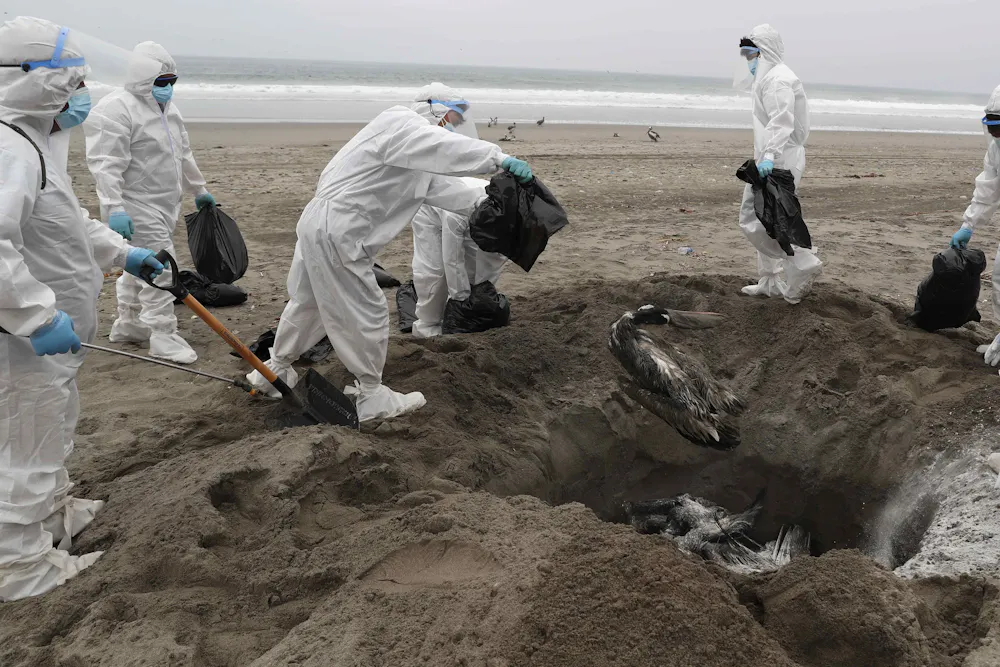 When this strain of bird flu hit South America in 2022, birds such as pelicans died off in droves.
Paulo Aguilar/EPA
When this strain of bird flu hit South America in 2022, birds such as pelicans died off in droves.
Paulo Aguilar/EPA
How are we preparing?
The devastation the virus has caused overseas has given Australia time to prepare.
We can’t stop wild birds from migrating here. But we can slow the spread and protect at-risk wildlife from other threats such as invasive predators, giving them the best chance to survive the virus if it arrives.
Around Australia and on our sub-Antarctic islands, a network of veterinarians, researchers, government officials, rangers and wildlife rehabilitators is on alert looking for sick birds with signs, such as respiratory illness.
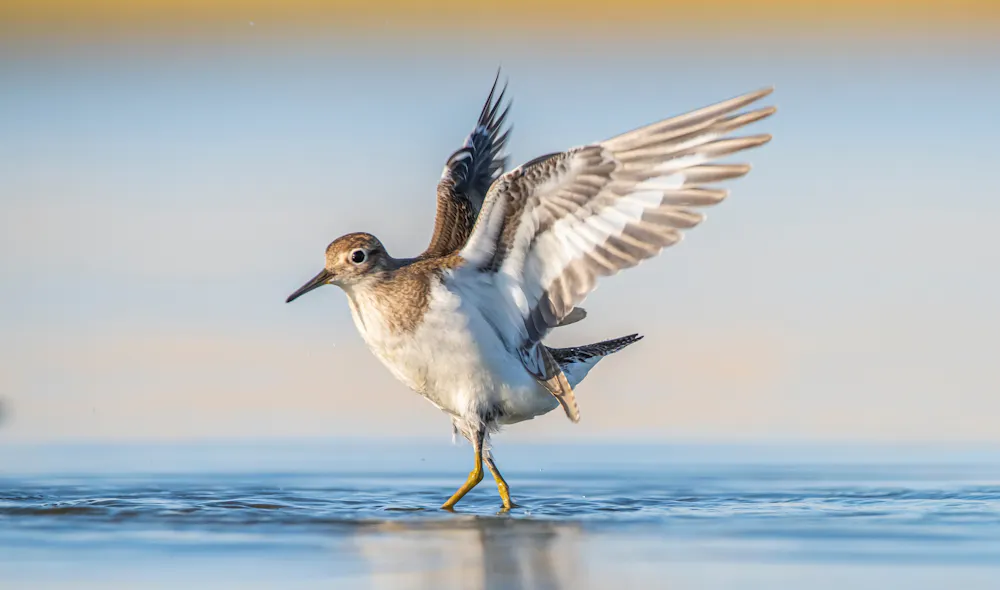 Shorebirds such as the common sandpiper migrate long distances, offering a potential avenue for the virus.
selim kaya photography/Shutterstock
Shorebirds such as the common sandpiper migrate long distances, offering a potential avenue for the virus.
selim kaya photography/Shutterstock
If a bird showing these signs is spotted, they will call the Emergency Animal Disease Hotline (1800 675 888). Members of the public are also encouraged to report sightings.
Other plans for the virus include:
- restricting human movements in and out of virus-affected areas, where appropriate
- surveillance to see how the virus is moving with wildlife
- triage and clinical responses to the virus, including euthanasia for dying birds.
We have created information toolboxes to help wildlife managers and carers to manage risk and reduce transmission if the virus is confirmed here. These include improving baseline biosecurity, clearing away carcasses, restricting human movement to reduce spread, and euthanasing dying birds.
For threatened species, we can explore the merits of vaccination trials for captive birds. New Zealand authorities are trialling this method.
But such vaccination must ultimately serve the welfare interests of wildlife. There are many complexities to consider.
Globally, vaccination of free-ranging wild birds has occurred for just one species – the endangered Californian condor, considered particularly at risk because of its low numbers.
Black swan event?
Overseas, waterfowl, shorebirds and seabirds have proven especially susceptible to the virus. Avian predators are also at risk if they eat sick birds or their carcasses.
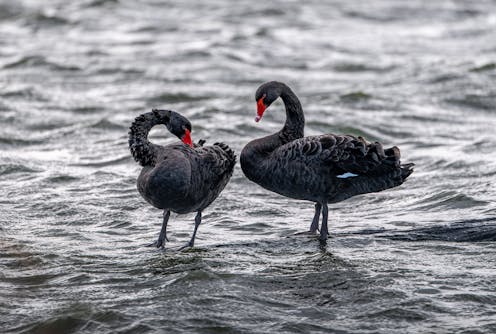
Specific data on Australian species are limited, but at least one local species, the black swan, has been found to be highly vulnerable to the virus because they lack some protective genes.
The sheer variation of our ecosystems might offer some protection. We have many transient bodies of water, such as Kati Thanda-Lake Eyre. If the virus arrived during a period of drought, it could have a different impact than if it arrived during flooding rains, which fill lakes and encourage movement of wild waterfowl.
Because this strain is very new, we don’t know yet what the long term outcome will be.
It’s possible birds which survive an infection will become immune and survive to breed. But some species and populations may not be able to survive this first assault.
This threat is new territory for Australia. Many of the other animal diseases we worry about and prepare for only attack one species, such as African swine fever, or only affect non-native wildlife (such as foot and mouth disease). But this strain of bird flu has attacked over 500 bird species and is infecting a growing number of mammal species.
What can you do? Keep an eye out for any sick or dead birds – and call the Emergency Animal Disease Hotline if you do.
Read more: Chickens, ducks, seals and cows: a dangerous bird flu strain is knocking on Australia's door
Authors: Tiggy Grillo, COO, Wildlife Health Australia; Adjunct Lecturer, Charles Sturt University

















