the rise in marine heatwaves is harming ocean species
- Written by: Dan Smale, Research Fellow in Marine Ecology, Marine Biological Association
In the midst of a raging heatwave, most people think of the ocean as a nice place to cool down. But heatwaves can strike in the ocean as well as on land. And when they do, marine organisms of all kinds – plankton, seaweed, corals, snails, fish, birds and mammals – also feel the wrath of soaring temperatures.
Our new research, published today in Nature Climate Change, makes abundantly clear the destructive force of marine heatwaves. We compared the effects on ecosystems of eight marine heatwaves from around the world, including four El Niño events (1982-83, 1986-87, 1991-92, 1997-98), three extreme heat events in the Mediterranean Sea (1999, 2003, 2006) and one in Western Australia in 2011. We found that these events can significantly damage the health of corals, kelps and seagrasses.
This is concerning, because these species form the foundation of many ecosystems, from the tropics to polar waters. Thousands of other species – not to mention a wealth of human activities – depend on them.
We identified southeastern Australia, southeast Asia, northwestern Africa, Europe and eastern Canada as the places where marine species are most at risk of extreme heat in the future.
Read more: Marine heatwaves are getting hotter, lasting longer and doing more damage
Marine heatwaves are defined as periods of five days or more during which ocean temperatures are unusually high, compared with the long-term average for any given place. Just like their counterparts on land, marine heatwaves have been getting more frequent, hotter and longer in recent decades. Globally, there were 54% more heatwave days per year between 1987 and 2016 than in 1925–54.
Although the heatwaves we studied varied widely in their maximum intensity and duration, we found that all of them had negative impacts on a broad range of different types of marine species.
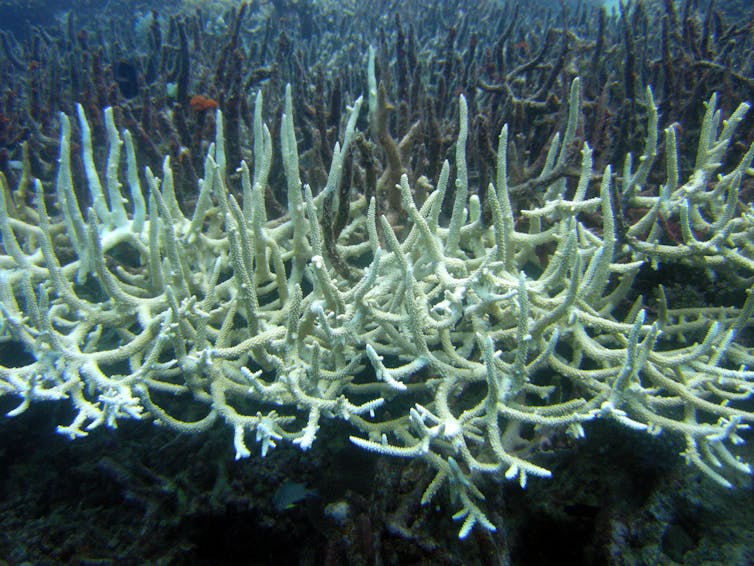 Marine heatwaves in tropical regions have caused widespread coral bleaching.
Humans also depend on these species, either directly or indirectly, because they underpin a wealth of ecological goods and services. For example, many marine ecosystems support commercial and recreational fisheries, contribute to carbon storage and nutrient cycling, offer venues for tourism and recreation, or are culturally or scientifically significant.
Read more: Australia's 'other' reef is worth more than $10 billion a year - but have you heard of it?
.
Marine heatwaves have had negative impacts on virtually all these “ecosystem services”. For example, seagrass meadows in the Mediterranean Sea, which store significant amounts of carbon, are harmed by extreme temperatures recorded during marine heatwaves. In the summers of both 2003 and 2006, marine heatwaves led to widespread seagrass deaths.
Read more: Seagrass, protector of shipwrecks and buried treasure
The marine heatwaves off the west coast of Australia in 2011 and northeast America in 2012 led to dramatic changes in the regionally important abalone and lobster fisheries, respectively. Several marine heatwaves associated with El Niño events caused widespread coral bleaching with consequences for biodiversity, fisheries, coastal erosion and tourism.
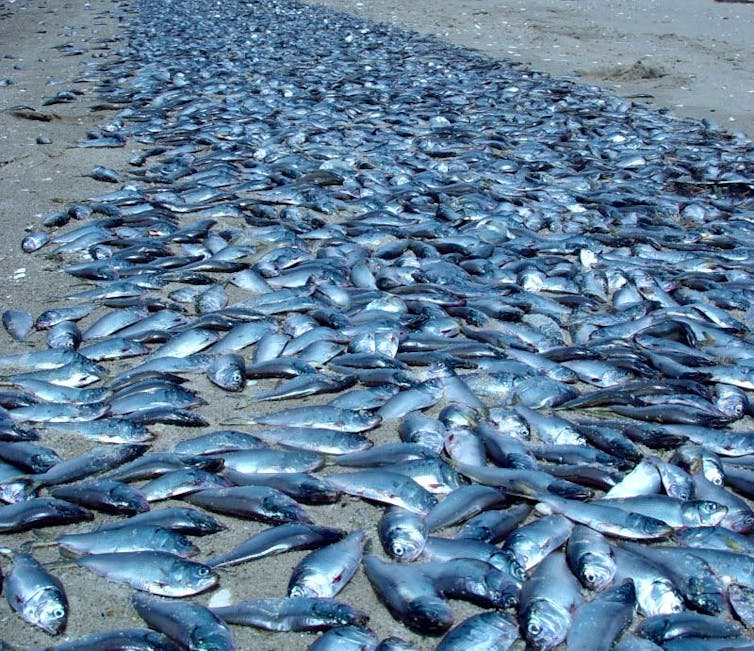 Mass die-offs of finfish and shellfish have been recorded during marine heatwaves, with major consequences for regional fishing industries.
All evidence suggests that marine heatwaves are linked to human mediated climate change and will continue to intensify with ongoing global warming. The impacts can only be minimised by combining rapid, meaningful reductions in greenhouse emissions with a more adaptable and pragmatic approach to the management of marine ecosystems.
Authors: Dan Smale, Research Fellow in Marine Ecology, Marine Biological Association