

We reviewed the health habits of centenarians. These 4 things could lead to a longer life
- Written by: Zhaoli Dai-Keller, Honorary Senior Lecturer, School of Pharmacy, University of Sydney; Nutritional epidemiologist and Lecturer, School of Population Health, UNSW Sydney
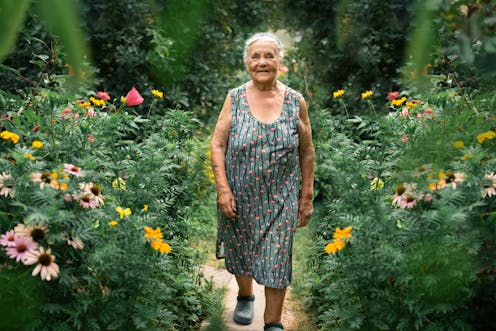
The number of centenarians around the world rose from 151,000 in 2000 to 573,000 in 2021. People are living longer, and we can expect to see more people reach 100 in the years to come.
Centenarians exemplify successful ageing, often experiencing fewer chronic diseases and maintaining independence in daily life well into their 90s. While genetics contribute to longevity, modifiable factors account for more than 60% of successful aging.
But what sort of factors specifically contribute to living to 100? To find out, we reviewed lifestyle and health habits of centenarians and near-centenarians (those aged 95–99) worldwide.
Our recent review included 34 observational studies published since 2000. Here are four key factors we found contribute to extreme longevity.
1. A diverse diet with controlled salt intake
Centenarians and near-centenarians typically had a balanced and diverse diet. We found, on average, they consumed between 57% and 65% of their energy intake from carbohydrates, 12% to 32% from protein, and 27% to 31% from fat. Their diets included staple foods (such as rice and wheat), fruits, vegetables, and protein-rich foods like poultry, fish and legumes, with moderate red meat consumption.
This dietary pattern, similar to the Mediterranean diet, is linked to lower risks of physical function impairment and death.
Most centenarians also preferred a low-salt diet. While only one study in our review measured the mean daily sodium intake, finding 1.6 grams, this was within the World Health Organization’s recommendation of less than 2g of sodium per day (equivalent to about 5g of salt). The traditional Okinawan diet, known for its consumption by Japanese centenarians on Okinawa Island, contains an estimated 1.1g of sodium.
We found higher salt intake (those who preferred salty food or added extra salt to meals) had a 3.6-fold increased risk of physical function impairment compared to those without a preference for salt.
Practically, these findings suggest we should include plenty of wholegrains, root vegetables, beans, legumes, fruits and vegetables in our diet, minimise red meat consumption and opt for lean poultry, fish, and plant-based protein, and monitor salt in our food.
2. Lower medication use
Centenarians are not free from chronic conditions but typically develop them much later than average adults. More than half of the people in our review experienced common issues such as hypertension (high blood pressure), dementia, or cognitive impairment.
We found people in our review took an average of 4.6 medications. The most frequently used medications included blood pressure medications and drugs for heart disease. This is similar to the results of a large health register-based study in Spain, which found centenarians took an average of 4.9 medications. Non-centenarians in this study took 6.7 medications on average.
The fact centenarians appear to take fewer medications may indicate better health with fewer medical conditions. However, data on medication use is often self-reported and so may not be entirely accurate, especially among those with cognitive impairment.
Polypharmacy is often defined as taking five or more medications simultaneously, and is common in older adults. Inappropriate polypharmacy is associated with increased risks of adverse events such as falls, cognitive impairment and hospitalisation, due to harmful drug interactions.
While the type or number of prescribed medications may not be within a patient’s control, it’s important for doctors to prescribe medications only when necessary, fully inform patients about benefits and risks, and regularly review treatment plans.
3. Getting good sleep
Sleep quality and quantity affect the immune system, stress hormones, and cardiometabolic functions such as obesity, high blood pressure, and diabetes. Good sleep is associated with extended years of good health and reduced risks of chronic diseases.
In our review, 68% of the centenarians were satisfied with their sleep quality. In a survey of adults’ sleep satisfaction in 13 countries in 2020, sleep satisfaction ranged from 29% to 67%.
The optimal sleep duration is between seven and eight hours per night. Tips to achieving better sleep include keeping a regular sleep routine, creating a restful environment, exercising regularly and managing stress.
4. Living environment
More than 75% of the centenarians and near-centenarians in our review lived in rural areas. This is a pattern reflected in “blue zones”, areas known for high concentrations of centenarians, such as Okinawa in Japan, Sardinia in Italy, the Nicoya Peninsula in Costa Rica, and Ikaria in Greece.
This may be partly related to the connection between nature and health and wellbeing. For example, exposure to green space has been associated with lower stress, depression, blood pressure, type 2 diabetes and heart disease, potentially increasing life expectancy.
Other important factors
We didn’t look at all lifestyle factors associated with longevity in our review. Research also shows not smoking, avoiding alcohol or drinking moderately, staying physically active and maintaining social connections are important for boosting a person’s chances of living to 100.
Of course, adopting the lifestyle changes discussed in this article won’t guarantee you’ll reach the ripe old age of 100. And on the flip side, some centenarians have shared questionable health habits.
But many older adults are seeking to adopt healthier lifestyles to prevent and manage chronic conditions, while health-care professionals are similarly recognising the value of lifestyle medicine.
The earlier you can adopt positive lifestyle changes and healthier habits, the better placed you’ll be to achieve a long and healthy life. Becoming a centenarian is a lifelong endeavour.
Authors: Zhaoli Dai-Keller, Honorary Senior Lecturer, School of Pharmacy, University of Sydney; Nutritional epidemiologist and Lecturer, School of Population Health, UNSW Sydney


















