

What makes a city great for running and how can we promote ‘runnability’ in urban design?
- Written by: Jua Cilliers, Head of School of Built Environment, Professor of Urban Planning, University of Technology Sydney
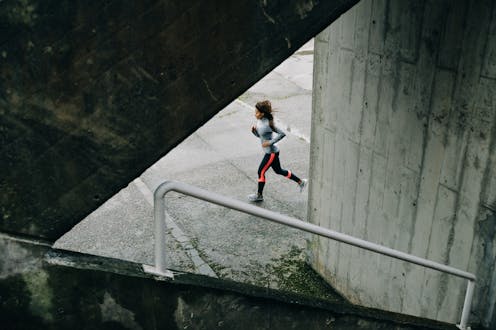
If you’ve ever run a big marathon in your city, you’ll know the feeling can be electric. Blocked off streets, cars temporarily banished from the road and a sense of enormous freedom as you run.
For most runners, however, running through cities on an ordinary day is not always pleasant. Planners often focus on walkability and bicycle-friendly cities, which is great to promote active transport. But we don’t generally plan cities to be good for runners.
Yet, millions of us are runners; it’s one of the world’s most practiced sports and more of us are joining run clubs.
Making our cities “runnable” could inspire even more people to take up running. So, what makes a city runnable?

Urban design and ‘runnability’
It was at conference of the International Society of City Planners in Jakarta in 2019 that a group of us – all planners who love running – began to seriously consider city planning with a focus on runnability. We even held a “run-shop” (instead of a workshop) where we ran together to explore the city.
For the past five years our group has been reflecting the runnability of cities. We realised factors such as safety, air quality, accessibility, and infrastructure play a significant role.
Our recent paper published in the Journal of Urban Design and Planning explored the key urban design elements that make a city runnable.
Among other things, runnable cities prioritise:
accessibility
uninterrupted movement for runners (avoiding stops, crossroads and railways)
safety
aesthetic appeal and
well-maintained green infrastructure, such as parks, urban forests, and trees (which also improve air quality and reduce urban heat).
So, how can planners build these elements into urban design?
 Incorporating ‘runnable’ green space into cities is smart urban planning.
Tom Wang/Shutterstock
Incorporating ‘runnable’ green space into cities is smart urban planning.
Tom Wang/Shutterstock
Urban design principles that promote runnability
Several urban design principles can enhance the runnability of a city:
Connectivity and accessibility: This means developing a network of interconnected running paths and trails that are easily accessed from various parts of the city (especially neighbourhoods). Even better if can be green corridors that connect to other parks and open spaces, and support continuous movement.
Safety and security: Ensuring running paths are well-lit and separated from vehicle traffic is crucial. Traffic calming measures such as vehicle lane narrowing, wider footpaths, and appropriate landscaping enhance runner safety. Street trees also help reduce car speeds, as they alter our perception of how wide the road is and provide a psychological cue that we’re in a residential area. Redesigning urban infrastructure to include dedicated running paths alongside walking paths and bicycle lanes, is a great idea.
Inclusive design: City design should encourage active mobility, which means including benches, water fountains, and restrooms along running routes. It means building footpaths that enables running, and avoiding uneven, slippery or unfavourable surfaces such as cobblestones. It also means making it easy to find your way around – even in unfamiliar environments.
What makes a city unpleasant for running?
Narrow pavements, sharp corners, noise (including traffic noise) and areas with many traffic lights are some of the big concerns for city runners.
Other factors that make a city less “runnable” include:
high pollution levels
inadequate infrastructure, such as potholes and broken or non-existent paths
poor lighting
unsafe traffic environments
unleashed dogs
encounters with cars and cyclists
urban heat (which is exacerbated by too much concrete and not enough greenery).
Around 75% of athletes on the exercise app Strava indicated extreme heat affected their exercise plans in 2023. Given the pace at which the climate is changing, factoring urban heat into city design will grow ever more crucial.
We don’t want our cities to become so hot that going for a run feels impossible.
Does it matter what trees are planted alongside the paths?
Street trees offer benefits to pedestrians and runners.
However, they also bring challenges. Tree roots can buckle sidewalks, fallen leaves or fruits can make paths slippery, and trees can sometimes block the view of nearby traffic.
The type of trees planted along running paths are therefore crucial. Native trees are often the best choice, as they are well adapted to the local climate and require less maintenance. They provide shade, improve air quality, and support local biodiversity.
Trees with high canopies and low root invasiveness offer shade without obstructing the paths or damaging the pavement.
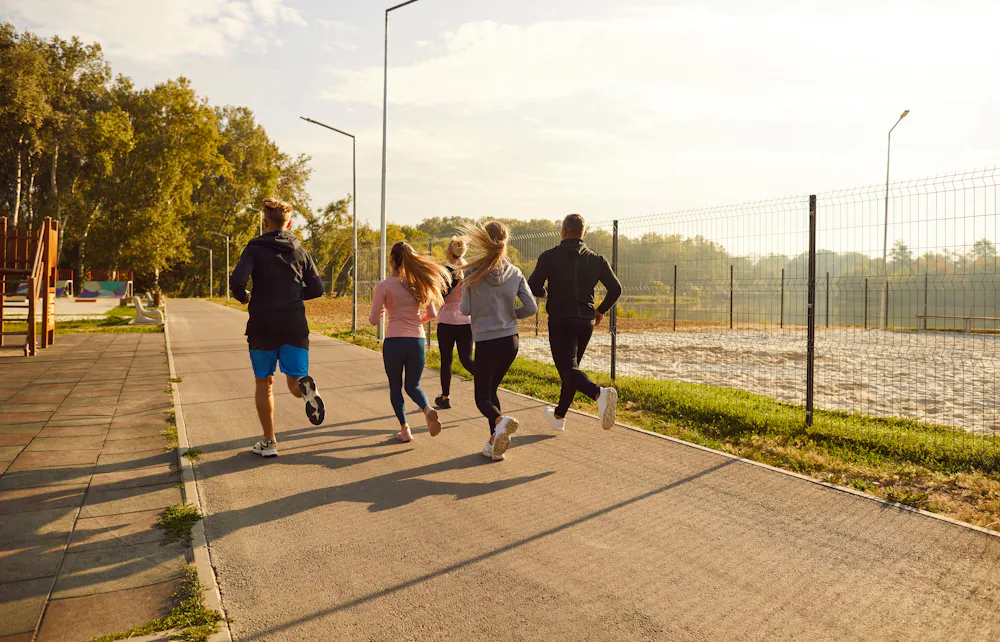 Including running paths in urban infrastructure helps a lot.
Studio Romantic/Shutterstock
Including running paths in urban infrastructure helps a lot.
Studio Romantic/Shutterstock
Where are the great runnable cities of the world?
Several cities around the world have been recognised for their runnability. For instance, Copenhagen has an extensive network of running paths and green spaces, along with a strong emphasis on safety and inclusivity.
Cities such as Portland, Vancouver and Amsterdam have also made significant strides in promoting runnability.
And according to the app, Runkeeper, Sydney is a top contender due to its harbour, gardens, coastal paths and parks. Auckland in New Zealand also made the list, celebrated for its harbours, great paths, and runs you can take “just outside the city for trails through seemingly enchanted forests”.
The challenge for urban planners and governments is to extend this urban running experience to cities, and neighbourhoods, all over the world. If we want to create healthier and more inclusive environments, runnable cities might be the answer.
Authors: Jua Cilliers, Head of School of Built Environment, Professor of Urban Planning, University of Technology Sydney


















