

Our cities are losing the small, colourful songbirds that give us the most joy
- Written by: Andres Felipe Suarez-Castro, Research Fellow, Ecological Modelling, Griffith University
The birds that fill our mornings with songs and our parks and gardens with colour are disappearing from our cities, our new study has found.
We examined 82 bird species across 42 landscape types in Brisbane. The range of landscapes encompassed parks, bushland reserves, and industrial and residential areas.
Our findings were clear: urbanisation, particularly the increase in built infrastructure and the loss of green spaces, was linked to a decline in the bird communities we find most attractive. In other words, many of the colourful birds with sweet songs are leaving or dying out. They include many smaller species that are among the most affected by increasing urbanisation.
Beauty may be in the eye of the beholder, but previous research has shown species with bright colours, contrasting colour patterns and melodious calls are perceived as attractive. Seeing and hearing them can enhance our mood. As cities expand and we cram more people into existing urban areas, we risk losing the vibrant natural birdlife that helps make urban life enjoyable.
What’s causing the loss of these species?

A range of factors is driving the decline of small, colourful and melodious birds. The many pressures on these species include habitat loss and fragmentation as land is cleared for buildings and roads.
Competition from aggressive birds, such as noisy miners (Manorina melanocephala), also has a particularly severe impact on small, forest-dependent species. They include many of the birds we consider most atttractive.
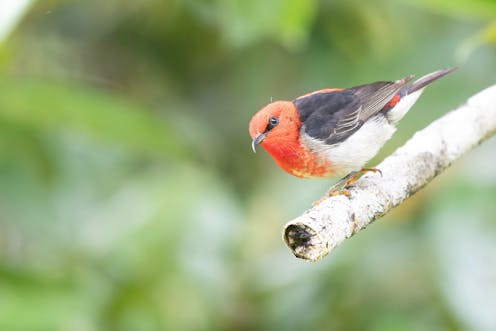
Vulnerable species in Brisbane include the white-throated gerygone (Gerygone olivacea). Known for its striking colours and distinctive calls, it’s one of the species being squeezed out of our cities. Also vanishing from the most urbanised areas we studied are delicate species such as the scarlet honeyeater (Myzomela sanguinolenta) and the golden whistler (Pachycephala pectoralis).
Landscapes with low numbers of species still support some species with traits that people consider “attractive”. They include the rainbow lorikeet (Trichoglossus haematodus) and the willie wagtail (Rhipidura leucophrys). Larger urban-adapted species, such as the pied butcherbird (Cracticus nigrogularis) and the Australian magpie (Gymnorhina tibicen), also have melodious calls that give us joy.
But poor urban design means our cities are losing the rich diversity of beautiful bird songs and colours that residents once enjoyed.
It’s not just beauty we’re losing
Cities across Australia are growing. South-east Queensland, where we did our research, is forecast to gain an extra 2.2 million people by 2046.
When poorly planned, urban expansion reduces and fragments habitats. It means vibrantly colourful nature is replaced by dull, dreary greys.
The presence of diverse bird species in urban areas is crucial for biodiversity conservation. Our cities are home to a great variety of species, including surprisingly large numbers of threatened species.
Conserving these attractive bird species could also strengthen connections between people and nature. Losing these unique, colourful species with their unique calls means missing opportunities to experience the full beauty of nature.
The absence of diverse bird species in cities also points to a broader issue: the loss of the essential ecological and cultural services these species provide. These birds pollinate plants, disperse their seeds and control pests. These services are vital for the health of ecosystems in our cities.
Losing these birds could also result in a shifting baseline where we, and future generations, become accustomed to seeing only a limited snapshot of nature. The result could be an “extinction of experience”, as reduced daily encounters with nature lead to an emotional disconnection from the natural world.
How can we bring this natural joy in cities?
Urban planning has the power to bring back vibrant, colourful birdlife to our cities. In this way, it can enrich our daily lives and connections with nature in the places we live and work.
Thoughtful urban designs can prioritise biodiversity and habitat protection. Our research shows this can foster more diverse and attractive bird communities, even in densely built areas.
Maintaining urban bushland reserves that preserve native vegetation is important, but we can also help in other ways. Simple actions such as planting a variety of shrubs and trees in gardens and parks can create pockets of native habitat that allow colourful and melodious birds to thrive. Beyond beautifying our urban spaces, these actions create “green corridors” that support the movement of wildlife, thereby helping to maintain biodiversity.
The way people perceive and interact with nature is very personal. Urban-resilient species such as magpies and butcherbirds are valuable in their own right and play a vital role in urban ecosystems. However, careful design of our cities can open the door to experiencing a wider variety of astonishing birdlife.
It is not just about preserving what we have, but actively enhancing our urban spaces to welcome back the species that fill our lives with colour, song and joy.
Authors: Andres Felipe Suarez-Castro, Research Fellow, Ecological Modelling, Griffith University


















