

high-performance sport funding risks a return to the ‘win at all costs’ model
- Written by: Holly Thorpe, Professor in Sociology of Sport and Gender, University of Waikato
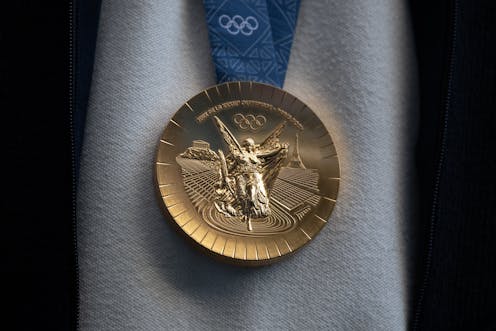
On the face of it, New Zealand’s new high-performance sport funding model announced yesterday is an increase on the previous round. But it is ultra-focused on already successful sports, and will put athletes under even more pressure.
High Performance Sport New Zealand is investing NZ$162.8 million over the next four years in the build-up to the 2028 Los Angeles Olympics and Paralympics.
At a time when government spending is highly constrained, with cuts to many public services, this represents a boost of $31.8 million from the $131 million invested in the three years leading up to this year’s Paris Olympics.
But the funding is considerably less than the investments other countries are making in their elite sport performance programmes.
In June, the Australian government announced the equivalent of an extra $300 million for sport over the next two years, taking funding up to $530 million over that period. Earlier this week, the United Kingdom announced a record NZ$664 million for Olympic and Paralympic sports ahead of the next Olympics.
To remain competitive, then, a revised funding model is being developed in New Zealand. Over the next four years, money will be funnelled into 36 sports. But funding will shrink for 23 of these sports, and some sports have lost all funding entirely.
Podium sports in focus
The new model explicitly prioritises funding based on podium results. Only sports that did well in Paris and are predicted to medal at upcoming Olympics, Paralympics and world championships will see money this time.
With national sports organisations pitching to High Performance Sport New Zealand, the assessment criteria included past performance, future potential, and quality of pathways for developing talent.
Using these criteria, the decisions prioritised podium sports – those “highly likely to achieve multiple podium success at pinnacle events across multiple cycles” – over other markers of sporting success, achievement and impact.
The criteria do not allow for those sports with the highest levels of participation, and podium sports are not always the most accessible for anyone to participate in.
Sports scholars have raised concerns about such targeted investment in high performance sport in New Zealand and overseas.
Some suggest strategic funding such as this can, in fact, have unintended negative consequences for sports organisations, performance measures and athlete health and wellbeing. Others question such significant investment in high performance sport all together.
Winners and losers
Under the podium priorities, there are clear winners and losers. Rowing comes out on top, with funding of more than $6 million over the next cycle. This is on the back of 11 athletes winning medals in Paris.
Next come cycling, yachting, athletics and canoe racing, with all except yachting receiving large increases.
Swimming, equestrian and hockey see large funding reductions. Swimming New Zealand loses more than 40% of its funding, equestrian loses 45% and Hockey New Zealand’s high-performance funding is being cut almost in half.
Other sports, such as surfing, diving, badminton, e-sports (competitive video gaming, recently included in the Olympics with the announcement of the inaugural Olympic eSports Games in 2025) and football will not receive any investment funding at all.
The football decision is particularly surprising, given the huge national interest in the Football Ferns during the 2023 Women’s World Cup and the clear talent levels on the field. At this year’s Olympics, two talented New Zealand surfers held their own among the world’s best on challenging waves in Tahiti.
These cuts will have significant effects on the ambitions and dedication of current and future Olympic hopefuls. High-performance funding is important for supporting athletes in qualifying and competing internationally. But it is also key to building strong athlete development pathways for future successes, well beyond Los Angeles in 2028.
Under the new funding model, New Zealand is likely to see fewer sports represented at the Olympic level. The impact on participation levels in the types of sports children (and future athletes) are inspired to pursue remains uncertain. But as the saying goes, “if you can see it, you can be it”.
A ‘win at all costs’ model?
The other risk is a return to a “win at all costs” model that has not worked well in the past.
Cycling New Zealand, for example, will see an increase from $770,433 to $5.25m in the next round. This is largely the result of women track cyclists winning seven medals in Paris.
But at the same time, the organisation has been under scrutiny for mistreatment of athletes, highlighted in two reviews and a coronial inquiry into the death of Olivia Podmore.
Read more: The price of gold — what high-performance sport in NZ must learn from the Olivia Podmore tragedy
Cycling is not the only sport to be exposed for toxic cultures that prioritised podium results over athlete health and wellbeing. But the new funding model looks like a clear reinforcement of the “win at all costs” model that has harmed many athletes in the past.
While High Performance Sport New Zealand has been clear that some of the funding will be allocated to ensure athlete health and wellbeing (including a comprehensive wellbeing programme), the pressures on athletes to win medals will be higher than ever.
When medals matter most, sports organisations make decisions in the knowledge that future funding depends on winning above all else. But research has consistently shown it is often the sporting stories of character, resilience and courage that inspire people most.
As we’ve seen in both football and surfing, it is not always podium results that contribute to strong national pride and important social legacies from sport. The longer-term impacts of funding cuts on those and other sports can’t be ignored.
Sometimes, success cannot be measured in medals alone.
Authors: Holly Thorpe, Professor in Sociology of Sport and Gender, University of Waikato


















