

Why community volunteers will be essential for how NZ handles the arrival of bird flu
- Written by: Brett David Gartrell, Professor in Wildlife Health, Te Kunenga ki Pūrehuroa – Massey University
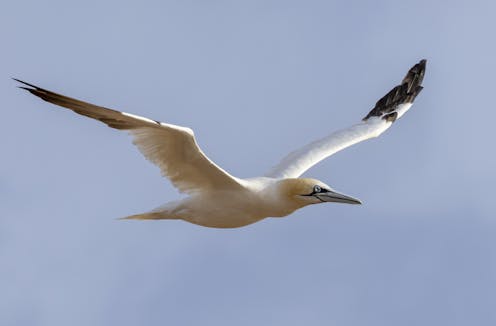
Aotearoa New Zealand, Australia and Pacific island nations are the only countries that remain free of highly pathogenic avian influenza.
The deadly bird flu virus was first detected in the southern hemisphere in 2023 and spread through South America to the sub-Antarctic islands and the Antarctic peninsula. It has devastated wild bird populations globally, with millions of dead birds recorded at more than 2,600 separate clusters, according to reports by the World Organisation for Animal Health.
An outbreak poses a significant risk to wildlife in New Zealand but the country’s conservation volunteers could provide a crucial defence line.
Conservation in New Zealand depends on the goodwill and enthusiasm of passionate people who walk our beaches doing shore bird surveys, monitoring bittern calls in wetlands and tramping our mountains and rivers to maintain predator traps. Mobilising these groups is crucial to ensure the earliest possible detection.
Preparing for bird flu
Bird deaths have been reported from every continent except Australia and outbreaks are slowly moving closer to New Zealand. Globally, the virus has also spilled over into mammals, causing deaths in cats, dogs, bears, foxes and skunks.
Sustained transmission to mammals has now occurred in farmed mink in Spain, in dairy cows in the United States and in elephant seals in South America. The number of human infections fortunately remains very low but the mortality rate in people is high.
In New Zealand, the Ministry for Primary Industries is responsible for the control of exotic disease incursions. In December last year, an outbreak of the H7N6 variant of avian flu in a poultry farm led to the culling of 160,000 chickens.
In a recent outbreak of the H7N3 variant in Australia, almost half a million birds (including poultry, turkey, farmed emus and pets) were culled.
If the highly pathogenic H5N1 variant were to be discovered in poultry in New Zealand, the ministry would likely adopt an eradication strategy. However, in wild birds eradication would probably not be attempted. The ministry has been working with the poultry industry, but we have yet to see detailed guidelines for outbreaks in other farmed animals and wild bird populations.
Incursion of the virus would have far-reaching effects on domestic and wild birds and the people who work with them. Waterfowl and seabirds are the most likely way the virus would spread within New Zealand, moving rapidly across the country within a few weeks.
Impacts on wildlife
Zoos and other facilities holding captive birds have already begun making plans, mostly focusing on movement restrictions and excluding wild birds. Core populations of our most critical endangered species such as kakī (black stilt), takahē, kākāpō, tūturuatu (shore plover) and kākāriki karaka will be vaccinated.
However, if this virus behaves as it has in other countries, New Zealanders should prepare to see dead and dying birds on beaches and in parks. Common signs include seizures, tremors, paralysis, nasal discharge, head swelling, diarrhoea and sudden death. Animals dying of this disease undergo considerable suffering.
Our conservation community would be faced with an unparalleled wildlife tragedy, with very limited options for effective and safe responses. Other communities of people that interact with wild birds would also be affected. An outbreak would likely mean cancellations of shooting seasons for several years.
People who keep free-range poultry and waterfowl would have to consider moving birds indoors, or culling flocks with little or no veterinary support. Veterinarians would need to focus on managing the biosecurity of their own hospitals and staff.
Responding to highly pathogenic bird flu in wild birds
If New Zealand has an outbreak in wild birds, the ministry will pass responsibility for operational responses on conservation land to the Department of Conservation and to local authorities on other public lands. Private landowners will be responsible for dealing with dead and dying birds on their own land.
On conservation land, affected areas will be closed to the public but there are no plans for culling, euthanasia or removal of dead birds. Removing ill and dead birds does not help to control local disease spread, but the virus persists in carcasses for extended periods. Scavengers and predators could transfer infections to new areas.
Our challenges will be to ensure that any disease management strategies protect the health of workers and volunteers, that affected animals are killed humanely and that bodies are disposed of safely. The tikanga (protocols) of tangata whenua must also be considered in all wildlife interventions.
Keeping communities safe and able to help
New Zealand’s current strategy is focused on preventing human harm by insisting any interventions are made by the relevant authorities. Our experiences suggest this approach is unrealistic as local communities are unlikely to stand by while animals are dying, especially when authorities advocate minimal or no intervention, however well motivated.
Wildlife rehabilitators are being asked to cease their activities in the event of an incursion, yet people will continue to bring them animals in need of care. Indeed, the number of animals brought to these volunteers is likely to increase substantially.
The mental health impacts of exposure to the trauma of animals are now well understood. An outbreak will likely affect the wellbeing of people involved in the response. Compassion fatigue and post-traumatic stress disorder are common and can be especially severe without adequate training and support to help people cope.
It is imperative that authorities develop strategies that will keep people safe while addressing their concerns for wildlife welfare. Community groups will inevitably deal with this pandemic, but to do so safely, they need clear guidelines and personal protective equipment.
We argue New Zealand should urgently develop a more detailed national strategy, focused on empowering local responses to prevent animal suffering wherever it is safe to do so.
Authors: Brett David Gartrell, Professor in Wildlife Health, Te Kunenga ki Pūrehuroa – Massey University


















