

What’s the difference between ageing and frailty? One is inevitable – the other is not
- Written by: Julee McDonagh, Senior Research Fellow of Frailty Research, University of Wollongong
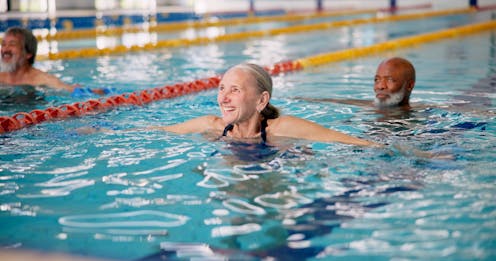
Ageing is a normal part of the life course. It doesn’t matter how many green smoothies you drink, or how many “anti-ageing” skin care products you use, you can’t stop the ageing process.
But while we’re all getting older, not everyone who ages will necessarily become frail. Ageing and frailty are closely related, but they’re not the same thing.
Let’s break down the difference between the two.
What is ageing?
On a biological level, ageing is the result of the build-up of cellular and molecular damage in the body over time.
The ageing process causes a gradual decline in physical and mental function, a higher risk of disease, and eventual (and unavoidable) death.
Still, some people think they can cheat the system, spending millions trying to stay young forever. While we may be able to reduce the appearance of ageing, ultimately there’s no magic pill to increase our longevity.
Around one in six Australians are over the age of 65 (16% of the total population). Yet as individuals and a society many of us still have a fear of ageing.
But what is it about ageing we are so afraid of? When it comes down to it, many people are probably less afraid of ageing, and more afraid of becoming frail.
What is frailty?
Frailty is defined as a state of vulnerability characterised by a loss of reserve across multiple parts of the body.
Frailty is generally characterised by several physical symptoms, such as weakness, slow walking speed, exhaustion, unintentional weight loss, and low activity level.
Lower bone density and osteoporosis (a condition where the bones become weak and brittle) are also associated with frailty, increasing the risk of falls and fractures.
Notably, someone who is frail is less able to “bounce back” (or recover) after a stressor event compared to someone who is not frail. A stressor event could be, for example, having a fall, getting a urinary infection, or even being admitted to hospital.
Frailty is more common in older people. But in some cases, frailty can affect younger people too. For example, people with advanced chronic diseases, such as heart failure, can develop frailty much younger.
Frailty is dynamic. While it can get worse over time, in some cases frailty can also be reversed or even prevented through health and lifestyle changes.
For example, we know physical inactivity and a sedentary lifestyle can significantly increase a person’s risk of becoming frail. On the flip side, evidence shows doing more exercise can reduce frailty in older adults.
There are other lifestyle modifications we can make too. And the earlier we make these changes, the better.
Preventing frailty
Here are some key things you can do to help prevent frailty:
1. Get moving
Exercise more, including resistance training (such as squats and lunges, or grab some stretchy resistance bands). Many of these sorts of exercises can be done at home. YouTube has some great resources.
You might also consider joining a gym, or asking your GP about seeing an accredited exercise physiologist or physiotherapist. Medicare subsidies may be available for these specialists.
The physical activity guidelines for older Australians recommend at least 30 minutes of moderate intensity physical activity on most days or preferably every day.
The guidelines also highlight the importance of incorporating different types of activities (such as resistance, balance or flexibility exercises) and reducing the time you spend sitting down.
2. Stay socially active
Social isolation and loneliness can contribute to the progression of frailty. Reach out to friends and family for support or contact local community groups that you may be able to join. This might include your local Zumba class or bridge club.
3. Ask your doctor or pharmacist to regularly check your medications
“Polypharmacy” (when someone is prescribed five or more medications) is associated with an increased risk of frailty. The presence of frailty can also interfere with how the body absorbs medicines.
Home medicine reviews are available for older adults with a chronic medical condition or a complex medication regimen. These reviews aims to help people get the most benefit from their medicines and reduce their risk of experiencing adverse effects.
Always consult your doctor before making any changes to your current medications.
4. Eat a protein-rich diet with plenty of fruit and vegetables
Low nutrient intake can negatively impact physical function and may increase your risk of becoming frail. There’s some evidence to suggest eating more protein may delay the onset of frailty.
A food-first approach is best when looking to increase the protein in your diet. Protein is found in foods such as lean meats, poultry, seafood, eggs, dairy products, legumes and nuts.
Adults over 50 should aim to eat 64 grams of protein per day for men and 46g per day for women. Adults over 70 should aim for 81g per day for men and 57g per day for women.
Ask your GP for a referral to a dietitian who can provide advice on a dietary regime that is best for you.
Supplements may be recommended if you are struggling to meet your protein needs from diet alone.
Authors: Julee McDonagh, Senior Research Fellow of Frailty Research, University of Wollongong


















