

Consumer resistance is rising in the age of Trump. History shows how boycotts can be effective
- Written by: Garritt C. Van Dyk, Senior Lecturer in History, University of Waikato
Boycotts are back. With people worried about everything from labour practices and human rights to tariffs and equal opportunity initiatives, collective consumer resistance has been rising globally.
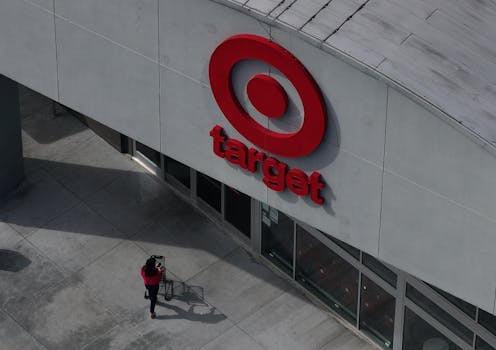
Right now, there are several month-long boycotts of Target underway in the United States due to the company abandoning its diversity, equity and inclusion (DEI) programme. Longer boycotts of specific corporations, beginning with Amazon, are scheduled for March and April.
Last week, the non-partisan, grassroots People’s Union USA organised a “national economic blackout” by urging consumers to avoid buying anything beyond essentials. The inaugural event was, in part, spurred by anger at government cuts being made in the US by President Donald Trump and Elon Musk, with organisers saying:
Our strength lies in economic power. If corporations control politicians through money, then we control corporations by withholding ours. Targeted boycotts, economic blackouts, and financial pressure will make them listen.
More widely, the Palestinian-led Boycott, Divestiture, and Sanction (BDS) campaign against Israeli goods and companies has been operating for years now. And anti-American boycotts are underway in Canada as increased tariffs take effect .
As these campaigns gain momentum, some consumers will question how effective boycotts are at changing corporate behaviour. But there is a long history of ordinary citizens successfully “voting with their wallets”, even before the term “boycott” was coined.
Origins of the boycott
In 1792, a British campaign to stop buying sugar produced by enslaved Africans in the West Indies began. This originated in the American colonies with Quakers rejecting sugar in the 1750s. They viewed enslaved Africans as stolen people, and therefore slave products as stolen goods.
In Britain, the abolitionist movement appealed to women as household managers to give up slave products and sign a petition to end slavery. The power of this ethical consumerism gave women, not yet allowed to vote, a voice to parliament and a tangible way to participate in the cause.
The word “boycott” itself originated during the 1880 Irish Land Wars, and referred to the resistance to English land agent and former army officer Captain Charles Boycott. Tenants of the absentee landlord he represented complained he “treated his cattle better than he did us”.
After Boycott imposed fines and employed police to attempt evictions, the Irish Land League responded with a campaign to ostracise him. Crowds intimidated workers so his crops would not be harvested, local shops refused to sell to him, and the post boy was threatened to stop deliveries.
The parish priest, Father John O’Malley, adopted the term “boycott” for this collective action because he thought the County Mayo locals wouldn’t remember the word “ostracise”. Boycott was forced to flee Ireland, and the new term spread across the country.
Some 75 years later, across the Atlantic, Rosa Parks was arrested for refusing to give up her seat to a white woman, as required by Alabama’s racial segregation laws. In 1955, the Montgomery Improvement Association organised a 13-month long boycott of the city’s buses, led by Martin Luther King Jr.
African-Americans, who made up 75% of passengers, refused to ride the buses. In 1956, the US Supreme Court ruled segregated public buses were unconstitutional.
Can boycotts work in the 21st century?
Boycotts are not the exclusive province of progressive activists. Across the political spectrum, the rejection of brands because of corporate behaviour has had moments of significant traction.
In 2023, beer company Bud Light collaborated with transgender influencer Dylan Mulvaney as a brand ambassador. A backlash from conservative consumers saw the boycott cost parent company Anheuser-Busch Inbev an estimated US$1 billion.
Bud Light also lost is status as the best-selling beer in the US to Mexican import Modelo. The brand then tried to back away from its marketing strategy, which only alienated the LGBTQIA+ community.
Broad campaigns, such as the historical ones mentioned here, can be successful. But specifically targeted boycotts tend to be more effective in attracting media attention and sustaining momentum in the modern consumer age.
This is especially true if consumers have a wide range of alternative goods or outlets that make it easier to avoid a brand or retailer.
The most recent economic data show US consumer confidence is faltering, with its biggest drop since the summer of 2021. Inflation and the potential impact of a trade war are dampening retail sentiment.
This fragile economic environment may amplify the effects of boycotts, if not in terms of profit, then in terms of brand reputation. As messaging becomes more common in the news and on social media, the current consumer boycotts in the US will be a test of how effective the strategy still is.
Authors: Garritt C. Van Dyk, Senior Lecturer in History, University of Waikato


















