

How often should I wash my exercise clothes?
- Written by: Carolina Quintero Rodriguez, Senior Lecturer and Program Manager, Bachelor of Fashion (Enterprise) program, RMIT University
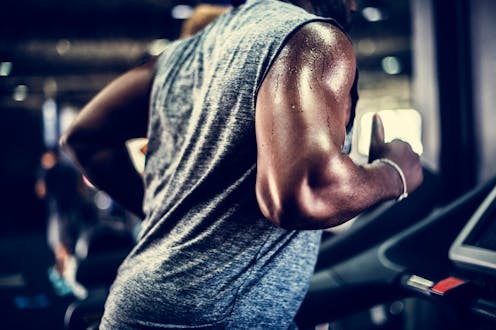
When you come home from a run or a sweaty gym session, do you immediately fling your clothes into the washing machine for a hot cycle? Or do you leave them on a chair (or the floordrobe) so you can wear them again tomorrow?
Earlier this year, the French government caused a stir with advice about how often you should wash your clothes. For sports clothes, it recommends up to three wears before you wash them.
This stems from legitimate environmental concerns – each laundry cycle consumes significant water and energy. Frequent washing can also degrade fabrics more quickly, contributing to textile waste.
But what about our health? If the thought of rewearing your stinky t-shirt or damp sports bra makes you squeamish, here’s what you need to know.
Sports clothes and sweat
In the past, exercise clothing was usually made from natural fibres (mainly cotton). Now, it’s mostly made of high-performance synthetic fabrics. These are designed to manage moisture, regulate temperature, improve breathability and control odour.
However research has shown this kind of exercise clothing, particularly synthetic fabrics, can harbour significant amounts of bacteria after just one use.
Polyester traps moisture, creating the warm, humid micro-environments bacteria prefer.
When clothing is damp, including from sweat, bacteria multiplies substantially much faster. There is a direct correlation between how much bacteria is present and how intense the smell is.
However, research shows innovations in textiles, such as the integration of silver nanoparticles in fibres, essential oil-based treatments, long-lasting antimicrobial treatments and structural fibre innovations are are making garments more durable and better at controlling bacteria.
So, is it safe to rewear gym clothes?
This depends on several factors:
Fabric type
Natural fibres such as cotton multiply fewer odour-causing bacteria than synthetics. So if you wear these fabrics to exercise in, they may last a few wears before needing a wash.
Exercise intensity and sweat level
Low-intensity activities that generate minimal or low sweat (including gentle yoga or walking), may allow for more re-wears than high-intensity workouts, as bacterial proliferation correlates directly with moisture levels in fabrics.
(In fact, the French government advice acknowledges how often you wash your sports clothes depends on how much you sweat.)
Season
Climate (temperature, humidity and airflow) significantly affects how much bacteria grows on fabrics. So it may be more reasonable to wash your clothes less in cooler months, when you sweat less.
Personal health
Some people should exercise greater caution rewearing gym clothes. For example, people with skin conditions, compromised immune systems and those prone to skin infections.
So, if you’re wearing a cotton t-shirt and shorts do something light – such as a walk in the cool morning air – you might get away with wearing them again once or twice (especially if you air them properly between use).
But synthetic performance wear, or any clothes you wear to do moderate or intense workouts, should be washed after each use (a cold wash cycle is fine). This is particularly important for garments in contact with high-bacteria areas such as underarms, groin or feet.
Tips for clothes between wears:
Turn garments inside-out (this exposes the bacteria to the air) and hang them up immediately after exercise
Ensure items are completely dry before storing
Store in well-ventilated areas, never in closed containers such as a washing hamper or bag
When possible, hang clothes in the sun – brief UV exposure provides natural antimicrobial benefits
Keep items you’ve worn away from clean clothes.
The bottom line
In the end, it’s up to personal choice – each of us has to weigh up the environmental benefits with potential health concerns and exercise habits.
But some items should always be washed after each use: sports bras and underwear, socks, anything visibly soiled or smelly, and any clothing worn during high-intensity workouts or in hot weather.
Authors: Carolina Quintero Rodriguez, Senior Lecturer and Program Manager, Bachelor of Fashion (Enterprise) program, RMIT University
Read more https://theconversation.com/how-often-should-i-wash-my-exercise-clothes-250796


















