

The next round in the US trade war has the potential to be more damaging for Australia
- Written by: Felicity Deane, Professor of Trade Law, Taxation and Climate Change, Queensland University of Technology
On April 2 the United States is set to implement a new wave of tariffs under its Fair and Reciprocal Trade Plan. Details of the plan that will impact all US trading partners are not yet known, but the US administration has suggested these tariffs will target any rules it considers “unfair”.
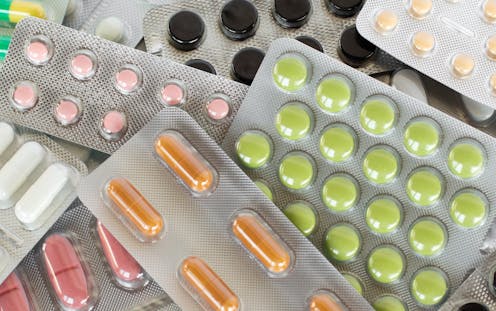
This means the April 2 tariffs may take aim at a range of Australian domestic policies, such as biosecurity rules that govern food imports, and the government’s Pharmaceutical Benefits Scheme (PBS).
The size of the hit is uncertain. One report indicates a relatively modest tariff between 2% and 8% is being considered, below the 25% rate imposed on steel and aluminium on March 12. But it will apply to a much larger set of exports.
Australia and the US have been allies for over a century. The two nations celebrated a “century of mateship” in 2018. More formally, the two countries have a current free trade agreement, Australia-United States Free Trade Agreement (AUSFTA).
The agreement was negotiated in good faith, and entered into force on January 1, 2005. It called for the elimination of tariffs between the two nations over time, and until now both parties have upheld their respective bargains. The so-called “reciprocal” tariff plan would breach that agreement.
What sectors are likely to be targeted?
The Trump reference to non-tariff barriers raises two main concerns for Australian products: meat and pharmaceuticals.
These exports to the US are worth about A$3.3 billion and $1.6 billion a year respectively. That’s about five times the total value of our steel and aluminium exports to the US.
In Australia, domestic beef products are subject to strict traceability rules. Similarly, imported beef has rigid biosecurity requirements as it is classified as a high-risk food.
This is because of the potential risk of mad cow disease (Bovine Spongiform Encephalopathy). This disease was detected in the US in 2002 and triggered an Australian ban on US beef products.
The ban was partially lifted in 2018, but some restrictions remain, which the US says are a barrier to trade. This was also raised by the Biden administration in a 2024 report on trade barriers.
The US cannot force Australia to change its laws on the basis of tariffs – but they can make products coming from Australian suppliers more expensive and therefore restrict market access to the US, which many Australian producers rely on.
A tariff on Australian-sourced beef products would also push up prices for American consumers. Trade Minister Don Farrell has warned the price of a McDonald’s burger may increase.
Medicines are also in the line of fire
Turning to pharmaceuticals, the Australian PBS has been a sticking point between US and Australian trade negotiators for the past 20 years.
The PBS, which has been in place since 1948, ensures Australians have affordable access to essential medicines. It formed part of discussions during the free-trade negotiations and has been raised as a potential barrier to trade.
The US argues innovation and unfettered market access for American drug companies should be prioritised over Australia’s reference pricing arrangements. Reference pricing means medicines with similar outcomes should have similar pricing.
The reason the US has a problem with this scheme is because some of their companies are not able to charge higher prices for medicines.
Although these are the categories of most concern, there is no assurance the “Fair and Reciprocal Plan” will be limited to beef and pharmaceuticals.
For instance, there are no barriers imposed on the import of wine into Australia. But there has been some concern tariffs could be introduced regardless.
Wine is often the target of trade wars and President Donald Trump has threatened the European Union with a 200% tariff on all wine and spirits entering the US. As Australian wine makers have only recently recovered from Chinese and Canadian tariffs, any US tariffs would deal a harsh blow to the industry.
An old clip of the former Republican President Ronald Reagan went viral this week, highlighting his quite different view:
Is there any avenue for appeal?
There is one thing that is clear about these tariffs. Their imposition will be in violation of both the WTO rules and the free-trade agreement.
Both have provisions to settle disputes and Australia does have options for filing complaints. However, the rule of law and existing norms of the international order do not appear to be persuasive to the Trump administration.
Despite this, it is important to note the US cannot force Australia to change its longstanding laws that protect consumers and ensure accessibility to medicines. This remains the choice of the Australian government.
If the tariffs are introduced in the range of 2% to 8%, there may not be a significant direct economic impact. But they will have other consequences. Trade negotiations, and international agreements, are largely based on goodwill. These acts of the US will erode much of what has been built up over the past century.
The downturn we are seeing in financial markets has so far been dismissed by the Trump administration as necessary. But if the correction turns into a crash, it may give President Trump pause. Given his lack of interest in negotiating, this may be the only thing that could change his mind.
Authors: Felicity Deane, Professor of Trade Law, Taxation and Climate Change, Queensland University of Technology


















