

Travelling overseas? You could be at risk of measles. Here’s how to ensure you’re protected
- Written by: Archana Koirala, Paediatrician and Infectious Diseases Specialist; Clinical Researcher, University of Sydney
On March 26 NSW Health issued an alert advising people to be vigilant for signs of measles after an infectious person visited Sydney Airport and two locations in western New South Wales.
The person recently returned from Southeast Asia where there are active measles outbreaks in several countries including Vietnam, Thailand and Indonesia.
The NSW alert follows a string of similar alerts issued around Australia in recent days and weeks.
If you’re travelling overseas soon, you could be at risk of measles. Here’s what to know to ensure you’re protected.
First, what is measles?
Measles is one of the most contagious viral illnesses. It spreads through the air when a person breathes, coughs or sneezes. On average, one person can infect 12 to 18 others who are not immune.
Initial symptoms include fever, a runny nose, cough and conjunctivitis. Then a non-itchy rash usually starts around the hairline before spreading around the body.
Measles is most common in children, and they’re also most vulnerable to getting very sick with the virus. Measles is severe in around one in ten children. Complications can include ear infection, diarrhoea and pneumonia, and, more rarely, encephalitis (brain swelling).
However, adults can also catch and spread the disease, making up 10–20% of measles cases during outbreaks.
Vaccination has saved millions of lives
The first measles vaccine was licensed for public use in 1963, and it changed the trajectory of this disease. In the 21st century alone, measles vaccination is thought to have saved more than 60 million lives globally.
The measles vaccine is free through Australia’s National Immunisation Program. It’s routinely given at 12 and 18 months of age. The first dose is combined with mumps and rubella (the MMR vaccine) and the second adds protection against chickenpox, or varicella (MMRV).
False suggestions the measles vaccination is linked with disorders such as autism have been thoroughly disproven. The vaccine is very safe and highly effective.
However, because the vaccine is made from a live virus, people with weakened immune systems (for example, those receiving chemotherapy for cancer or pregnant women) cannot have the vaccine even though they’re at higher risk of severe measles. Their safety depends on high community immunisation rates to reduce the spread of the virus.
Because measles is so infectious, at least 95% of the population needs to be immune to prevent its spread.
Immunity occurs from either two doses of measles vaccine or past infection. Measles vaccination was introduced in Australia in 1968. Most adults born before the mid-1960s would still be immune from a past infection. But vaccination is recommended for everyone else who is not immune.
Immunity gaps are opening up
Gaps in immunity to measles have opened up around the world due to challenges in delivering routine immunisations during the COVID pandemic, and, in some cases, reduced acceptance of vaccination.
In 2023 only 83% of the world’s children received at least one dose of measles vaccine by their first birthday, down from 86% in 2019. This is not enough to halt spread.
The withdrawal of US government funding from many global health programs, including a measles surveillance network that supports testing and outbreak responses, is throwing fuel on the fire.
In Australia, small but progressive declines in the uptake of childhood vaccines over the past five years and immunity gaps in other age groups means our risk of outbreaks in increasing.
For example, coverage of the MMR vaccine at 24 months declined 0.4 percentage points between 2022 and 2023 (from 95.3% to 94.9% in Indigenous children and 95.1% to 94.7% in children overall).
On-time vaccination rates – within 30 days of the recommended age – are also falling. The proportion of children who had their MMR vaccine on time dropped from 75.3% to 67.2% for non-Indigenous children and 64.7% to 56% for Indigenous children between 2020 and 2023.
Measles outbreaks are increasing in Australia and across the world
Measles cases are rapidly rising across the globe and more cases are arriving from overseas into Australia. So far in 2025, 37 cases have been reported compared to 57 in all of 2024, 26 in 2023 and seven in 2022. Most cases have been imported from overseas, but we’ve ascertained eight cases so far in 2025 were locally acquired.
Many of the countries experiencing the largest measles outbreaks are popular travel destinations for Australians, including India, Thailand, Indonesia and Vietnam.
But few countries are free of measles. The United States, Canada, the United Kingdom and various countries in Europe are all tackling outbreaks.
As the incubation period – the gap between exposure and symptoms – is around seven to ten days, travellers may enter the country without knowing they’re about to become ill and potentially spread the virus to others.
Protecting yourself and your family
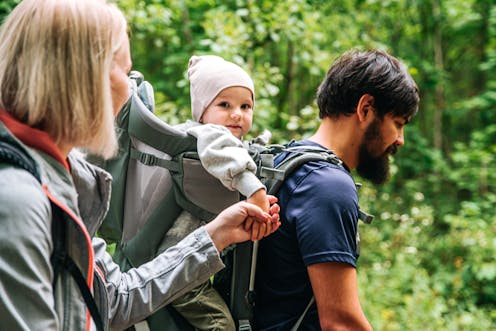
Although the usual age for the first measles dose is 12 months, the MMR vaccine can be given to babies as young as six months who are travelling to measles hotspots or during outbreaks.
This early measles vaccine dose does not replace those given at 12 and 18 months, but will help protect the infant in the interim.
It’s important all adults, particularly those planning overseas travel, know their vaccination or infection history. If you don’t, talk to your health-care provider about being vaccinated.
Everyone who doesn’t have immunity from an infection should have two lifetime doses. Some adults, including those who have migrated from overseas, may have had none or only one dose when they were younger. If you’re unsure, there’s no harm in receiving a vaccine if you’ve had measles or have been fully vaccinated already.
If you come back from overseas and need medical care, inform your health-care provider about your symptoms and recent travel before attending a clinic in person.
Authors: Archana Koirala, Paediatrician and Infectious Diseases Specialist; Clinical Researcher, University of Sydney


















