

Google AI


Modern Australian

More than 40 years on, the NSW Aboriginal Land Rights Act speaks to an enduring desire for a strong future

  • Written by: Lawrence Bamblett, Senior Lecturer, Australian Centre for Indigenous History, Australian National University
More than 40 years on, the NSW Aboriginal Land Rights Act speaks to an enduring desire for a strong future

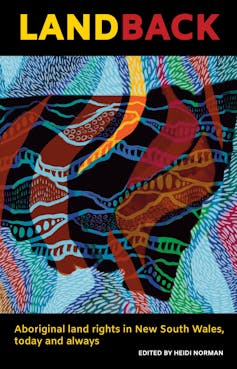
Land Back, a collection of essays edited by Gomeroi professor Heidi Norman, marks over 40 years of the Aboriginal Land Rights Act 1983, New South Wales.

The act had a pervasive effect on daily living for Kooris in New South Wales. It established local Aboriginal land councils, setting out their constitutions, membership rules and functions. It established the rules relating to the authority, functions and powers of local land councils and their staff and leadership.

Land Back: Aboriginal Land Rights in New South Wales, Today and Always – edited by Heidi Norman (UNSW Press)

At Erambie Mission near Cowra, the act guided the community in creating and operating small businesses, a community housing company, and cultural organisations.

The Land Rights Act was created at a time when my community at Erambie was buzzing with ideas and disagreements about what to do in the economic and cultural fields. The community won some land back and people were politicking, managing, budgeting, employing, planning and making important decisions about the future.

This is why most families there kept a printed copy of the act. Some people even memorised every section of it. They recalled its statutes during internal community politics and when dealing with mainstream agencies.

It was impressive how some community members would quote from memory relevant sections of the act. The way they spoke about it, the act seemed to come to life in people’s minds as the arbiter of fairness. They would say “the act says” what you can or can’t do.

Even as a mostly disinterested teenager, I was aware of the act and its involvement in our daily lives. My parents kept two bound copies of the act in our lounge room. They studied and discussed it with people from the community. I have vivid memories of the meetings my parents hosted in our lounge room to talk about land rights generally and specific parts of the legislation.

Every day they talked about what a free and fair life was supposed to be like under the act.

Land Back is a book that speaks to future generations. Image: land rights march, Sydney, August 9, 2018. Danny Casey/AAP

This collection tells people so much about life in a range of NSW Koori communities. One of the impressive things about the book is how well it shows the reach of the act and the impact land rights had on people’s lives.

Lawyers, academics, activists and organisers, NSW Aboriginal Land Council Youth Committee members and students were invited to reflect on four decades of operation of the act and to nominate opportunities created by land rights.

Their accounts are organised around four themes: how laws function, what people did to make the act work, the things that are still left to do, and future directions for land rights and the act.

The book adds new knowledge about land rights by documenting the experiences of Kooris in the south-eastern part of the continent. People from dozens of Koori communities have shared more than 42 years of the successes, failures and possibilities for land rights in NSW.

The successes were built on the back of a rights movement which, as Ed Wensing notes in his chapter, used decades of protests and street marches to have the Aborigines Protection Act (1909) repealed and the Aborigines Welfare Board disbanded.

There were significant changes after the colonial welfare system was dismantled. The Land Rights Act included an imperative to support Indigenous economic development, along with the right to apply to have “claimable crown lands” returned to clans and used for economic benefit. A land purchase fund complimented access to crown lands.

A contribution from the late Peter Thompson, an environmentalist and land rights activist, argues that one of the failures of the act is that much more land should have been returned. According to Thompson,

The Act could easily have returned over one million hectares if funds had been spent on the core purpose of the Act […] Sadly, and shamefully, we might have to admit that the Aborigines’ Protection Board (APB) made the greatest contribution to land rights in NSW. Most of the parcels of land that Aboriginal people are enjoying in NSW today were set aside by the racist, paternalistic APB (as reserves and managed stations).

Still, communities took back the right to manage and protect their own cultural heritage in ways they saw fit. At Erambie, the returned land was used to raise cattle, grow and sell crops, and build infrastructure for creating employment.

Across the state, communities found “innovative approaches” to land management “to generate collective benefit”. Some used their land for adventure tourism, hospitality, cafés, clothing and eco-stores, catering and recycling companies. Others are exploring the potential to benefit from using their land for renewable energy production. The Land Rights Act was a step toward self-determination. We have progressed to the point that Ash Walker, CEO of the Gujaga Foundation, asks in his chapter whether the act will evolve to facilitate treaty negotiations in New South Wales. A broad picture of the things that matter to Kooris emerges – one that might have a positive influence as new partnerships are forged. What matters more, however, is to look inward: we need to tell future generations of our own young people what we want. As New South Wales Aboriginal Land Council Chair Ray Kelly says in his foreword, the types of conversations found in Land Back are vital to ensuring we remain true and committed to the legacy of our old people and their determination to secure land rights, and to the generations in front of us, to build the best chances for them to thrive as First Peoples. Kelly is describing the resurgence of Koori identities as the preferred future. Resurgence, commitment to country and ancestors, are also themes in NSW Aboriginal Land Council’s Youth Advisory Committee member Elijah Ingram’s contribution to the book. His essay shows what land back can mean to his generation in his description of a strong, culturally connected future. Ingram writes optimistically “about the future and what land rights can deliver”. He hopes “land rights will be almost a thing of the past by the time we’re old […] it will be the norm […] it will become just how it is”. The stories in this book echo the old call-and-response chant from the early days of the land rights movement: “What do we want?” They speak to an enduring desire for a strong future as First Nations people. Authors: Lawrence Bamblett, Senior Lecturer, Australian Centre for Indigenous History, Australian National University

Read more https://theconversation.com/more-than-40-years-on-the-nsw-aboriginal-land-rights-act-speaks-to-an-enduring-desire-for-a-strong-future-247557

Pool and Deck Design: How to Plan the Perfect Outdoor Living Space for Your Sydney Home

For many Australians, the backyard is where life happens. Summer barbecues, weekend swims and long evenings outdoors are all part of the lifestyle, ...

Is Solar Pool Heating Worth It? What Sydney Homeowners Should Know

There's nothing quite like a backyard pool on a hot Sydney day. But once autumn rolls in, many pools sit unused for months because the water is simp...

Planning a Luxury House Move: A Week-by-Week Timeline for Prestige Sydney Homes

Selling or buying a prestige home is a major milestone. Whether it's a waterfront residence in Birchgrove, a grand Federation home in Haberfield or ...

Downsizing or Upgrading Your Caravan? Here's How to Sell It Without the Hassle

Selling a caravan can feel like a major task, especially when you are unsure about its value, paperwork, or how to find a buyer. Whether you are dow...

The Best Overseas Adventure Holidays for Australians Who Love the Outdoors

Australia offers no shortage of incredible outdoor experiences, but sometimes the best way to satisfy your sense of adventure is to head overseas. A...

Cape Town Wine Shuttle: Winelands Tasting & Tours

Embark on an unforgettable journey through the picturesque Cape Winelands, where world-class wines and breathtaking scenery await. Our Cape Town Win...

Metal Fabrication: Choosing Metal Fabrication Melbourne Services for Custom Projects

What Modern Metal Fabrication Involves From individual components to complete structures, metal fabrication brings together processes such as desig...

Why Giant Rats Tail Grass Keeps Coming Back After Spraying

Giant Rats Tail Grass (GRT) is one of the most frustrating pasture weeds for farmers and lifestyle property owners. You spray an infested area, see th...

When Custom Cardboard Boxes Make Sense for Your Business

Custom cardboard boxes can be useful when a standard carton does not fit a product, packing method or presentation requirement particularly well. A ...

Full-Height vs. Pop-Top Caravan: Which Is Better for Family Travel across WA?

A pop-top caravan is an excellent choice for travellers who want the comfort of a caravan without committing to a larger, bulkier setup. With a lowe...

Bottle Label Printing: Key Factors for a Professional Finish

Why the Printing Method Matters When businesses need packaging or printed containers developed for a particular application, the right supplier can m...

Virtual Livestock Fencing and GPS Tracking: Improving Visibility Across Cattle Properties

What Virtual Livestock Fencing Means for Modern Cattle Management Managing cattle across extensive properties requires more than knowing where anim...

Sydney Pawnbrokers Explained: How Hocking Your Car Actually Works

Sometimes you need cash, and you need it soon. If you own a car, you may already have a way to get it. That's what people mean when they say they've...

Moving Interstate from the Gold Coast to Brisbane (or Back)? What Removalists Wish You Knew First

Have you talked to anyone who’s done the move? They say the same thing: the drive up the M1 is the easy part. It's everything around it that catches...

Why the Spring School Holidays Are a Great Time to Visit Coffs Harbour

The spring school holidays are a good time to spend a few days on the Coffs Coast. The weather is starting to warm up, there is plenty to do outdoor...

What to Do When an Older Car Is No Longer Worth Keeping in Melbourne

Ever looked at another repair quote and wondered whether your old car is still worth the trouble? It is a common turning point for Melbourne motoris...

Your Baby's First Year: A Local Guide to Feeding, Sleep, and When to Get Extra Support

Ask ten parents in a Brisbane mothers' group how their baby is feeding or sleeping, and expect ten different answers.  Someone's baby sleeps throug...

Kitchen and Laundry Makeover Ideas That Don't Require a Full Renovation

Full kitchen renos are expensive — and most people don't actually need one.  They need the kitchen to stop looking like it's stuck in 2009, or they...

















