

Can what you eat during pregnancy and breastfeeding affect whether your child develops food allergies?
- Written by: Jennifer Koplin, Evidence and Translation Lead, National Allergy Centre of Excellence; Chief Investigator, Centre of Food Allergy Research; Associate Professor and Group Leader, Childhood Allergy & Epidemiology Group, Child Health Research Centre, The
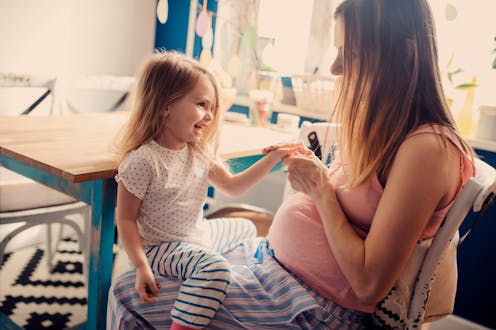
Many questions pop up when you’re growing or raising a new baby.
Among them, women often wonder if what they eat during pregnancy or breastfeeding will affect whether or not their child will have a food allergy.
Researchers have also been trying to answer this question for many years.
A baby’s exposure to food allergens during pregnancy and via breast milk is thought to be important. Experts believe it could allow the child to start developing helpful immune responses so they tolerate food allergens in their diet in future.
But to what degree this theory plays out, and whether a mother’s diet influences their child’s likelihood of developing food allergies, isn’t yet clear. Here’s what we know so far.
The science of food allergies
A food allergy occurs when the body’s immune system responds to a particular food as if it was harmful to the body.
In Australia, foods which commonly cause allergies include egg, cow’s milk, peanut, tree nuts, sesame, soy, wheat, fish and other seafood (this can vary a little in different countries). Although almost any food can cause an allergic reaction.
For people with food allergies, symptoms can appear within minutes of eating the food. These symptoms can include a swollen face, lips or eyes, hives or welts on the skin, vomiting, trouble breathing, and persistent dizziness or collapse.
In pregnancy, food allergens can cross the placenta and can be detected in amniotic fluid, from which they reach the baby’s gastrointestinal tract when the baby swallows.
After birth this process continues when food allergens pass from breast milk to the baby’s gastrointestinal tract. Both of these pathways lead to early life exposure to different foods.
This is thought to help the baby’s developing immune system to accept food allergens when they’re introduced once the child starts eating solids. In other words, the immune system may be more likely to see the food as harmless and not mount an allergic response against the food.
Along with food allergens, babies also receive beneficial antibodies in breast milk. Levels of food allergen-specific antibodies, which could offer protection against allergies, have been found to be higher in babies whose mothers ate more of foods including egg, peanut, cow’s milk and wheat during early breastfeeding.
Lower levels of these beneficial antibodies in the blood have been linked with higher chances of babies developing food allergies.
Research is trying to answer the question
While there are scientific explanations for how a woman’s diet during pregnancy and breastfeeding could influence her child’s likelihood of developing a food allergy, we don’t have conclusive evidence to tell us exactly what the best diet is to prevent allergies.
Some studies have tried to look at this, but results have been inconsistent because they have been done in different populations, diet has been assessed in different ways, and they have not always been able to account for other factors that might influence both diet and food allergy risk.
Current research is trying to understand this further. A large Australian study, the PrEggNut Study, is testing whether the amount of egg and peanut mothers eat during pregnancy and breastfeeding affects their child’s risk of having an egg or peanut allergy.
More than 2,100 mothers were randomly assigned to eat either higher or lower amounts of egg and peanut from mid-pregnancy until their baby was four months old. Results are expected next year.
Another Australian study, the Nuts For Babies Study, is testing whether the amount of peanuts and cashew nuts mothers eat during breastfeeding can reduce the chances of their child developing a peanut or cashew nut allergy.
This study has recently commenced and is looking for 4,000 pregnant women living in Western Australia or Victoria and who are planning to breastfeed their baby to participate.
So what’s the advice for now?
There are many other things, such as genetic and environmental factors, that may also play a role in the development of a baby’s immune system, including how their immune cells respond to food allergens. And we still have a lot to learn about what causes allergies more broadly.
While we wait for the results of the above studies, the current advice is for mothers not to avoid any common allergy-causing foods during pregnancy and breastfeeding (unless of course they’re allergic themselves).
The science so far suggests that if anything, exposing the baby to allergens could reduce their risk of developing allergies, rather than increase it.
Once the baby is ready to eat solid foods, we know introducing peanuts and eggs from around six months of age makes it less likely the child will develop an allergy to these foods.
Introducing other common allergy-causing foods in the first year of life may also be helpful, although the evidence for this is not as strong compared with peanuts and eggs.
Once these foods have been introduced, continuing to include them in your baby’s meals regularly, at least once a week, might also make it less likely they develop an allergy to these foods.
Authors: Jennifer Koplin, Evidence and Translation Lead, National Allergy Centre of Excellence; Chief Investigator, Centre of Food Allergy Research; Associate Professor and Group Leader, Childhood Allergy & Epidemiology Group, Child Health Research Centre, The University of Queensland

















